
Why Do Dogs Eat So Fast? The Surprising Truth About Your Pet’s Behavior
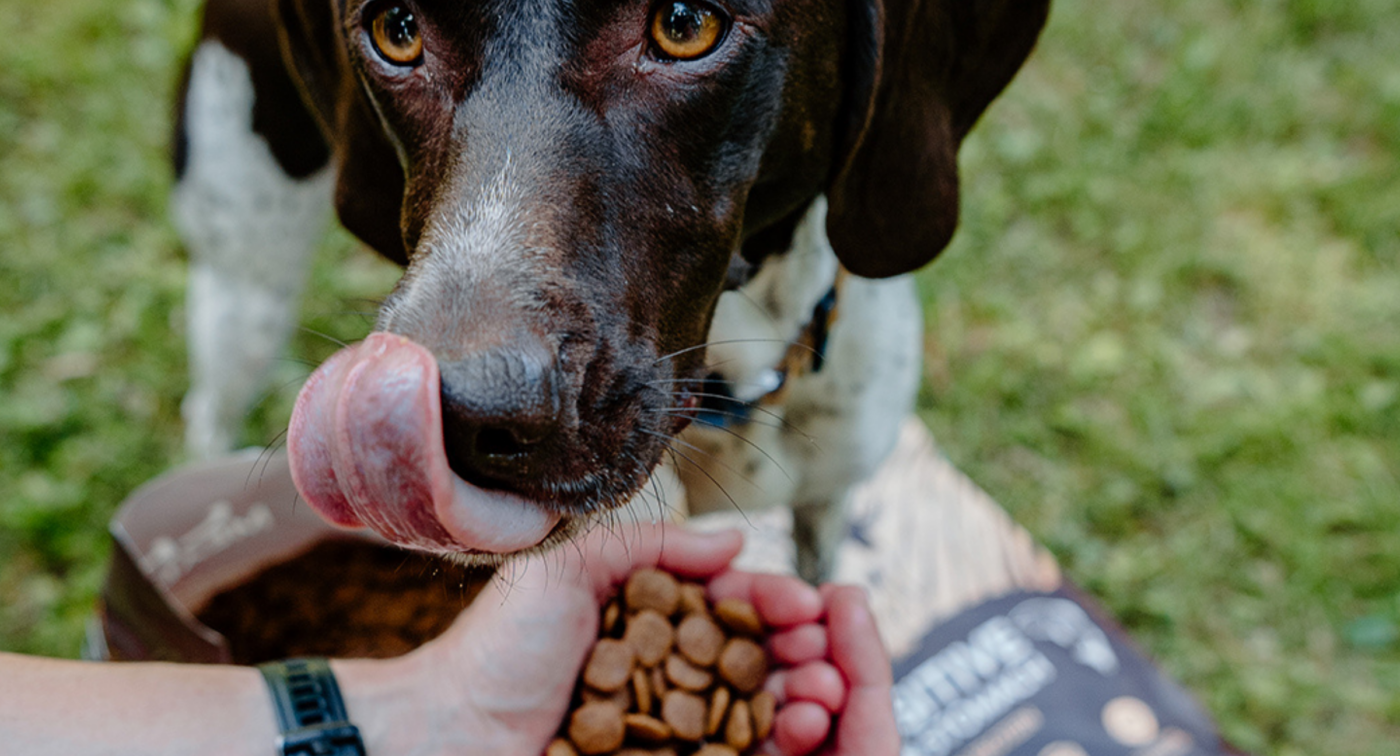
Does your dog finish their bowl before you’ve even set it down? You’re not alone — and there’s a real reason behind it. Dogs have only about 1,700 taste buds compared to our 9,000. That means they’re wired less for savoring a meal and more for getting it down fast.
But this isn’t just a quirky habit. Dogs eating too fast can lead to some serious health concerns — choking, vomiting, and canine bloat are all on the table. For large and deep-chested breeds, it goes even further. Fast eating puts them at real risk for GDV, a life-threatening emergency that needs immediate care.
Puppies, adult dogs — it doesn’t matter. If your dog inhales meals in seconds, it’s worth paying attention to.
The good news? There are simple, proven ways to help. We’ll walk you through what causes fast eating and share practical solutions to make mealtime safer and calmer for your pup.
Why Do Dogs Eat So Fast? Understanding the Root Causes
“fast eaters have roughly five times the bloat risk of dogs that eat slowly, making eating speed one of the most significant behavioral risk factors identified so far.” — American Kennel Club, Recognized authority on canine health
Dogs Have Fewer Taste Buds Than Humans
We touched on taste buds earlier — and it really does start there. Dogs have around 1,700 taste buds compared to our 9,000, making their sense of taste about one-sixth as powerful as ours. Flavor just isn’t the point for them. Filling up is.
What they lack in taste, they more than make up for in smell. Dogs have an estimated 125 million sensory glands in their nose, compared to a human’s 5 to 10 million — that’s roughly 30 times more smell receptors than we have. So while your dog may not taste much, they smell everything. Mealtime is all about instinct, not enjoyment.
Competition for Food Among Pets
This one goes way back. Wolves in the wild have been observed eating as much as 10 kg of meat in a single feeding after a kill. That eat-fast-or-lose-out instinct didn’t disappear when dogs became our companions. In homes with multiple pets, one dog may still see the other as competition at the food bowl.
It often starts young, too. Puppies compete with their littermates for their mother’s milk, and that early pattern can stick well into adulthood. Even when there’s no real competition anymore, the habit remains.
Past Food Insecurity and Irregular Feeding
For rescue dogs and shelter dogs, fast eating is often a survival habit built from real hunger. Weeks or months of not knowing when the next meal would come can leave a lasting mark — even in a safe, loving home.
Irregular feeding schedules can have a similar effect. Dogs fed at unpredictable times or just once a day may eat fast because they’re genuinely hungry — or simply unsure when food will show up again. Consistency at mealtime goes a long way.
Breed-Specific Eating Behaviors
Some dogs are just built this way. Labradors, for example, carry a variant of the POMC gene that dulls their fullness signals — meaning they can eat and eat without ever feeling truly satisfied. Beagles, Golden Retrievers, and other sporting breeds share similar food-focused tendencies, shaped by generations of high-energy working life.
Poor Nutrition or Inadequate Diet
Sometimes fast eating is the body’s way of asking for more. Parasites can steal nutrition from your dog’s meals, leaving them perpetually hungry no matter how much they eat. Thyroid conditions and hormonal changes can disrupt fullness signals and ramp up appetite. And if the food itself isn’t meeting your dog’s nutritional needs, their body will keep pushing them to eat more.
Health Risks of Dogs Eating Too Fast
“I strongly recommend that all giant breeds and other at risk breeds have a preventive gastropexy performed.” — Timothy Robinson, DVM, DACVS, Board-certified specialist in veterinary surgery
Fast eating is more than a messy habit. It can put your dog’s health — and life — at real risk.
Bloating and Gas Buildup
Every time your dog gulps food, they also swallow a lot of air. This causes gas to build up in the stomach, a condition called aerophagia. The stomach swells with both food and air, leading to discomfort, burping, and flatulence. Your dog may show signs of abdominal pain as everything expands inside. It’s uncomfortable at best — and dangerous at worst.
Gastric Dilatation-Volvulus (GDV) in Large Breeds
GDV is the most serious risk that comes with eating too fast. The stomach fills with gas, food, or fluid, becomes distended, and twists on itself. That twist traps everything inside and cuts off blood flow to the stomach and surrounding organs. GDV proves fatal within hours without immediate veterinary care.
Large, deep-chested breeds are most at risk — Great Danes, German Shepherds, Saint Bernards, Weimaraners, Irish Setters, Standard Poodles, Basset Hounds, and Doberman Pinschers. Dogs over 100 pounds carry roughly a 20% lifetime risk of bloat. Even with treatment, mortality rates range from 10–45% in relatively uncomplicated cases. Surgery combined with medical care brings survival rates above 80% — but prevention is always the better path.
Vomiting and Regurgitation
Dogs that inhale their meals often vomit or regurgitate shortly after. Vomiting involves active expulsion. Regurgitation is passive — undigested food simply comes back up from the esophagus. When this happens repeatedly, food can enter the lungs and cause aspiration pneumonia. That’s a serious condition. It can be fatal.
Choking Hazards
Food that isn’t chewed properly can get stuck in the throat. Large kibble pieces are especially risky when swallowed whole. You may hear that familiar “ack ack” sound, or notice your dog gagging or coughing mid-meal. It’s a clear sign something needs to change at mealtime.
Simple Ways to Slow Down Your Dog at Mealtime
Good news — slowing your dog down doesn’t have to be complicated. These tried-and-true solutions work, and most are easy to start today.
Slow Feeder Bowls and Puzzle Feeders
Slow feeder bowls have ridges and mazes built right in, so your dog can’t just scoop up a mouthful and move on. Puzzle feeders take it a step further — they can slow eating by up to 10 times. What used to take 30 seconds now becomes a 5 to 10 minute activity. Your dog works through the obstacles, eats at a natural pace, and gets a little mental workout along the way. Win-win.
Hand Feeding and Portion Control
Want full control over how fast your dog eats? Try hand feeding. Offer a small amount, wait for your dog to chew and swallow, then offer a little more. It takes a few extra minutes, but it also builds trust and teaches calm behavior around food. A great habit to start early with puppies.
Snuffle Mats and Lick Mats
Snuffle mats tuck kibble into fabric strips, tapping into your dog’s natural love of sniffing and foraging. Lick mats do the same with wet food spread across a textured surface. Both slow things right down — and keep your pup happily busy while they eat.
A Calm Feeding Spot Makes a Difference
Frantic eating often comes with a frantic environment. A quiet, low-distraction space helps your dog feel settled at mealtime. Ask for a sit before you set the bowl down. It’s a small step that sets a calmer tone.
Split Meals Into Smaller Portions
Rather than one big meal, try splitting daily food into two or three smaller servings. Less food at once means less urgency to eat it all quickly. It’s also easier on digestion and helps keep energy steady throughout the day.
A Muffin Tin Works Too
No slow feeder on hand? Grab a muffin tin. Divide your dog’s kibble across the compartments and let them work from section to section. It’s a simple, budget-friendly trick that genuinely slows things down.
When to Talk to Your Vet About Fast Eating
Home solutions go a long way. But sometimes, fast eating is a sign of something more going on inside your dog’s body. Knowing when to call your vet can make all the difference.
Signs Your Dog May Have Underlying Health Issues
Eating faster than usual — especially if it’s a sudden change — is worth a conversation with your veterinarian. Increased appetite accompanied by weight loss can point to metabolic conditions like diabetes or hyperthyroidism, particularly in older dogs. And if your pup is drinking a lot more water alongside these eating changes, don’t wait — get them checked out right away.
Parasites and Nutritional Deficiencies
Parasites are sneaky. They steal nutrition right from your dog’s gut, leaving them constantly hungry no matter how much they eat. This malabsorption can lead to vitamin and mineral deficiencies that keep your dog in a never-ending hunger cycle. Hormonal imbalances or thyroid conditions can do the same — quietly increasing appetite and pushing your dog to eat faster and faster.
Behavioral Changes That Require Attention
Fast eating isn’t always the only clue. Watch for your dog pulling away from family time, hiding more than usual, or snapping when touched in certain spots. Unusual whining or shifts in mood can also signal that something isn’t right. If these changes stick around for more than a couple of days, it’s time to get a professional opinion.
Your dog counts on you to notice. Trust your gut — if something feels off, a quick vet visit is always worth it.
A Happier, Healthier Mealtime Starts Here
Fast eating might feel like just one of those “dog things” — but it’s worth taking seriously. The good news? Small changes go a long way.
Start simple. Try a slow feeder bowl, break meals into smaller portions, or hand feed for a few days. Create a calm, quiet spot for mealtimes and stick to a consistent schedule. These little steps can make a real difference for your pup.
And if something still feels off — eating habits getting worse, new behavioral changes, or unexplained weight loss — don’t wait. Your vet is your best resource for ruling out anything deeper.
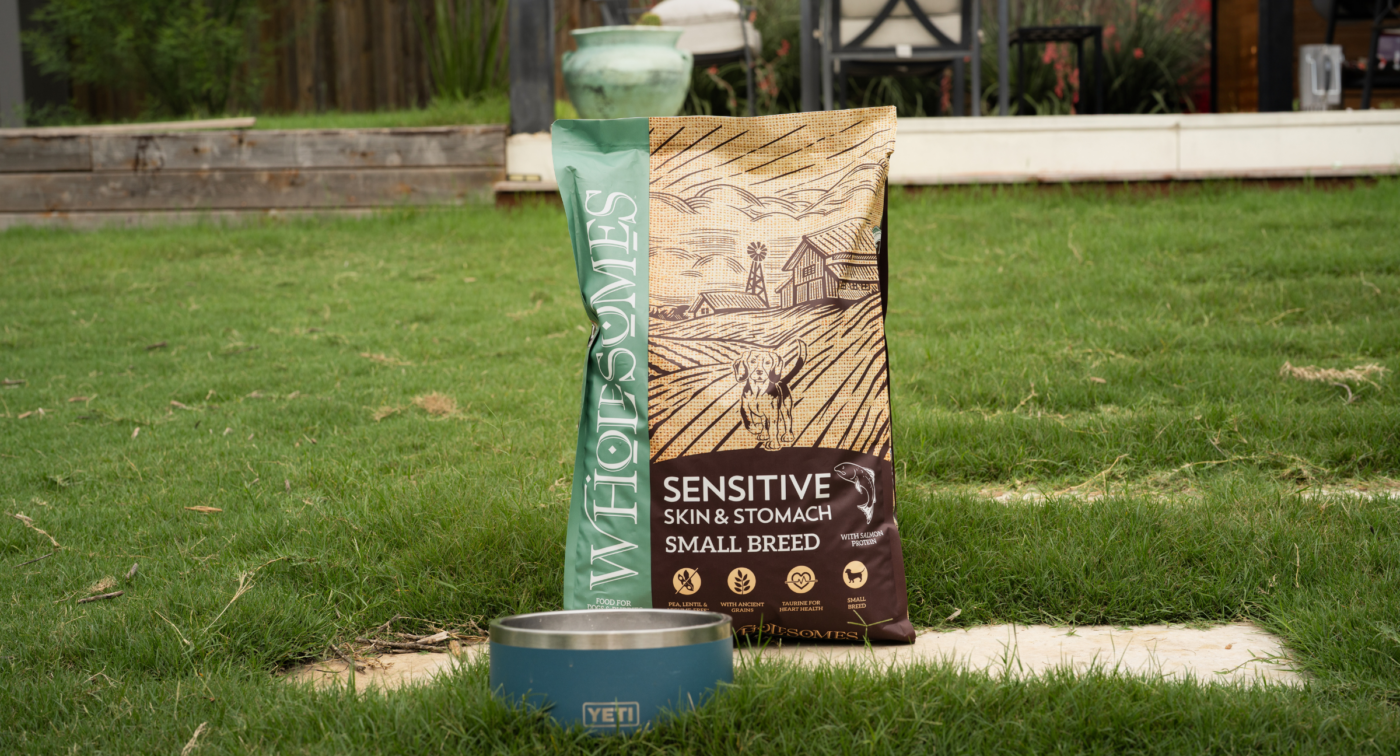
Your dog deserves meals that are just as wholesome as what’s in their bowl. Here’s to slower, happier mealtimes — from our family to yours.