
Is Rice Good for Dogs?

If you’re a dog parent, chances are you’ve wondered whether rice belongs in your pup’s bowl. Whether it’s mixed with a bit of boiled chicken during a tummy upset or featured in commercial dog foods, rice shows up a lot in canine diets. But is rice really good for dogs, and how do you choose the right kind?
In this article, we’ll explore the reasons rice is commonly used in dog food, the differences between rice varieties, and the benefits and risks of feeding rice to your dog. You’ll also learn how to prepare rice properly and when it might be better to skip it altogether.
Why Rice Is a Common Ingredient in Dog Diets
Rice is one of the most widely used ingredients in both homemade and commercial dog foods. It’s inexpensive, easy to prepare, and available in many varieties. More importantly, rice is an easily digestible carbohydrate that can help provide energy without irritating a dog’s stomach.
Many dog food brands include rice as a filler or base ingredient because it’s gentle on the digestive system and compatible with protein sources like turkey breast or chicken. This makes it especially helpful when feeding dogs with sensitive stomachs or transitioning them to a bland diet.
Which Types of Rice Are Best for Dogs?
There are several types of rice available, and not all are created equal when it comes to a dog’s diet. Understanding the differences can help pup parents make the best choice for their pet’s health.
Comparing White Rice and Brown Rice
White rice is often used in bland diets for dogs dealing with digestive issues. It’s low in fiber and easy on the stomach, which is why many vets recommend it after vomiting or unusual bowel movements. However, white rice has a higher glycemic index, which can spike blood sugar more than other rice types.
Brown rice retains more nutrients because it’s less processed. It’s richer in fiber, antioxidants, and B vitamins, making it a more nutritious option. However, it can be harder to digest for some dogs. If your dog has a sensitive stomach, white rice may be safer, while brown rice is better for long-term nutrition.

Other Types of Rice to Consider
Besides the common white and brown varieties, other rice types can also be good for dogs in moderation. Basmati rice and jasmine rice are aromatic long-grain rices that are generally safe for dogs when cooked properly. They offer similar benefits to white rice and are easily digestible carbohydrates.
Wild rice is another nutritious option, high in fiber and antioxidants, but it may not be as well tolerated by all dogs. It’s also more expensive and less commonly used in commercial dog foods. Avoid fried rice or rice cooked with spices, garlic, or onions, as these can harm your dog’s health.
Health Benefits and Risks of Feeding Dogs Rice
Rice can be a helpful addition to your pet’s diet, but like any food, it comes with both pros and cons. Knowing these can help you decide how often and in what quantities to feed your dog rice.
Benefits of Adding Rice to Your Dog’s Diet
Feeding dogs rice provides a simple source of energy and helps support digestion. Cooked rice is especially useful for dogs with gastrointestinal issues or those recovering from illness. It’s often paired with lean protein sources like boiled chicken or turkey breast to form a balanced, bland meal.
Brown rice contains more fiber and nutrients than white rice, including magnesium and selenium. It supports digestive health and may help with weight management when fed in the right amounts. Plus, rice is a natural fit in many other dog food recipes, providing bulk and satiety without unnecessary additives.
Potential Risks to Be Aware Of
Despite its benefits, letting dogs eat rice too often or in large quantities can cause issues. White rice can raise blood sugar levels quickly, which may be concerning for diabetic dogs. It’s also not as nutrient-dense, so overreliance may lead to nutritional deficiencies over time.
Uncooked rice should never be fed to dogs – it’s hard to digest and can cause digestive upset or bloating. Too much rice in your pet’s diet can also lead to weight gain or displace other important nutrients. Always feed rice in moderation and observe your dog for any signs of gastrointestinal issues.

How to Prepare and Feed Rice Safely
Feeding dogs rice safely comes down to proper preparation and portion control. The type of rice you use, how you cook it, and what you pair it with all play a role in how well your dog tolerates it.
Cooking and Portioning Guidelines
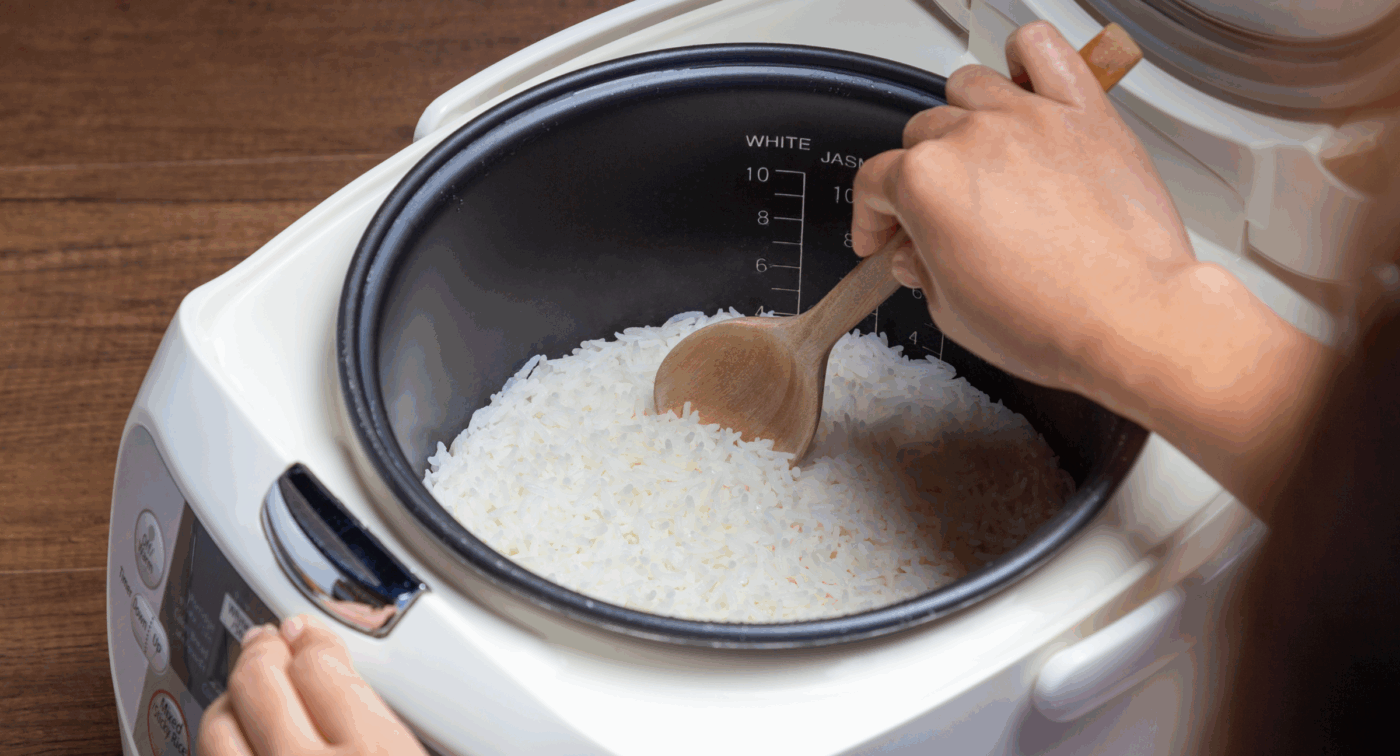
Always use plain, cooked rice with no spices, butter, or oils. Boiled rice is ideal, and you can prepare it using a 2:1 water-to-rice ratio until it’s soft and fully cooked. As mentioned earlier, it’s also important to avoid using fried rice or rice cooked in broths that contain salt or seasoning.
Portion sizes depend on your dog’s size and dietary needs. A small dog might only need a tablespoon or two, while a large dog can have up to half a cup. Rice should never make up more than 10-15% of a dog’s total daily food intake to maintain a balanced diet.
Dog Food Recipes With Rice
Adding rice to your dog’s diet doesn’t have to mean cooking separate meals or managing tricky portions. Choosing a high-quality commercial dog food that includes rice gives you all the benefits – like digestive support, energy, and easy digestibility – without the hassle.
These formulas are balanced, complete, and convenient for everyday feeding, especially for dogs with sensitive stomachs or those needing a bland diet.
At Wholesomes, our grain-inclusive recipes are built around these benefits. Our Chicken Meal & Rice formula features brown rice and rice bran for gentle digestion and steady energy, plus added omegas for skin and coat health.
For dogs with sensitivities, our Sensitive Skin & Stomach with Lamb Protein uses lamb meal with brown rice and ancient grains, free from peas, lentils, and legumes. And for large breeds, our Large Breed Chicken Meal & Rice Recipe includes joint-support nutrients like glucosamine alongside whole grains to meet the needs of bigger dogs.
With Wholesomes, you get the simplicity of rice-based nutrition without sacrificing quality – just clean, complete meals that work for your dog and your routine.
When to Feed or Avoid Rice
Rice can be a helpful part of your dog’s meal plan in certain situations. It’s commonly recommended for dogs recovering from surgery, illness, or an upset stomach. It’s also useful as a short-term solution when transitioning to new foods.
However, rice is not ideal for every dog. If your dog is overweight, diabetic, or has food sensitivities, you may want to limit or avoid rice altogether. Always monitor your dog after introducing new foods and consult your vet if you notice changes in stool, appetite, or behavior.
Key Takeaways
- Rice is safe in moderation. Plain, cooked rice can be good for dogs, especially those with sensitive stomachs or recovering from illness.
- Choose the right type. White rice is gentle on digestion, while brown rice retains more nutrients. Avoid uncooked or fried rice.
- Moderation is key. Too much rice can lead to weight gain, blood sugar spikes, or nutritional imbalances.
- Balance with protein. Combine rice with lean protein like chicken or turkey for a complete and balanced meal.
- Watch for reactions. If your dog experiences digestive upset, unusual bowel movements, or lethargy after eating rice, consult your vet.
Is Rice a Healthy Long-Term Option for Your Dog?
Feeding rice to your dog can be beneficial when done properly and in moderation. It offers energy, supports digestion, and pairs well with other wholesome ingredients. Choosing the right type and portion size plays a key role in whether rice is good for your dog long-term.
As with any part of your pet’s diet, balance is essential. If you’re unsure how rice fits into your dog’s specific nutritional needs, speak with your veterinarian. With the right approach, rice can be a safe and helpful addition to your dog’s meals.