
How Many Treats Are Too Many for Sensitive Dogs?
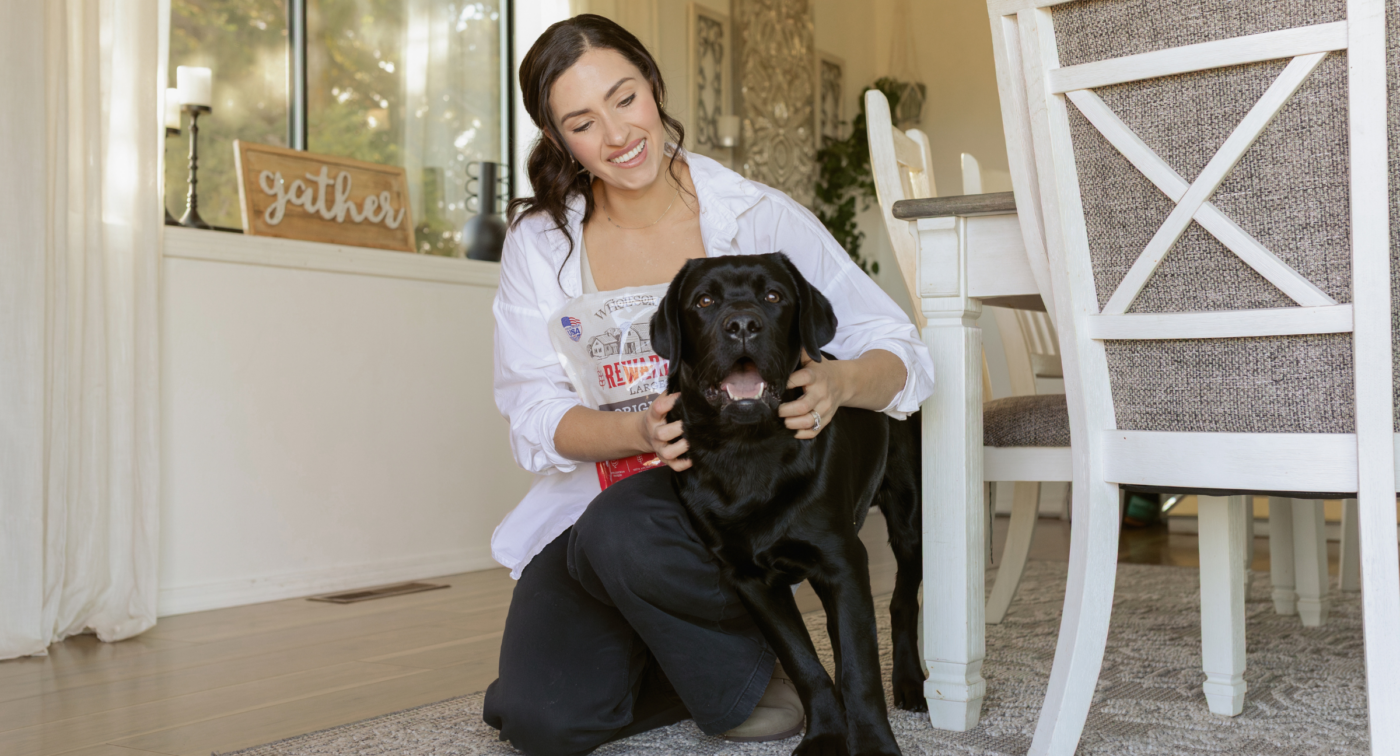
At Wholesomes we believe your pup deserves every treat they get. When your dog has a sensitive stomach, too many treats can quickly turn into tummy troubles soft stool, gas, and even unwanted weight gain. So how many dog treats are too many for sensitive dogs?
Veterinary experts recommend that treats make up no more than 10 percent of your dog’s daily calories. For dogs with sensitive stomachs, that limit matters more because extra treat calories can quickly lead to health problems like upset stomach, unwanted weight gain and digestive issues. Understanding your dog’s daily treat limit is one of the easiest ways to protect your furry friend’s health while still rewarding good behavior. Whether you’re looking for healthy small dog treats or healthy treats for larger dogs, knowing your dog’s treat limit keeps tails wagging without the negative medical conditions.
Here’s what we’ll cover: The 10% rule, warning signs your dog has had too many treats, the best healthy dog treats for sensitive stomachs, and what to skip altogether.
10% Treat Rule for Sensitive Stomachs “A common guideline suggested by veterinarians, including our experts at Willow Glen Pet Hospital, is that treats should not constitute more than 10 percent of your dog’s diet.” — willow glen pet hospital.
What the 10% Rule Means
When figuring out how many dog treats are too many for sensitive dogs, treats should make up no more than 10% of your dog’s total daily calories. The other 90% should come from a complete and balanced meal. Both the World Small Animal Veterinary Association (WSAVA) and the American Animal Hospital Association (AAHA) report back this guideline to help keep weight gain and obesity in check. Everything outside your dog’s regular bowl counts towards this; training treats, chews, table scraps, and meal toppers all add up. Here’s something worth knowing: the limit is about calories, A small cube of cheese alone can push a small dog right over that 10% ceiling.
How to Calculate Your Dog’s Daily Treat Allowance
Quick Treat Budget Guide
| Dog Size | Daily Calories* | 10% Treat Calories | Example Treat Budget |
| 10 lb dog | 180 kcal | 18 kcal | 3-4 tiny training treats |
| 25 lb dog | 500 kcal | 50 kcal | Small dental chew + a few training treats |
| 50 lb dog | 900 kcal | 90 kcal | Medium chew + training rewards |
| 70 lb dog | 1,200 kcal | 120 kcal | Larger chew + several training treats |
*Calorie needs vary by age, activity level, and health status.
Start with your dog’s daily calorie needs. Your vet can give you this number, or check your dog food packaging for a starting point.
The math is simple: Multiply your dog’s daily calories by 0.10, Say you have a sixty-pound Rottweiler who needs 1,200 calories a day? That leaves 120 calories for treats. A senior German Shepherd eating 1,456 calories daily gets about 145.6 treat calories.
Then check your treat packaging. Look for a “kcal per treat” listing near the feeding guidelines. If each treat has 20 calories, your Rottweiler can have six treats a day. No calorie info on the label? Reach out to the manufacturer. One more thing for dog owners, make sure the whole family is on the same page! Accidental overfeeding happens when multiple people are handing out large amounts of treats throughout the day. When treats go up, meal portions should come down. Adding treats on top of full meals without adjusting is where most owners run into health conditions.
Why Sensitive Dogs Need Stricter Limits
A 2025 study looked at 226 dry dog diets and found that swapping 10% of daily calories for commercial treats kept nutritional balance intact for active dogs, but that margin is tight. Push past 10%, and you’re not just risking digestive upset, you’re also opening the door to nutritional gaps.
For sensitive dogs, pulling that number back to 5% treat calories is often the safer call to treat your dog correctly. A simple thing to watch when your dog eats: if your dog’s stool is firm on regular food but loosens on heavy treat days, the treats are telling you something.
Why Treats Trigger Tummy Trouble in Sensitive Dogs
Common Ingredients That Cause Upset Stomach
Not all treats are created equal and some are harder on your dog’s stomach than you might think.
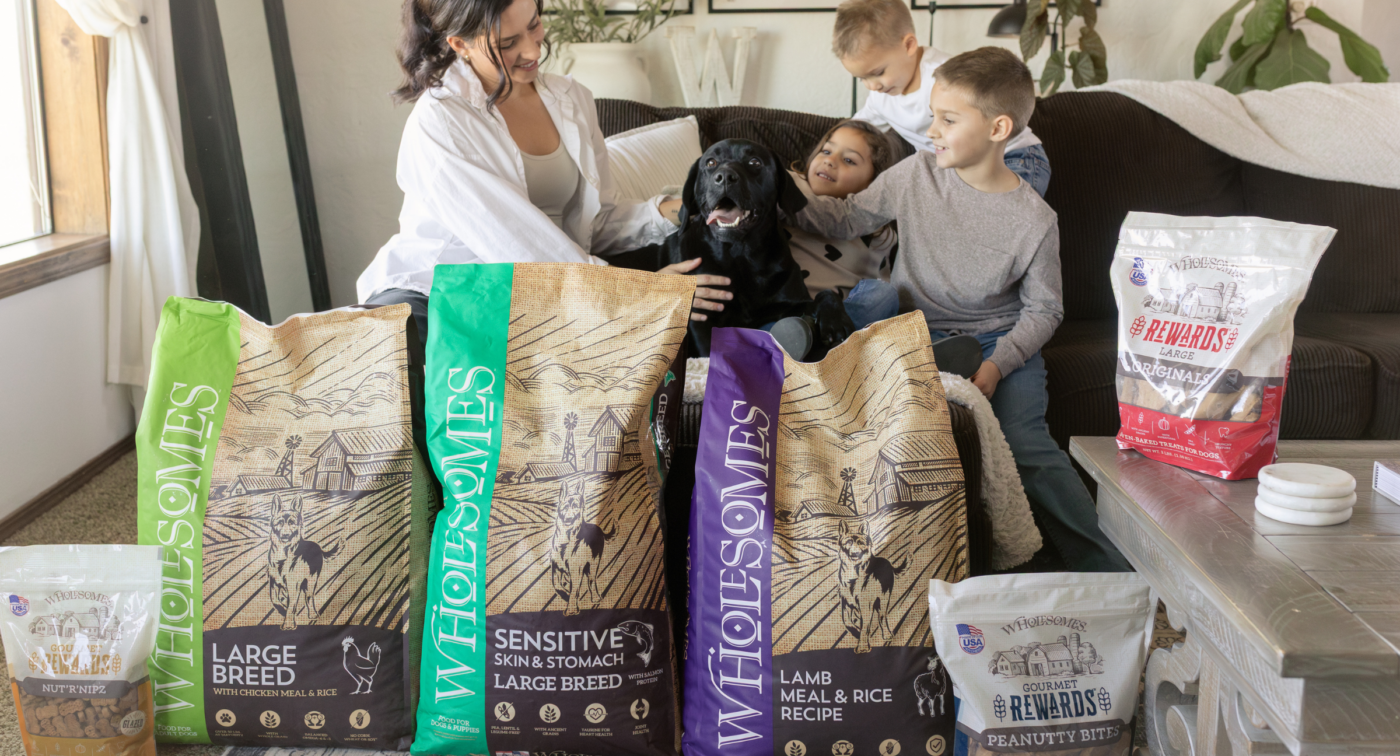
Many commercial treats are packed with wheat, corn, and soy. These fillers are tough to digest and can set off food sensitivities in dogs who are already prone to tummy troubles. Artificial additives like BHA and BHT are another concern. They help treats stay on the shelf longer, but they can cause inflammation and loose stools. Meanwhile, Wholesomes offers chewy soft treats that are made with lamb and whitefish protein which are crafted without those common allergens and are gentle on your dog’s tummy.
Meat by-products are worth watching too! Some treats use rendered meats that include indigestible parts like hooves and beaks. Artificial dyes, refined sugars, vegetable glycerin, and citric acid round out the list of common culprits, all linked to digestive issues ranging from diarrhea to vomiting.
How Rich Treats Overload the Digestive System
Treats are naturally richer than regular kibble. Higher fat, salt, and sugar levels hit your dog’s stomach all at once, and that’s a lot to handle.
High-fat treats made with bacon or beef are particularly hard to digest. Too much, too fast, and you’re looking at gastrointestinal inflammation or even pancreatitis. Training sessions make this worse. Dogs tend to gobble treats quickly, which means less chewing and faster movement through the digestive tract.
The Link Between Treat Overfeeding and Food Sensitivities
Corn, wheat, beef, chicken, your dog’s stomach may simply struggle to break these ingredients down properly. The result can cause inflammation, irritation, and ongoing digestive issues. When treats pile up beyond the recommended limit, your dog’s primary nutrition gets pushed aside too.

Signs Your Dog Has Had Too Many Treats
Your dog can’t tell you when they’ve had enough, but their body will. Watch for:
- Loose stools or watery diarrhea
- Vomiting
- Excessive gas
- Loss of appetite for regular meals
- Loud stomach gurgling
- Lethargy or abdominal discomfort
- Changes in water consumption, more or less than usual
Spotted one or more of these signs? It may be time to take a closer look at what’s going into the treat jar.
Best Healthy Dog Treats for Sensitive Stomachs
Low-Calorie Natural Treat Options
Good news for treat lovers, some of the best options are already in your kitchen. Cucumbers, carrots, green beans, and asparagus all make great low-calorie snacks with real nutritional value. Compare that to a one-inch cube of cheddar cheese, which packs about 69 calories, enough to blow a small dog’s entire treat budget in one bite. Even your pup’s regular kibble works wonderfully as a training reward. No new ingredients. No tummy surprises.
Single-Ingredient Treats That Are Easy to Digest
Simple is better for sensitive stomachs. Freeze-dried or dehydrated treats made from chicken breast, beef liver, lamb liver, salmon, or duck liver contain just one wholesome ingredient, nothing more. They’re naturally packed with protein and easy on digestion, making them a great fit for dogs with food sensitivities. Prefer plant-based? Sweet potato, pumpkin, and carrots are gentle, fiber-rich favorites.
Grain-Free and Limited Ingredient Treats
Novel proteins like rabbit, duck, and trout are less familiar to your dog’s immune system, which means they’re far less likely to trigger a reaction and are a great option for . Salmon is a standout choice, delivering omega-3s that support both gut health and a healthy coat. For dogs with more severe sensitivities, hydrolyzed protein treats break proteins down into tiny pieces the immune system won’t flag, and at just 6 calories per treat, they fit easily into any treat budget.
Small Dog Treat Portion Sizes vs. Large Dog Portion Sizes
Size matters when it comes to treat portions. For a 10-pound dog, every extra calorie adds up faster than it does for a 70-pound dog. A small pup eating around 182 calories a day has roughly 18 calories to spare on treats. The fix is simple, if your dogs love wholesome grain free treats just break the treats into smaller pieces and spread them across the day, or reduce the number of treats you reward your dog. Same reward, smaller serving.
What to Avoid: Treats That Are Bad for Sensitive Dogs
“Most of them are loaded with salt, sugar, preservatives, flavorings and colors. Dog treats are made with a wide variation in quality and nutrient content regardless of labeling.” — Dr. Donna Spector “Most of them are loaded with salt, sugar, preservatives, flavorings and colors. Dog treats are made with a wide variation in quality and nutrient content regardless of labeling.” — Dr. Donna Raditic, Board-certified veterinary nutritionist with Nutrition and Integrative Medicine Consultants
Fatty and Seasoned Treats to Skip
Rich, high-fat treats are tough on your dog’s digestive system. Too much fat can trigger pancreatitis, a painful and serious condition. Seasonings are another concern. Garlic and onion, even in small amounts, damage red blood cells and can cause anemia so skip anything seasoned or heavily flavored.
Why People Food Causes Problems
Some human foods aren’t just unhealthy for dogs, they’re dangerous. Here’s what to not feed your dog:
- Xylitol — causes liver failure, even in tiny amounts
- Chocolate — contains methylxanthines that disrupt metabolic processes
- Grapes and raisins — linked to kidney failure[182]
- Macadamia nuts — cause weakness and tremors[182]
- Cooked bones — splinter easily and can tear the digestive tract
- Raw meat — carries Salmonella and E. coli risks[182]
When in doubt, skip the table scraps altogether.
Common Additives and Preservatives That Trigger Reactions
Treat labels can be tricky. Watch out for these additives that are hard on sensitive stomachs:
- BHA and BHT — linked to liver damage and cancer[212]
- Ethoxyquin — known to cause changes in liver enzymes
- Propylene glycol — can trigger allergic reactions and organ damage
- Nitrates and nitrites — classified as carcinogens
- Artificial colors like Red 40 and Yellow 5 — associated with hyperactivity
- MSG — leads to digestive upset
- Corn syrup — increases the risk of diabetes over time[212]
How to Read Treat Labels for Hidden Ingredients
Flip the bag over before you buy. Vague terms like “meat meal” or “animal by-products” are red flags. Artificial colors, BHA, and BHT often appear near the end of ingredient lists, but they’re still worth avoiding when you’re trying to find out how many treats are too many for sensitive dogs.
Simple rule: the shorter the ingredient list, the better.
Safer Treat Swaps Worth Trying
Your dog’s regular kibble makes a great training treat. Same ingredients, zero surprises, and it keeps you well within that daily calorie budget.
Plain cooked chicken or turkey also works well. Just one ingredient, lots of protein, and no added additives. Your pup won’t know the difference. They’ll just be happy to get a reward.
Treating your dog doesn’t have to be complicated with knowing how many treats are too many for sensitive dogs. Stick to the 10% rule, read those labels, and choose simple ingredients your dog’s stomach can actually handle. Calculate their daily treat allowance, pick single-ingredient or low-calorie options, and adjust meals when treat days get a little generous.
Treat smart, and your pup gets the best of both worlds, lots of love and a happy tummy to go with it.