
Best Protein for Dogs with Sensitive Stomachs (Vet Guide)
By Reece Dosso
Choosing the best protein for dogs with sensitive stomachs can feel overwhelming when your pup is struggling with digestive issues. Gastrointestinal illness is a common problem in dogs, and finding the right protein source becomes the foundation of relief. I’ve seen countless pet parents guide themselves through this challenge, and the good news is that certain proteins work better than others for a sensitive stomach diet for dogs.
This piece will walk you through why salmon protein stands out as the top choice, how it compares to other options like chicken and beef, and what helps dogs’ stomachs feel better through a strategic bland diet for dogs. We’ll also cover how to read your dog’s symptoms and create a tailored food management plan.

Understanding Protein Sensitivity in Dogs
What Causes Protein Sensitivities
Protein sensitivities develop when your dog’s immune system treats a harmless food ingredient as a threat. After repeated exposures, the body produces antibodies against specific proteins and creates an overreaction each time your dog eats that ingredient. This process doesn’t happen overnight. Your dog can eat the same food for months or even years before the immune system suddenly decides to mount a defense.
The mechanism involves dendritic cells in the gut that constantly assess incoming proteins. These cells trigger an immune response in local lymph nodes when they encounter what the body has deemed a threat. This leads to IgE antibody production. These antibodies release compounds like histamine and result in the uncomfortable symptoms we associate with protein sensitivity.
Common vs Uncommon Protein Allergies
True food allergies affect only 1% of all dogs. They are nowhere near as common as many pet parents assume. Among dogs diagnosed with food allergies, beef tops the list at 34%, followed by dairy products at 17%, chicken at 15%, wheat at 13%, and lamb at 5%.
These proteins dominate allergy statistics not because they’re inherently more allergenic. They’re used most frequently in commercial dog foods. Allergies develop through repeated exposure, so your dog encounters these ingredients more often.
Less common allergens include soy, corn, egg, pork, fish, and rice. Each affects roughly 2% to 6% of allergic dogs. Unusual triggers like barley, rabbit, chocolate, kidney bean, and tomato have been reported in individual cases.
The Difference Between Intolerance and Allergy
The terms sound alike, but the difference matters to treat the condition. A food allergy involves your dog’s immune system creating antibodies and mounting an attack against specific proteins. Food intolerance occurs without immune involvement and stems from your dog’s digestive system not processing certain ingredients well.
Intolerance can appear after a single exposure to the offending food. Allergies require time to develop. To name just one example, a dog with lactose intolerance will experience gas and diarrhea after drinking milk. A true allergy shows symptoms after the immune system has been primed through multiple exposures.
Another key difference: dogs with food intolerance may tolerate small amounts of the problematic ingredient. Trace amounts can trigger an allergic response. Allergies cause persistent itching and skin reactions alongside digestive upset. Intolerance affects the gastrointestinal system more.
Top Protein Sources for Dogs with Sensitive Stomachs
Why Salmon Protein Stands Out
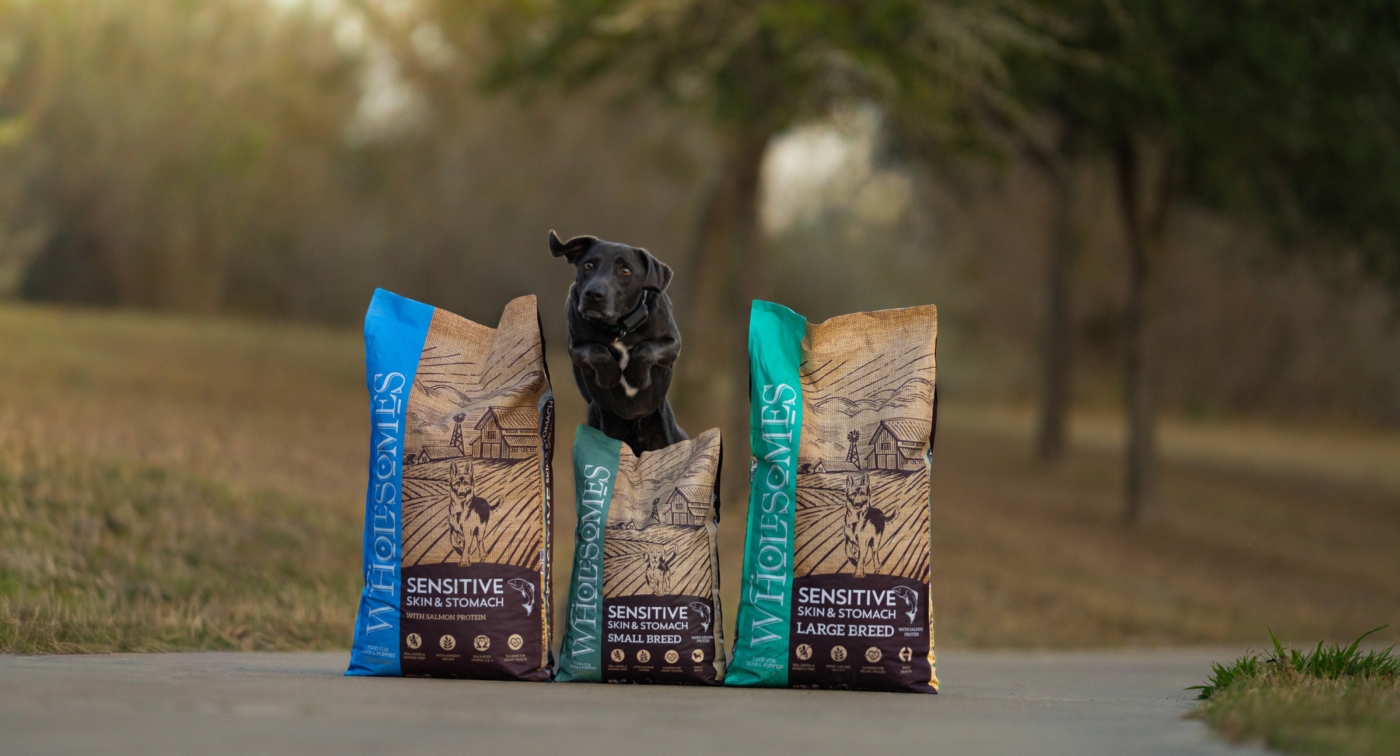
Salmon earns its reputation as the best protein for dogs with sensitive stomachs through multiple mechanisms. The omega-3 fatty acids EPA and DHA reduce inflammation in the digestive tract and support skin and coat health. DHA promotes brain development in puppies and maintains cognitive function in senior dogs. Salmon contains very low mercury levels compared to tuna, which makes it safe for regular feeding alongside these anti-inflammatory properties.
The digestibility factor sets salmon apart. Fish proteins break down more easily than poultry or beef and reduce the workload on compromised digestive systems. This gentle processing makes salmon an excellent choice for dogs recovering from gastrointestinal illness or managing chronic sensitivities.
Comparing Chicken, Beef, Lamb, and Fish
Chicken offers the highest bioavailability among meats. Your dog’s body absorbs and uses the protein most efficiently. This makes chicken ideal to transition to new foods or to support dogs with sensitive stomachs. Chicken ranks as the number three protein allergen for dogs, but.
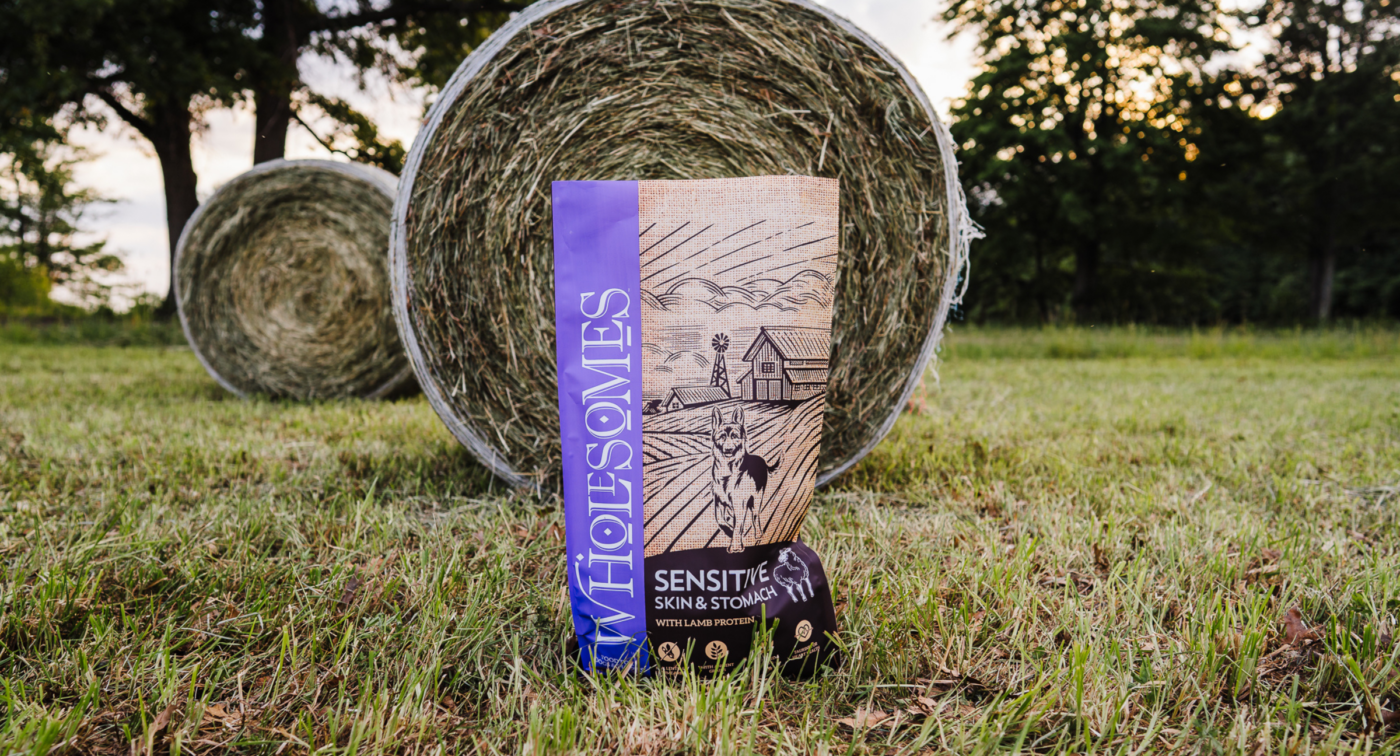
Lamb provides essential nutrients and remains gentle on sensitive stomachs, which explains its frequent use in hypoallergenic diets. The high iron and zinc content supports immune function without overwhelming the digestive system.
Fish proteins prove hypoallergenic and easy on the stomach. White fish like cod or pollock contain lower mercury than salmon and offer another safe option for frequent feeding.
Single-Protein Dog Food for Sensitive Stomachs Multi-Protein Diets
Single protein formulas simplify digestion. Your dog’s system processes one ingredient rather than multiple animal sources. This approach reduces inflammation in the gut and helps maintain consistent stool quality. Identifying the trigger becomes straightforward with single-source feeding that you use.
Hydrolyzed Protein for Dogs with Severe Sensitivities
Hydrolyzed protein dog food uses a water-based process to break proteins into tiny pieces. This makes them invisible to your dog’s immune system. Veterinarians prescribe these diets for food allergies and inflammatory bowel disease. The proteins break down into particles between 1.5-3.5 kDa, though prescription formulas maintain stricter quality control than over-the-counter options.
Reading Your Dog’s Symptoms
Gas and Bloating Indicators
Excessive gas signals your dog’s digestive system isn’t breaking down proteins efficiently. Occasional flatulence is normal, but frequent or especially foul-smelling gas indicates fermentation in the large intestine. Bloating accompanies gas when undigested proteins create abdominal discomfort. Note that dogs eating too quickly swallow air, but protein sensitivities produce gas with an unpleasant odor due to sulfur compounds.
Stool Quality and Consistency
Healthy stool appears well-formed, log-shaped, and medium to dark brown. Soft, formed stools that maintain some shape suggest mild digestive upset from diet changes or fatty foods. Watery or loose diarrhea indicates more serious reactions to protein intolerance. Frequency matters: more than three bowel movements daily fall outside normal range. Large amounts of mucus in stool indicate colitis or food sensitivities, while color changes like yellow or orange signal liver or pancreatic issues.
Itching and Skin Reactions
The most common symptom of food allergies in dogs is itching. Areas most affected include paws, face, ears, belly, and under the tail. Constant scratching often causes secondary bacterial and yeast infections that worsen the discomfort. Food-related itching persists year-round, unlike environmental allergies that wax and wane with seasons. Redness, hot spots from excessive licking, and hair loss accompany the itching.
Vomiting and Appetite Changes
Vomiting frequently after meals suggests an allergy or sensitivity to specific ingredients in dog food for sensitive stomach formulas. Up to 20% of food-allergic dogs experience vomiting and diarrhea as their symptoms. Weight loss, decreased energy, and changes in appetite signal chronic digestive problems. Symptoms can worsen over time, so early intervention prevents more severe reactions.
Creating a Protein Management Plan
Managing protein sensitivities requires more than just switching foods. You can test different varieties of dog food for sensitive stomach issues through systematic methods with your vet’s guidance.
Starting with a Food Elimination Trial
An elimination trial remains the most reliable way to diagnose food allergies. Feed either a hydrolyzed diet or novel protein diet for at least eight weeks. Dogs with gastrointestinal signs improve sooner than those with skin issues, though many see remission by week five. Eliminate all food items except the prescribed diet during this time—no treats, table scraps, flavored medications, or even flavored toys. Prescription diets manufactured in dedicated facilities prevent cross-contamination that can skew results.
Keep a Detailed Food Journal
Track every food item your dog consumes, including brand, flavor and ingredients. Record symptom timing, stool consistency, appetite changes and behavioral changes. This documentation helps your vet determine whether diet drives the issue. Maintain entries for 4-6 weeks minimum to establish patterns.
Should You Rotate Proteins?
Rotation feeding may reduce allergy development by preventing prolonged exposure to single proteins. Dogs with inflammatory bowel disease, pancreatitis, or those undergoing elimination trials should avoid rotation. Transition over 7-10 days and switch proteins every 2-4 weeks if rotating.
Choose the Right Dog Food for Sensitive Stomach
Select foods meeting AAFCO standards with digestible proteins like chicken, lamb or fish listed as the first ingredient. Limited ingredient formulas reduce exposure to potential irritants. Transition new foods over 7-10 days to prevent digestive upset.

Conclusion
Salmon stands out as the best protein for dogs with sensitive stomachs. It’s easy to digest and contains anti-inflammatory omega-3s. But every dog responds differently to chicken, lamb, beef, and fish proteins. Your job involves watching for symptoms like gas and loose stool, then tracking patterns in a food journal. Work with your vet closely to identify triggers through elimination trials. Patience and careful observation will help you find the protein source that keeps your pup’s stomach settled and healthy.