
Is My Dog Getting Enough Protein?
Ensuring that your dog receives adequate protein is crucial for their overall health and well-being. Protein plays a vital role in various bodily functions, including muscle development, immune system support, and energy provision. However, finding out if my dog is getting enough protein can be challenging as a pet parent, especially with the myriad of dog food options available. This article will explore the importance of protein in your dog’s diet, signs of protein deficiency, the best protein for dogs, and how to tailor their nutritional needs based on their life stage and activity level.
Understanding Protein’s Role in Your Dog’s Health
Protein is made up of amino acids, which are essential for numerous bodily functions. These include:
- Muscle Development: Protein is fundamental for building and repairing muscles, ligaments, and tendons. A diet rich in protein helps maintain your dog’s strong muscle mass, especially as they age or if they are highly active.
- Energy Source: While carbohydrates and fats are primary energy sources, protein can also provide energy when needed. This is particularly important for dogs with high energy demands.
- Healthy Skin and Coat: Adequate protein intake contributes to a shiny coat and healthy skin. It helps in the production of keratin and collagen, which are vital for skin health.
- Immune Function: Proteins are crucial for the production of antibodies that help fight infections and diseases. A strong immune system is essential for your dog’s overall health.
- Hormonal Balance: Proteins are involved in hormone production, which regulates various bodily functions, including metabolism and growth.
Signs Your Dog is Getting Enough Protein
Recognizing whether your dog is receiving sufficient protein can be observed through various physical signs:
- Muscle Tone: A well-proportioned dog should have firm muscles. If your dog appears to be losing muscle mass or has a soft body, it may indicate a protein deficiency.
- Coat Condition: A healthy dog typically has a shiny, smooth coat. Dullness, excessive shedding, or skin issues can signal inadequate protein intake.
- Energy Levels: Dogs that receive enough protein tend to be more energetic and active. If your dog seems lethargic or less playful than usual, it might be time to evaluate their diet.
- Weight Management: Protein helps regulate metabolism. If your dog is gaining or losing weight unexpectedly, it could be due to insufficient protein in their diet.
- Digestive Health: A balanced diet with adequate protein supports healthy digestion. Signs of digestive issues, such as bloating or diarrhea, may indicate a need for dietary adjustments.
Active vs. Low-Activity Dogs: Tailoring Protein Needs
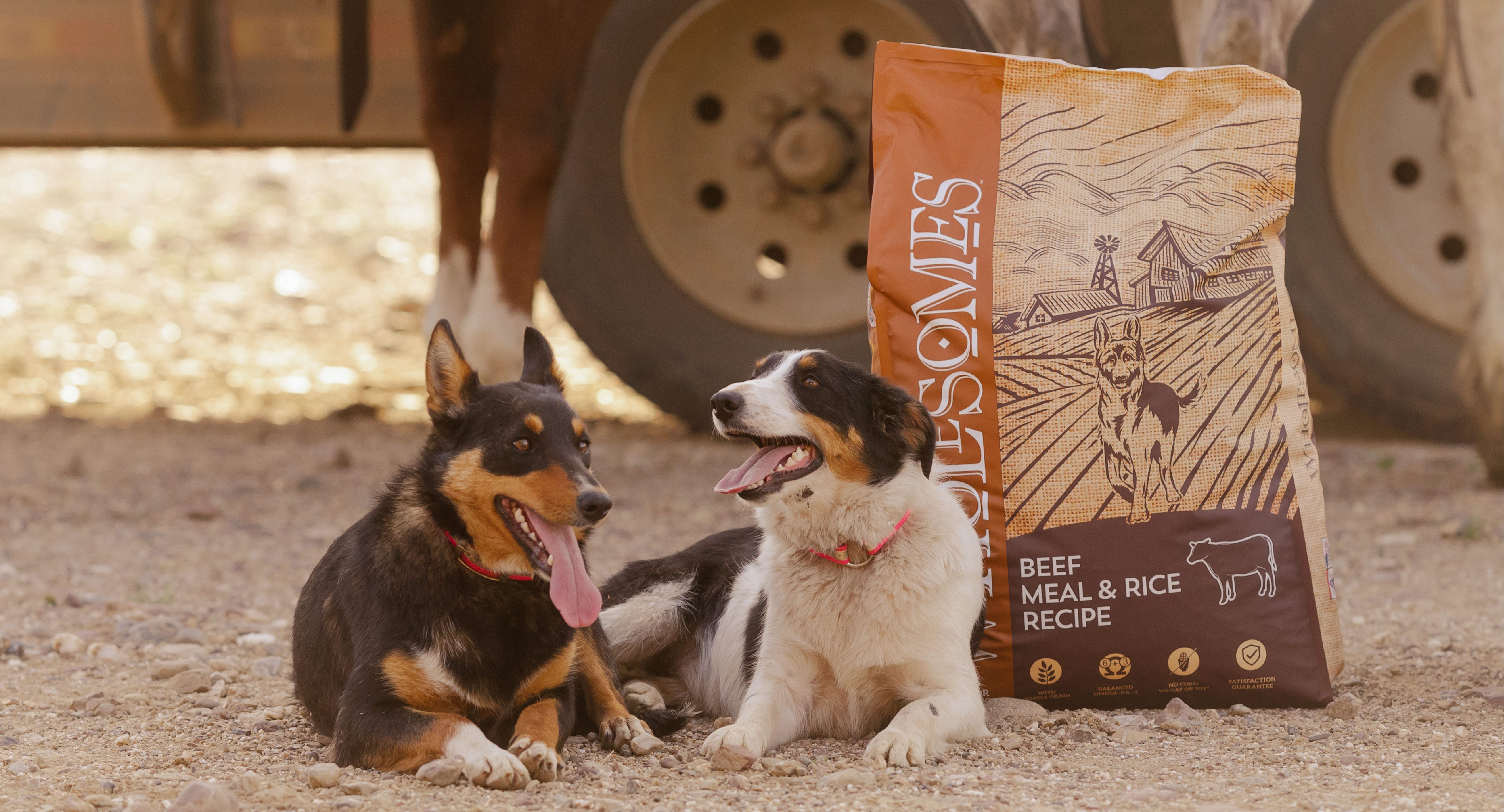
The protein requirements of dogs can vary significantly based on their activity levels.
Active Dogs
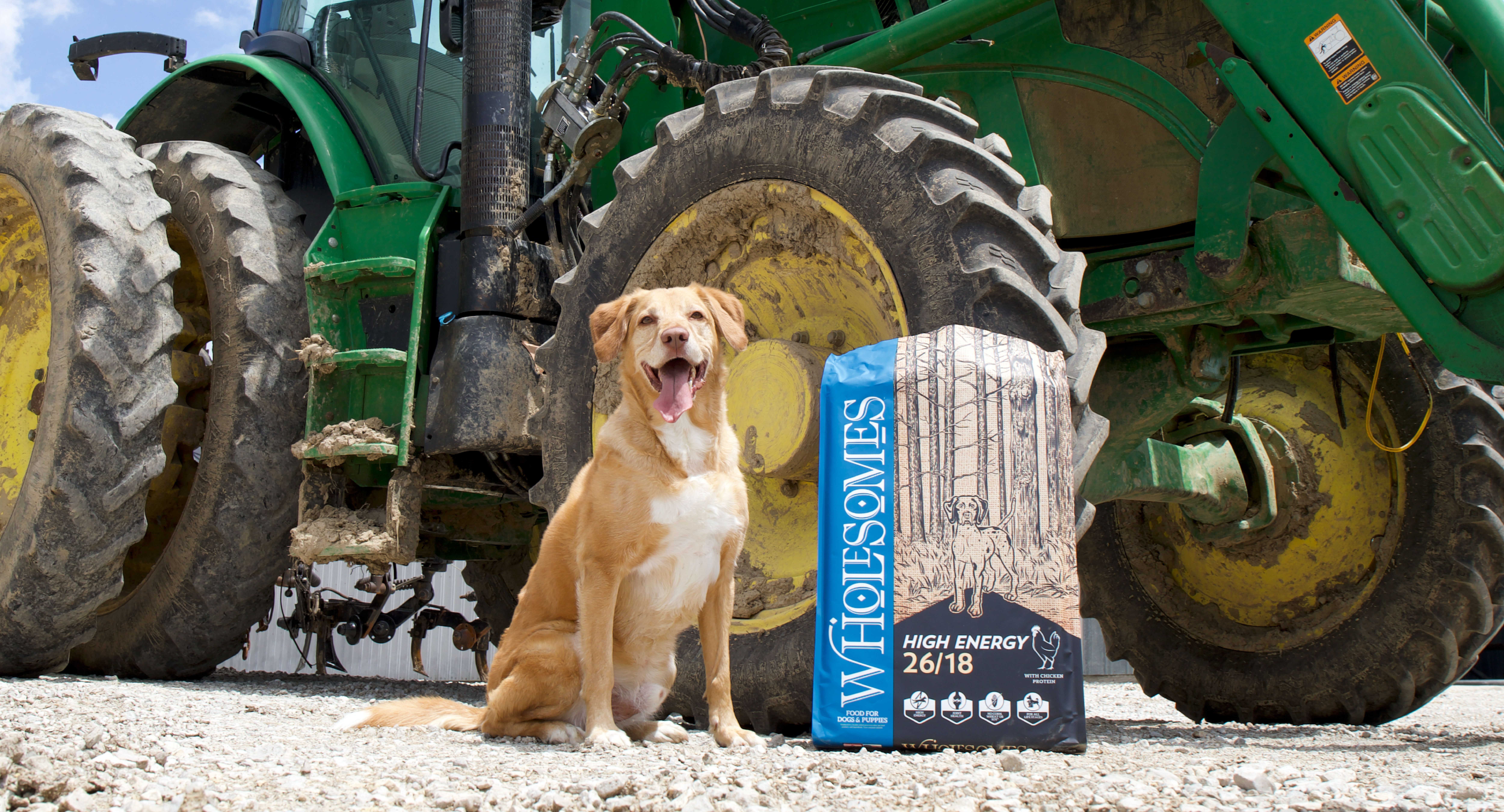
High protein food for dogs is more necessary for being highly active. Examples include working dogs or those that participate in agility training, their protein needs are higher. These dogs require:
- Higher Protein Content: A diet with at least 25-30% protein is often recommended to support muscle recovery and energy levels.
- Quality Sources: Look for high-quality protein sources, such as chicken or beef which provide essential amino acids and both of these proteins are in the Wholesomes Energy Series line of dog food
Low-Activity Dogs
Conversely, dogs that are less active may require a lower protein intake. This includes senior dogs or those with health issues. Their needs typically include:
- Moderate Protein Levels: A diet with around 18-22% protein is usually sufficient to maintain health without contributing to weight gain.
- Balanced Nutrition: Ensure that their diet is well-rounded, including healthy fats and carbohydrates, to prevent obesity while still meeting their nutritional needs.
Life Stage Considerations: Puppies, Adults, and Seniors
The protein food for dogs requirements can change as they progress through different life stages.
Puppies
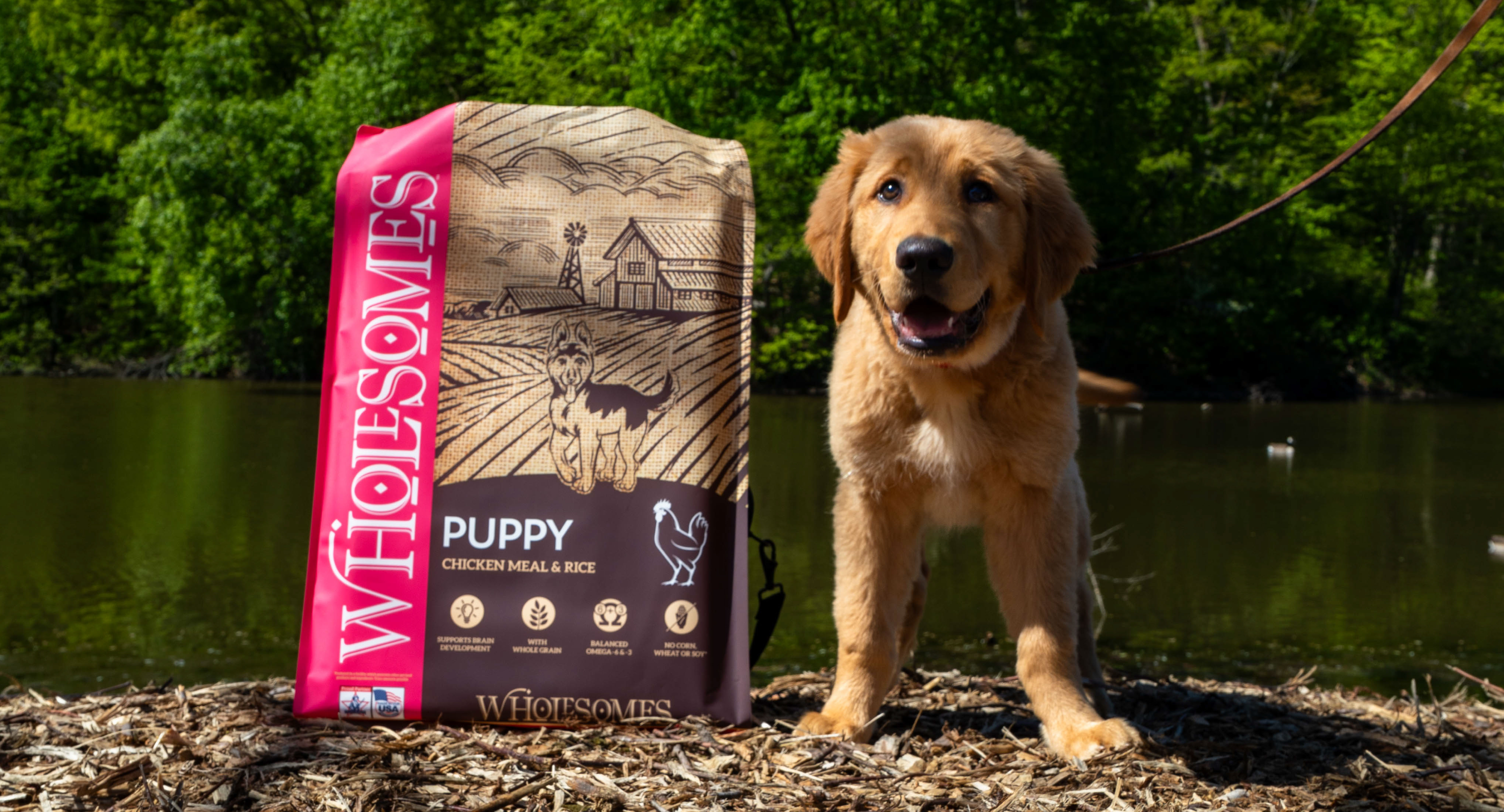
Puppies are in a critical growth phase and require high protein diets to support their rapid development. Key points include:
- Higher Protein Needs: Puppies should consume a diet with at least 22.5% protein to support their growth and energy needs, so high protein dog food for puppies is important.
- Quality Ingredients: Look for puppy foods with high protein dog food specifically formulated for puppies, ensuring it contains essential nutrients such as balanced Omega-6 & Omega-3 fatty acids for their development such as the Wholesomes Puppy Chicken Meal & Rice Recipe.
Adult Dogs
Adult dogs have stabilized growth and require a balanced diet to maintain their health. Their protein needs typically include:
- Moderate Protein Levels: Adult dogs generally need around 18-25% protein, depending on their activity level.
- Nutritional Balance: Ensure their diet includes a mix of protein, fats, and carbohydrates to support overall health.
Senior Dogs
As dogs age, their metabolism slows down, and their amount of protein needs may change. Important considerations include:
- Increased Protein for Seniors: Older dogs may benefit from a higher protein diet (around 25%) to help maintain muscle mass and support overall health.
- Digestibility: Choose easily digestible protein sources to accommodate any potential digestive issues that may arise with age.
Avoiding Overfeeding While Meeting Protein Needs
While it’s essential to ensure your dog gets enough protein, overfeeding can lead to obesity and other health issues. Here are some tips to avoid overfeeding:
- Portion Control: Follow the feeding guidelines provided on dry dog food packaging, adjusting based on your dog’s activity level and weight.
- Regular Weigh-Ins: Monitor your dog’s weight regularly to ensure they are maintaining a healthy body condition.
- Consult Your Vet: If you’re unsure about portion sizes or dietary needs, consult your veterinarian for personalized recommendations.
When to Consult Your Veterinarian
If you suspect that your dog may not be getting enough protein or if you notice any concerning signs, it’s essential to consult your veterinarian. They can help you:
- Evaluate Diet: A vet can assess your dog’s current diet on how much protein is in your dog food and recommend adjustments to ensure they are receiving adequate protein and other nutrients.
- Identify Underlying Issues: If your dog is showing signs of protein deficiency, your vet can help identify any underlying health issues that may be affecting their nutritional needs and potential protein supplements for dogs.
- Tailor a Feeding Plan: Your veterinarian can create a customized feeding plan based on your dog’s age, weight, activity level, and health status.
Conclusion
Ensuring your dog receives enough protein is vital for their health and well-being when it comes to their pet food. By understanding their specific needs based on activity level and life stage, you can provide a balanced diet that supports their overall health. Regular monitoring and consultation with your veterinarian will help you maintain their nutritional needs in feeding your dog and ensuring they lead a happy and healthy life. Remember, a well-nourished dog is a happy dog!