
Are Eggs Good for Cats? A Complete Guide to Feeding Eggs Safely
Eggs are a common kitchen staple, so it’s natural for pet parents to wonder whether they belong in a feline diet too. So, if you’ve been asking whether eggs are good for cats, the answer is a careful yes in most cases. Eggs can offer useful nutrients, but how they’re prepared and how much you serve both matter.
In this guide, we’ll look at whether cats can eat eggs safely, why eggs can have nutritional benefits, and the difference between raw eggs and cooked eggs. We’ll also cover the possible downsides of feeding eggs, the best ways to prepare them, and how to decide how much egg is appropriate for your cat.
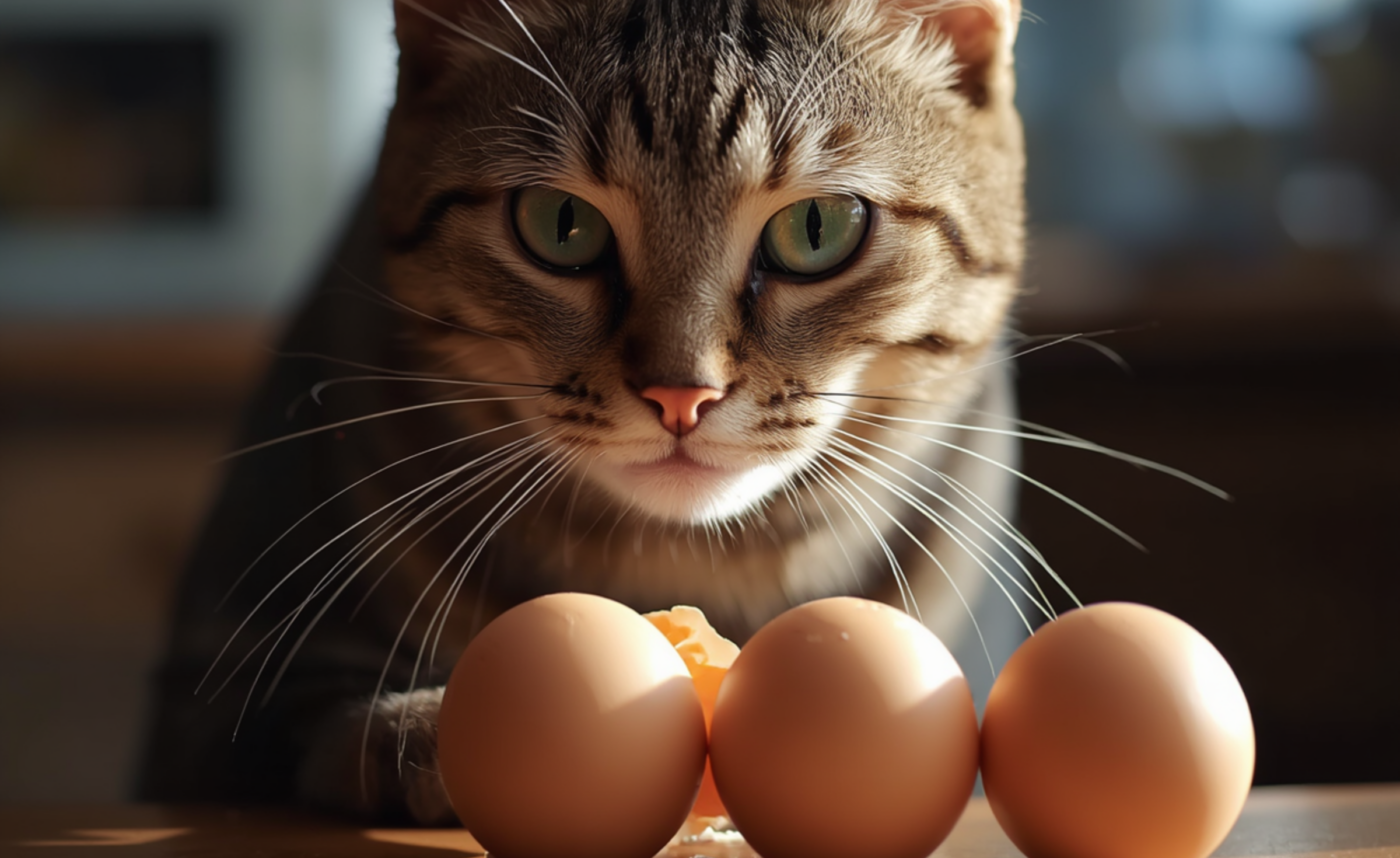
Can Cats Eat Eggs Safely?
Yes, cats can eat eggs in many situations, but safety depends on preparation and portion size. Since cats are obligate carnivores, they do well with animal-based foods that provide protein and fat. Eggs fit that profile, which is why many people consider them a simple add-on to a cat’s diet.
That said, eggs shouldn’t replace a complete cat food formula or become your cat’s main meal. They work best as an occasional treat or small supplement alongside your cat’s normal diet. When you safely feed eggs, they should be plain, fully cooked, and offered in amounts that make sense for your cat’s size and overall health.
Why Eggs Can Be a Nutritious Food for Cats
Eggs contain several nutrients that can support a healthy feline diet when served properly. They’re packed with animal proteins, fats, and other compounds that help support everyday body functions. For most cats, that makes eggs a reasonable food choice in moderation.
Still, it’s important to remember that “nutritious” doesn’t mean unlimited. Even when eggs are good for cats, they should only complement a balanced diet. The goal is to add something beneficial without crowding out the complete nutrition your feline friend already gets from regular meals.
Protein and Essential Amino Acids
One reason eggs offer value is their protein content. Cats rely on protein as one of the main building blocks for muscle maintenance, tissue repair, and everyday energy needs. Because they’re carnivores, they need nutrients that come from animal sources more than many other animals do.
Eggs also contain essential amino acids, which are nutrients cats must get through food. These amino acids help support everything from growth to routine body maintenance. That’s why a small amount of egg can fit nicely into a cat’s menu, as long as it doesn’t push aside a complete and balanced meal.
Healthy Fats and Key Nutrients
In addition to protein, eggs provide healthy fats that can support energy and help make food more satisfying. The egg yolk contains much of this fat content, along with several beneficial nutrients that can contribute to overall wellness when served in moderation.
Eggs also contain essential nutrients that support general body function, including nutrients connected to immune health. While eggs won’t replace a complete formula with all the nutrients your cat needs, they can still add value as a small extra. That’s part of why eggs can be good for cats when they’re prepared the right way.

Raw vs Cooked Eggs: What’s Safe for Cats?
The biggest safety difference comes down to raw or undercooked eggs versus fully cooked eggs. You might assume cats can eat raw eggs without a problem. After all, they’re carnivores, right? But while cats have a meat-based diet, raw eggs come with risks that aren’t worth ignoring. Specifically, bacteria and digestion concerns make raw eggs a poor choice for most homes.
Cooked eggs are the safer option. If you want to serve eggs to your cat, make sure they’re thoroughly cooked and served plain without butter, oil-heavy toppings, salt, or seasonings. Whether you choose boiled eggs or plain scrambled eggs, the goal is to keep things simple and easy on your cat’s digestive system.
Potential Downsides of Feeding Eggs to Cats
Even though eggs have nutritional benefits, they’re not perfect for every cat. Some cats handle eggs just fine, while others may develop stomach trouble or simply not tolerate them well. That’s why adding eggs should be done slowly and with close attention to how your cat reacts.
Another factor is calories. Eggs are nutrient-dense, but they also bring extra calories and fat. Too much can interfere with a cat’s normal diet, especially for indoor cats, smaller cats, or those that already get enough from their regular food. Moderation matters just as much as food quality here.
Risk of Bacteria in Raw Eggs
As mentioned earlier, the main concern with raw eggs is bacterial contamination. While it’s true that some cats eat raw eggs, that doesn’t automatically make them safe. Raw or undercooked eggs may carry bacteria that can affect both your cat and the people handling the food.
Raw egg whites also contain avidin, a protein that can interfere with biotin absorption if raw egg whites are fed often. Cooking eggs helps reduce this concern, which is another reason fully cooked eggs are the safer choice.
Because of these risks, raw egg whites and uncooked yolks aren’t a smart option for most pet parents. This is particularly true for a cat with a sensitive stomach or a weaker immune system, as they may be more likely to struggle after eating something contaminated. When safety is the goal, fully cooked eggs are always the better call.
Digestive Issues and Food Sensitivities
Not every cat’s stomach responds well to eggs. Some may develop digestive upset or gastrointestinal upset after eating them, especially if eggs are introduced too quickly or served in a rich preparation. This can show up as vomiting, loose stool, or a general lack of interest in food.
In some cases, a cat may also have a food sensitivity or allergic reaction. If you notice any itching, stomach trouble, or other sudden changes after adding eggs to your cat’s meals, it’s smart to stop feeding them and see whether the symptoms settle.
If they continue, a chat with your vet is the next best step. This cautious approach helps protect your cat’s health and makes it easier to spot what works and what doesn’t.
How to Feed Eggs to Your Cat the Right Way
If you want to offer eggs, keep the serving simple and practical. The best approach is to make eggs a small part of the menu rather than a regular replacement for complete food. Cats can benefit from the nutrients, but only when eggs are prepared in a way that suits their needs.
This also means paying attention to texture, added ingredients, and portion size. Feeding eggs should feel like a light supplement or treat, not a major meal. When you keep preparation plain and portions modest, it’s much easier to make eggs work well for your cat.
Best Cooking Methods
The safest methods are simple ones with no extras. Boiled eggs are easy to portion and don’t require added fat. Scrambled eggs can also work well, and some cats eat scrambled eggs readily because of the soft texture. If you go that route, stick with plain scrambled eggs and avoid rich add-ins.
Some cats prefer small bites of cooked egg whites, while others like a little egg yolk mixed into their food. Both can be fine when they’re fully cooked. Whether you make eggs by boiling or scrambling, the key is keeping them plain, soft, and easy to digest.

What to Avoid When Preparing Eggs
It’s important to skip anything that makes the eggs heavier or harder on your cat’s stomach. Salt, pepper, garlic, onion, butter-heavy cooking, cheese, and creamy toppings aren’t a good match for a cat’s needs. Even foods that seem harmless to people can upset a cat’s digestive system.
You’ll also want to avoid undercooked eggs completely. That means no runny centers, no lightly set raw egg whites, and no tasting while the eggs are only partly cooked. If you’re wondering whether cats can eat raw eggs safely, this is where the answer stays the same: cooked is the safer path.
Eggs in High-Quality Cat Food
Some premium formulas already include egg as part of the ingredient mix, which can be a practical way to include it in your kitty’s meals. When included in cat food, the egg is usually combined with other ingredients to help support a complete nutritional profile rather than acting as a stand-alone food.
For example, our own Wholesomes Chicken Meal & Rice Recipe includes dried egg to complement its protein profile. This ensures your cat gets the nutritional benefits of egg as part of a dependable, everyday feeding routine that supports their overall health.
How Much Egg Should You Give Your Cat?
When it comes to how much egg to give, less is usually better. A few small bites are often enough for one serving, especially if it’s your cat’s first time trying eggs. You don’t need to offer one egg or a full egg at once. In fact, that would usually be too much for many cats.
The right amount depends on your cat’s size, activity level, and overall cat’s health. Too many eggs can add more calories and fat than your cat needs, which may lead to weight gain or stomach trouble over time. Eggs should never become a kitten’s sole source of nutrition, and even adult cats should only eat eggs as part of a varied, balanced diet built around complete cat food.
Key Takeaways
- Yes, cats can eat eggs. In many cases, eggs are good for cats when they’re prepared safely and served in small portions. They work best as an occasional extra instead of replacing complete meals.
- Cooked is better than raw. While some people ask whether cats can eat raw eggs, the safer choice is always cooked eggs. Fully cooked eggs lower the risk tied to bacteria and are usually easier on the stomach.
- Eggs provide protein and nutrients. Eggs contain essential amino acids, fats, and other helpful compounds that can support your cat’s body. That said, they still shouldn’t take over your cat’s normal food routine.
- Preparation matters. Scrambled eggs, boiled eggs, and other simple options can work well if they’re served plain. Avoid oils, seasonings, dairy-heavy extras, and anything undercooked.
- Watch for stomach issues. Some cats do well with eggs, while others may show signs of digestive upset or sensitivity. If your cat reacts poorly, it’s best to stop offering eggs and return to familiar food.
- Portion control is important. Even when eggs are a good choice for your cat, more isn’t always better. Small amounts are usually enough, and too many eggs can add unnecessary calories to the diet.

Should Eggs Be Part of Your Cat’s Diet?
So, are eggs good for cats? In many cases, yes, as long as they’re cooked, plain, and given in moderation. Eggs can add protein, healthy fats, and other nutrients, but they should stay a small part of the menu rather than replacing complete cat food.
The best way to think about eggs is as a simple add-on for the right cat, not a daily necessity. If you want to give eggs to your cat, start small, watch closely, and focus on what fits your feline friend’s needs, preferences, and overall routine.