
How to Managing Dog Food Sensitivities in Summer?
By Mariah Moore
Food sensitivities in dogs can be a challenging issue for pet owners, especially during the summer months. As it gets hotter and dogs spend more time outside, food sensitivity symptoms may become worse. July, in particular, can be a tricky time with various environmental factors that can worsen these issues. Knowing how to manage food sensitivities in summer helps keep your dog healthy and comfortable.
What Are Dog Food Sensitivities?
Dog food sensitivities happen when a dog’s immune system reacts to certain ingredients in their food. These reactions can appear in various ways, including:
- Food Allergies: These are immune system reactions to specific foods, usually proteins, that can cause itching, bacterial skin infections, and stomach issues. A food allergen usually involves the immune system directly.
- Food Intolerances: Unlike allergies, intolerances in dogs don’t involve the immune system but can still lead to issues like bloating, gas, or diarrhea.
- Food Sensitivities: This term often encompasses both allergies and intolerances, indicating a general adverse reaction to certain specific foods.
Common signs of food sensitivities in dogs include persistent itching, digestive disturbances, ear infections, upset stomach, and skin diseases. Certain breeds such as Bulldogs, Retrievers, and Terriers may be more likely to develop food sensitivities, making it especially important for their owners to monitor their diets closely.
Why Summer (Especially July) Can Worsen Sensitivities
The summer months, particularly July, can exacerbate food sensitivities in dogs for several reasons:
Heat’s Effect on Digestion and Skin
High temperatures can affect a dog’s digestive system and make it harder for them to process even common food ingredients. Heat can also lead to increased sweating and skin irritation, which may worsen existing skin diseases related to food sensitivities.
Increased Outdoor Exposure
Summer brings more time spent outdoors, which means dogs are exposed to various allergens such as pollen, dust, and insects. These environmental factors can trigger or worsen allergic reactions, complicating the management of food sensitivities.
More Treats and BBQ Scraps
Summer gatherings often involve barbecues and picnics, where dogs may be tempted to indulge in small amounts of human food. Unfortunately, many of these foods especially dairy products for lactose intolerant dogs can irritate a dog’s digestive system, leading to flare-ups of food sensitivities.
Identifying Triggers in Your Dog’s Diet
To effectively manage dog food sensitivities, it is essential to identify the specific foods or ingredients in your dog’s diet that are causing reactions. Common allergens include:
- Proteins: Beef, chicken, and dairy are frequent culprits.
- Grains: Wheat and soy, although common food ingredients, can also cause reactions in sensitive dogs.
How to Use an Elimination Diet
An elimination diet is a gold standard method to identify food triggers. This involves removing all potential allergens from your dog’s diet and gradually reintroducing them one at a time. This process can take several weeks but is crucial for pinpointing the exact cause of your dog’s sensitivities.
When to Consult Your Vet
If you suspect your dog has food sensitivities, it’s essential to consult with your veterinarian or a veterinary nutritionist. They can provide guidance on conducting an elimination diet and recommend appropriate dietary changes.
Choosing the Right Food in July
Selecting the right food for your dog during the summer months is vital for managing sensitivities. Here are some tips:
Opting for Limited Ingredient Diets (LID)
Limited ingredient diets are designed to minimize the number of ingredients in your dog’s food, reducing the likelihood of triggering sensitivities. These diets often focus on a single protein source and a few select carbohydrates.
Benefits of Grain-Free or Hydrolyzed Protein Diets
For dogs with specific protein allergies or intolerances, gluten-free, grain-free, or hydrolyzed protein diets may be beneficial. Hydrolyzed diets contain proteins that have been broken down into smaller components, making them less likely to provoke an allergic reaction.
Importance of Hydration
During hot summer months, ensuring your dog stays hydrated is crucial. Consider incorporating moisture-rich foods or adding water to dry kibble to combat dehydration and support your dog’s digestion.
Summer Feeding Tips for Dog Food Sensitivities
Maintaining a consistent feeding routine is essential for dogs with sensitivities, even during the busy summer months. Here are some tips to consider:
Keep Feeding Schedule Consistent
Despite travel plans or outdoor activities, try to stick to your dog’s regular feeding schedule. Consistency helps maintain their digestive health and reduces the risk of an upset stomach.
Avoid Human Food and Outdoor Scraps
While it may be tempting to share your summer BBQ leftovers with your dog, it’s best to avoid human food altogether. Many human foods, particularly dairy products and other common allergens, can trigger intolerances in dogs.
Safe Summer Treats
For dogs with food sensitivities, safe summer treat options include frozen pumpkin cubes or coconut based chews. These high quality treats are generally well-tolerated and less likely to upset sensitive stomachs.
Natural Supplements and Support
In addition to dietary changes, natural supplements can provide added support for dogs with food sensitivities:
Probiotics for Digestion
Probiotics can help support your dog’s digestive system by promoting a balanced gut microbiome. This can be particularly beneficial for dogs experiencing digestive issues related to specific foods.
Omega-3 Fatty Acids for Skin Health
Omega-3 fatty acids can help improve skin health and reduce inflammation. This is especially important for dogs with bacterial skin infections or other skin conditions related to food allergens.
Calming Herbs
If your dog’s sensitivities are worsened by stress, consider incorporating calming herbs like chamomile into their routine. These can help soothe anxiety and promote relaxation.
Monitoring and Adjusting
Keeping a close eye on your dog’s symptoms during the summer months is crucial for effective long term management:
Tracking Symptoms
Maintain a journal to track your dog’s symptoms, noting any changes in behavior, digestion, or skin condition. This information can be invaluable when discussing your dog’s health with your veterinarian.
Revisiting Your Dog’s Diet
Regularly consult with your veterinarian to assess your dog’s diet and make necessary adjustments. This is especially important if you notice any changes in your dog’s symptoms.
Using Allergy Apps
Consider using allergy tracking apps to help monitor your dog’s symptoms and identify potential triggers. These tools can provide valuable insights into your dog’s health and help you make informed decisions.
When to Seek Veterinary Help for Dog Food Sensitivities
While many food sensitivities can be managed at home, there are times when veterinary intervention is necessary:
Warning Signs of Serious Reactions
If your dog experiences severe symptoms such as difficulty breathing, swelling, or persistent vomiting, seek veterinary help immediately. These could be signs of a serious food allergen reaction.
Chronic Symptoms
If your dog exhibits chronic symptoms that do not improve with dietary changes, it’s essential to consult your veterinarian. They may recommend diagnostic allergy tests to identify underlying issues.
Diagnostic Testing Options
Veterinarians can perform various tests, including blood tests and skin tests, to determine specific food allergies or sensitivities. These tests can provide valuable information for managing your dog’s diet effectively.
Final Tips and Key Takeaways
Managing dog food sensitivities during the summer months requires vigilance and proactive care. Here are some key takeaways:
- Prevention is Easier Than Reaction: Taking preventive measures can help avoid flare-ups of food sensitivities.
- Stay Consistent: Maintain a consistent diet and routine for your dog to support their digestive health.
- Don’t Ignore Symptoms: Small symptoms can escalate quickly, so it’s essential to address them promptly.
Product Recommendations
When managing dog food sensitivities, consider the following product options:
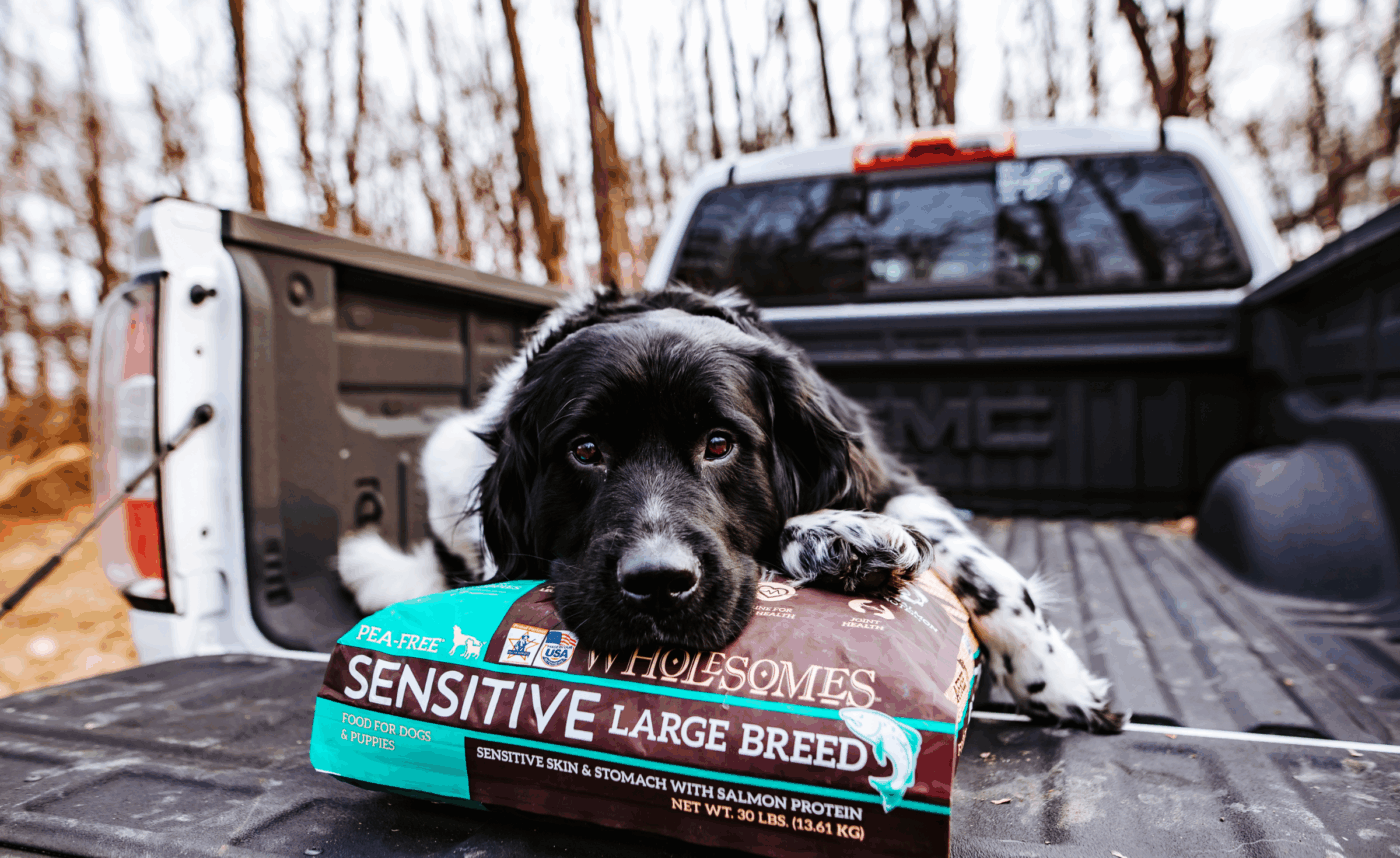
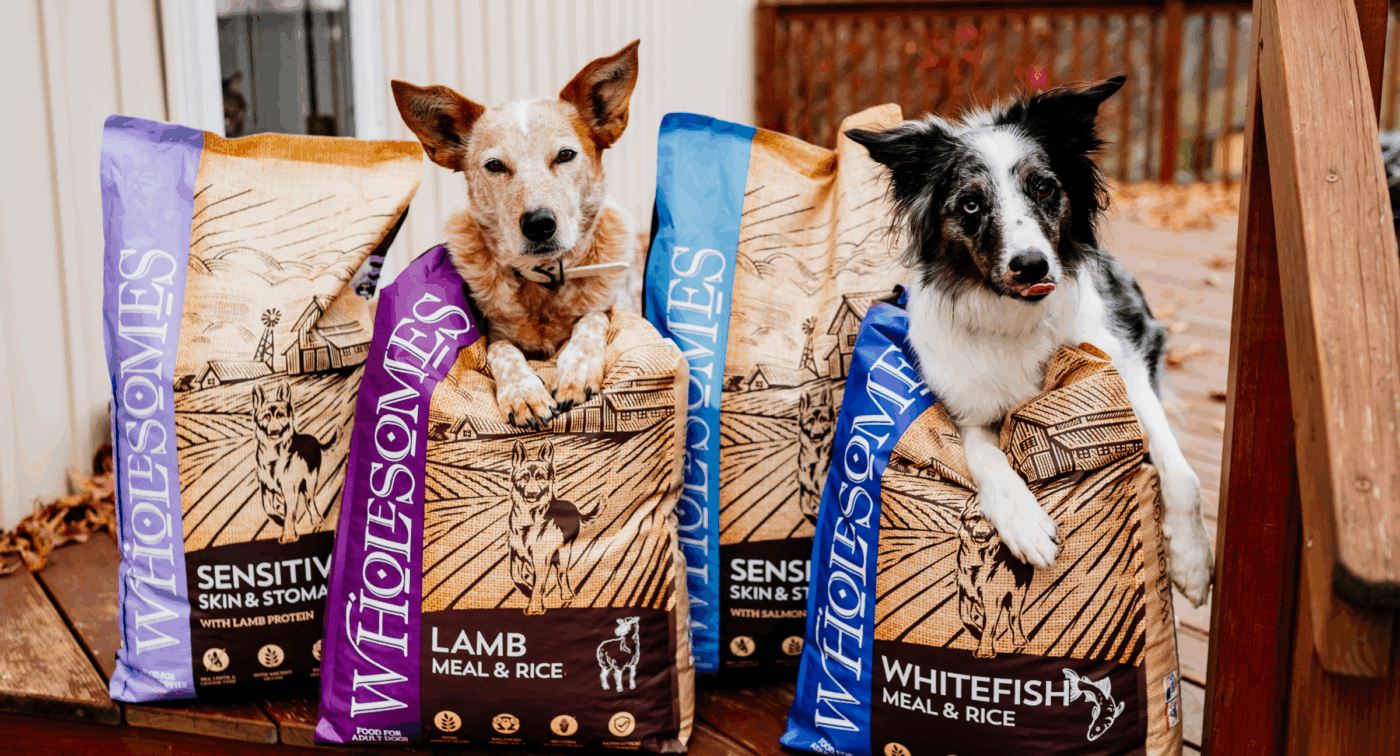
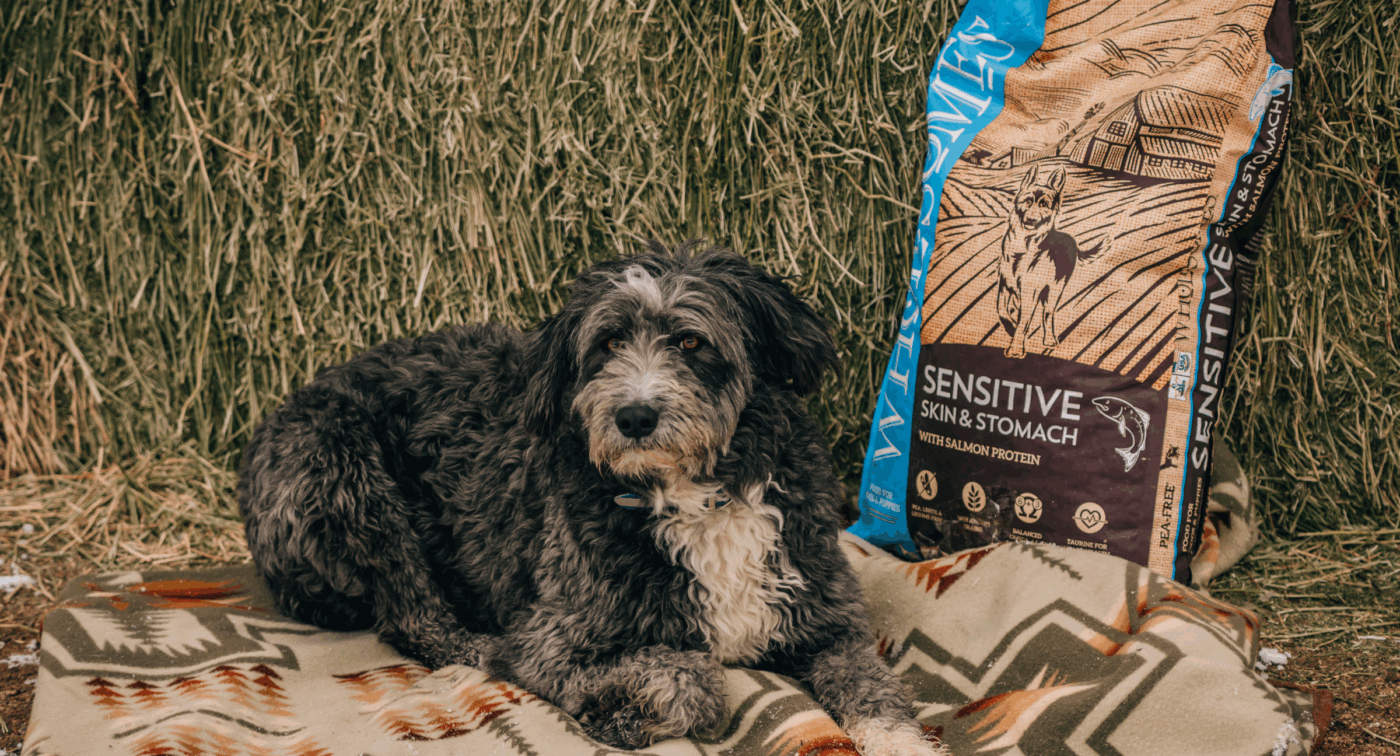
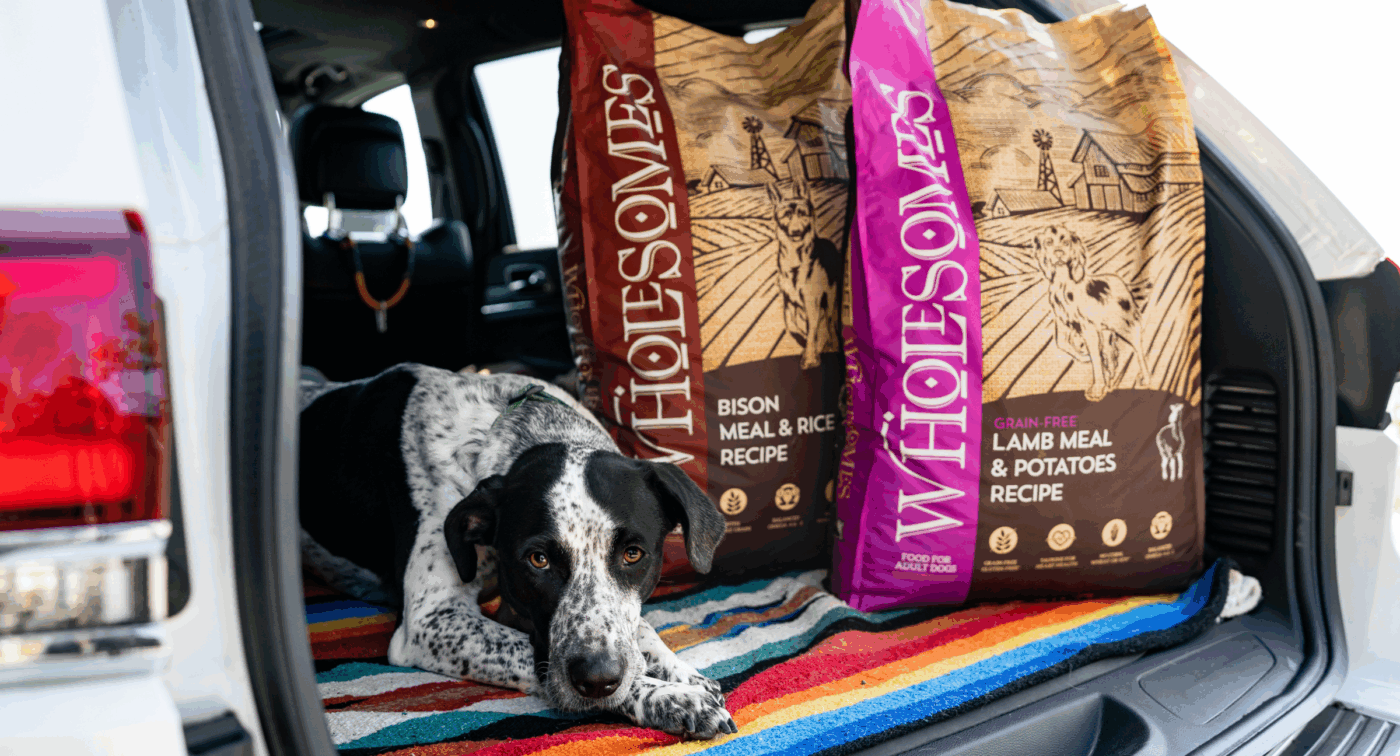
- Sensitive Stomach Dog Foods: Look for high quality, sensitive diets specifically formulated for digestive issues. Such as Wholesomes Sensitive Skin & Stomach with Salmon or Wholesomes Sensitive Skin & Stomach with Lamb
- Hypoallergenic Treats: Choose treats made with hypoallergenic ingredients to avoid triggering sensitivities.
- Cooling, Hypoallergenic Beds: Provide your dog with a comfortable, cooling bed to help them stay cool during hot summer days.
By understanding and managing dog food sensitivities, you can help ensure your furry friend enjoys a happy and healthy summer. With the right approach, you can navigate the challenges of food sensitivities and keep your dog feeling their best all season long.