
What Is Chicken Meal in Cat Food? Simple Guide
If you’ve ever read a cat food label and paused at the term chicken meal, you’re not alone. It’s one of those pet food ingredients that sounds a little technical at first, but once you understand what it means, it becomes much easier to see why it shows up in so many recipes.
In this article, we’ll answer the question, “what is chicken meal in cat food?” and explain how it’s made, why it’s used, and how it compares with fresh chicken and chicken by-product meal. We’ll also look at what to watch for on pet food labels so you can choose a recipe made with quality ingredients and the essential nutrients your kitty needs.
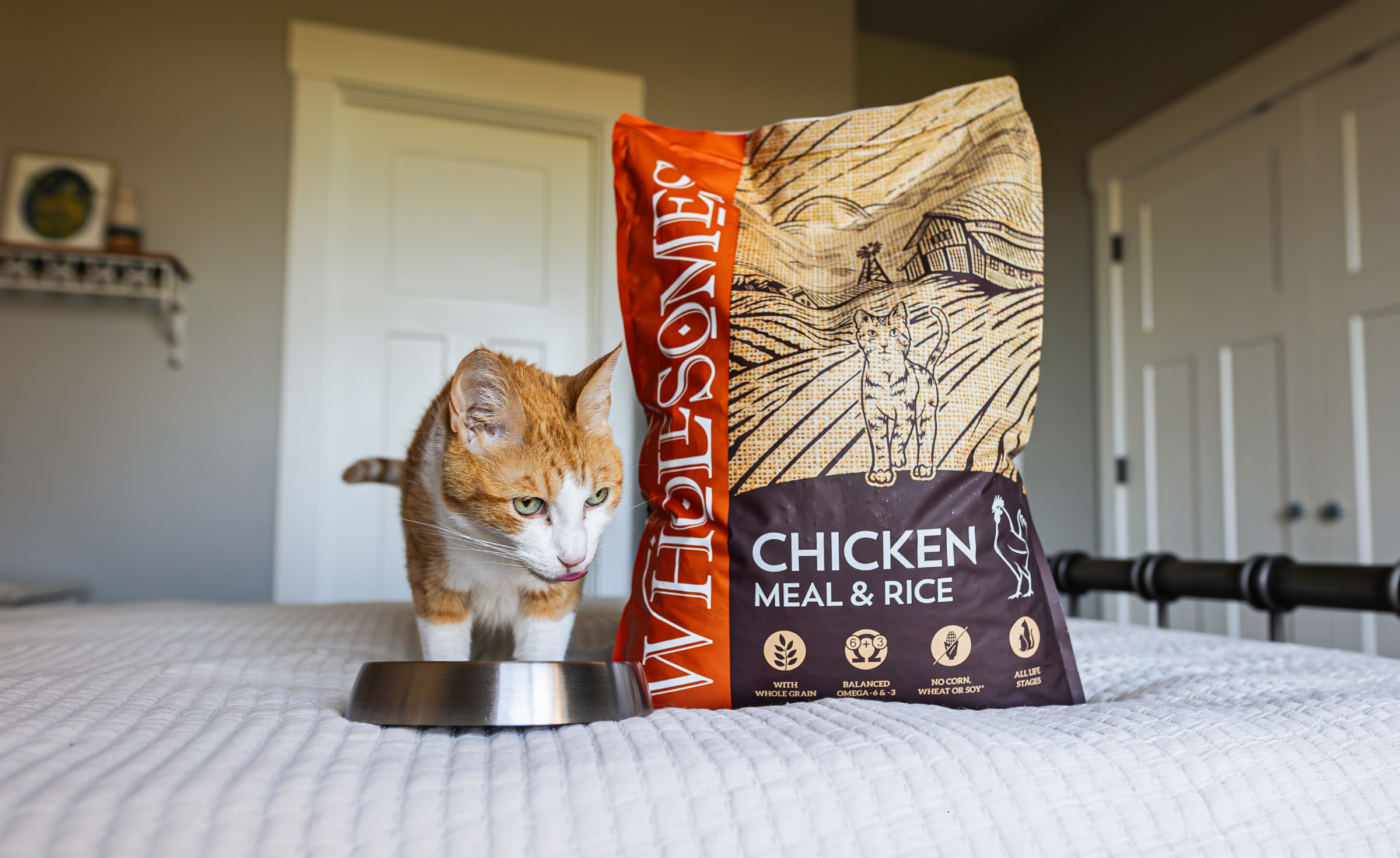
The Basics of Chicken Meal in Cat Food
When you first see chicken meal on a bag of cat food, it can sound less appealing than real chicken or fresh meat. But in commercial pet foods, ingredient names are tied to formal definitions, and those definitions matter much more than how the name sounds.
For cats, what matters most is whether an ingredient provides usable animal protein, supports strong protein levels, and fits into a complete, balanced formula. That’s why chicken meal remains a common ingredient in many pet foods, especially dry recipes designed to be nutrient-dense and shelf stable.
AAFCO Definition and Ingredient Standards
The term chicken meal is tied to standards set by the Association of American Feed Control Officials, often referred to as AAFCO. These standards help define what certain ingredients in pet food can and can’t contain.
Under those standards, poultry meal is generally described as rendered clean flesh and skin, with or without accompanying bone, derived from whole carcasses or parts of carcasses, but excluding feathers, heads, feet, and entrails except in such trace amounts as might occur during good processing practices.
When a species is named, such as chicken, the ingredient must come from that species. In simple terms, that means it’s a concentrated chicken ingredient made from the nutritious parts of chicken rather than random foreign matter.
Because the ingredient has to follow a definition, it isn’t just mystery meat. It’s a form of meat meal made from chicken that provides valuable nutrients, including protein and amino acids, in a concentrated form that works well in dry animal food.
How Chicken Meal Is Made
To understand why chicken meal is used so often, it helps to know how it’s produced. The process removes much of the moisture and fat from raw chicken material, leaving behind a dry, protein-rich ingredient that’s easier to use in kibble and other dry formulas.
That process is one reason pet food manufacturers rely on meal ingredients. Since cats need nutrient-dense food with plenty of animal protein, a dry ingredient with less water weight can deliver more nutrition per pound than many people expect.
The Rendering Process
Chicken meal is made through the rendering process, a controlled cooking process that uses high temperatures to remove moisture and separate fat from chicken tissue. After that, the remaining material is dried down into a concentrated ingredient, often ground into a fine powder or meal that can be blended into cat food recipes.
Because so much moisture is removed, chicken meal contains less water weight than fresh chicken. That matters because fresh meat can look more impressive on the label, but its weight includes a lot of water that doesn’t stay in the food after cooking.
In quality formulas, this process helps create a concentrated protein source that supports strong nutrition in a dry format. That’s one reason chicken meal is common in kibble and other shelf stable foods made for everyday feeding.
Why Chicken Meal Is Used in Cat Food
Cats are obligate carnivores, so their food needs to deliver plenty of animal protein and the right building blocks for daily health. That’s why ingredients like chicken meal are often included in recipes meant to provide reliable nutrition in a practical form.
In many dry foods, chicken meal helps deliver protein without adding excess moisture. It can also make it easier to create balanced recipes that support everything from muscle maintenance to energy needs, all while fitting the format of modern pet food.
Nutritional Benefits for Cats
Chicken meal can support several important parts of a cat’s diet. In a well-made recipe, it gives cats concentrated animal protein in a form that works especially well in dry food. Here are some of the key nutritional benefits of chicken meal for cats:
- High in protein. Chicken meal is rich in animal protein and provides important amino acids cats need every day. Because the moisture has already been removed, it can offer more protein by weight than fresh chicken in the finished food.
- Rich in nutrients. Along with protein, chicken meal can provide essential nutrients that support your cat’s daily health. When it’s used with other quality ingredients, it can help support energy, muscle maintenance, and overall condition.
- Works well in dry food. Chicken meal fits naturally into dry cat food because it’s already concentrated and low in moisture. That makes it a practical ingredient for recipes designed to be complete, balanced, and shelf stable.
Chicken Meal vs Fresh Chicken
This comparison can be confusing at first because fresh chicken usually sounds more natural than a rendered ingredient. But in pet food, the ingredient with the nicer name isn’t always the one that contributes the most protein after processing.
The key difference comes down to moisture. Fresh chicken, fresh meat, and other raw ingredients contain a lot of water, while meal ingredients have already had most of that moisture removed during production.
Which Provides More Protein for Cats?
Pound for pound before cooking, fresh chicken may appear higher on the ingredient list because it weighs more at the start. But much of that weight comes from water, so once the food is cooked, the final protein contribution may be lower than many pet parents expect.
By contrast, chicken meal has already been concentrated. That means it often provides more usable protein by weight in the finished product, which is one reason it’s so common in dry cat food and dog food recipes.
That doesn’t mean meal and chicken can’t both be useful. In fact, some formulas use both fresh chicken and chicken meal together so they get the flavor and appeal of raw chicken plus the denser protein contribution of a rendered ingredient.
Chicken Meal vs Chicken By-Product Meal
This is another comparison that often comes up when pet parents read ingredient panels. While the names sound similar, chicken meal and chicken by-product meal are not the same thing, and understanding that distinction can make labels easier to evaluate.
Both are rendered ingredients, but they’re defined differently and may include different parts of the bird. That’s why it helps to look closely at what each term actually means instead of assuming they’re interchangeable.
What Chicken Meal Contains
As mentioned earlier, chicken meal is generally made from chicken flesh and skin, with or without accompanying bone. In simple terms, it comes from the main body tissue of the bird rather than a wider range of chicken parts.
That’s why many pet parents see it as a straightforward meat ingredient. It’s a concentrated form of chicken protein made from chicken flesh and related tissues, and it’s commonly used when brands want a reliable protein source in dry food.
Because it follows a set definition, chicken meal doesn’t mean low-value scraps. In well-made foods, it can be a natural source of protein and valuable nutrients that supports a cat’s daily needs.
What Chicken By-Product Meal Contains
Chicken by-products are different because chicken by-product meal can include parts of the bird other than the main flesh and skin. Depending on the definition and sourcing, that may include organs and other tissues, and in poultry ingredients it can also involve items like undeveloped eggs.
That doesn’t automatically make it a bad ingredient. Some by-products can be nutritious, especially organ meats, which contain plenty of vitamins and minerals. Still, it’s different from chicken meal, and many pet parents prefer to know exactly whether a recipe uses chicken meal, poultry meal, or another rendered ingredient.
It’s also worth noting what these ingredients should not include. Standards are meant to exclude excessive foreign matter and certain unwanted materials. Reputable brands and responsible sourcing matter here, which is why ingredient quality and manufacturing standards are so important.
How to Choose a High-Quality Cat Food with Chicken Meal
When you’re comparing foods, chicken meal itself shouldn’t be the only thing you focus on. What matters most is the full recipe, how the nutrients work together, and whether the food is made to support your cat’s life stage and overall condition.
A high-quality formula should use chicken meal as part of a balanced nutritional approach, not as a shortcut. Here are a few practical things to look for when reading labels and comparing options:
- Check the protein source. Look for chicken meal identified clearly on the label rather than vague terms like generic meat meal. A named ingredient usually gives you a clearer idea of what protein your cat is actually eating.
- Read the full ingredient list. Chicken meal can work well when it appears alongside other carefully chosen pet food ingredients. The goal is a recipe built around useful nutrition, not just marketing terms like real chicken or whole foods.
- Look beyond the front of the bag. Claims on the front can catch your eye, but the details on pet food labels tell you much more. Check for complete and balanced nutrition, appropriate protein levels, and ingredients that fit your cat’s needs.
- Think about the finished food. In dry formulas, chicken meal can be especially helpful because it brings concentrated protein to dry dog food and dry cat food styles alike. Even though some shoppers compare it to fresh chicken, the lower moisture content can make it very useful in the final product.
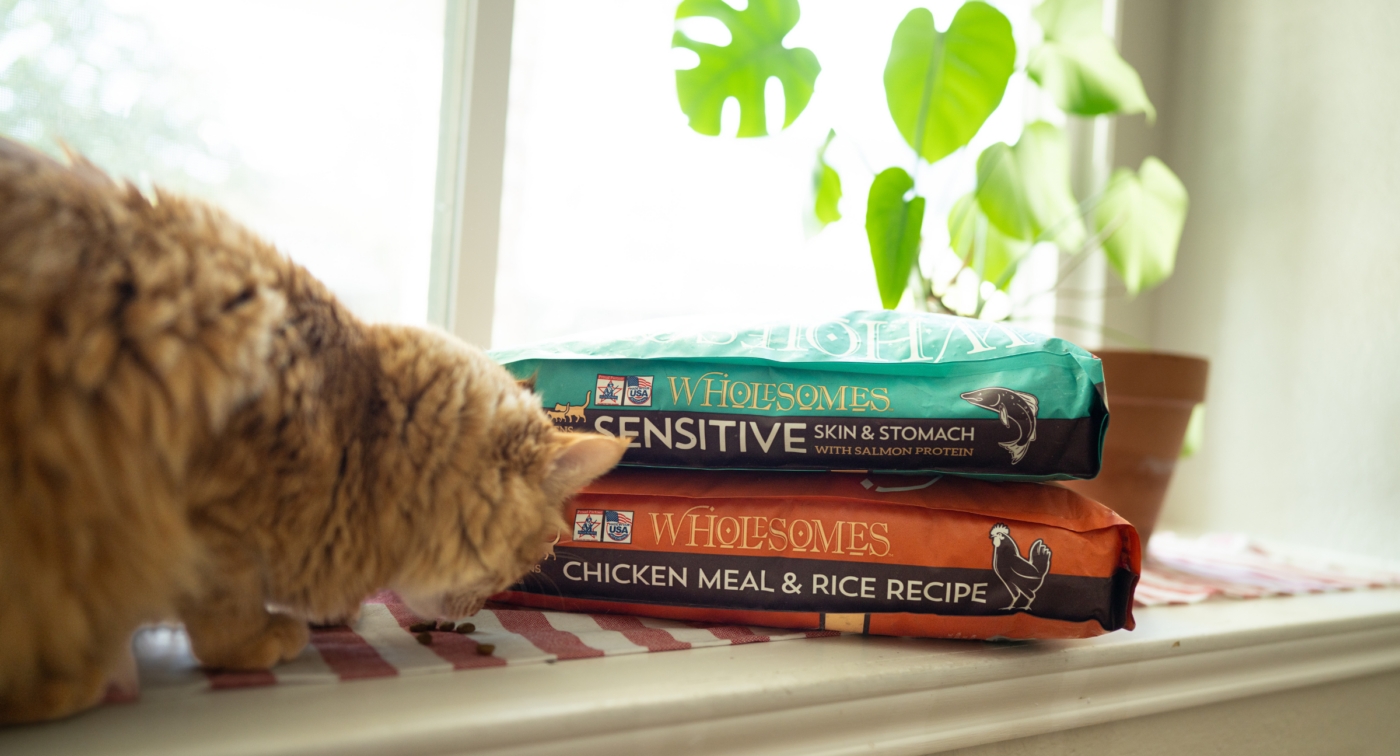
- Choose trusted recipes. At Wholesomes, we believe simple, nourishing recipes matter. Our Chicken Meal & Rice recipe shows how chicken meal can be used as part of a carefully crafted food that focuses on reliable nutrition and practical, everyday feeding.
Key Takeaways
- Chicken meal is concentrated. It’s made by removing moisture and fat through the rendering process. That leaves behind a dry ingredient with more concentrated protein than raw chicken by weight.
- It’s different from fresh chicken. Fresh chicken contains a lot of water, while chicken meal has already been dried down. That’s why chicken meal may contribute more protein to the finished food.
- It’s not the same as by-product meal. Chicken by-product meal follows a different definition and can include a wider range of tissues. Chicken meal is generally tied more closely to clean flesh, skin, and possibly accompanying bone.
- It can be a useful ingredient. In quality recipes, chicken meal can provide amino acids, essential nutrients, and dependable animal protein. For many cats, that makes it a practical part of complete daily nutrition.
- The whole formula matters most. A good food isn’t judged by one ingredient alone. What’s more important is the full recipe, where the ingredients come from, the overall nutrient balance, and whether the brand uses chicken meal as part of a high-quality, well-rounded formula.
What Should You Remember About Chicken Meal in Cat Food?
So, what is chicken meal in cat food? It’s a rendered, concentrated chicken ingredient that can provide dense protein, important amino acids, and other nutrients in a form that works especially well in dry foods. While the name may sound less familiar than fresh chicken, that doesn’t mean it’s lower quality.
The bigger picture is what matters most. When chicken meal is used in a well-made recipe with quality ingredients, it can be a practical, nutritious part of your cat’s diet. For pet parents, the best next step is to read labels closely, compare the whole formula, and choose food that supports your cat’s long-term health.