
What is Taurine?
By Reece Dosso
You want the best nutrition for your furry family member, and understanding taurine for dogs is a significant part of that trip. Taurine is an amino acid that plays a significant role in your dog’s overall health, supporting everything from heart function to vision and immune system strength. Dogs can typically produce taurine naturally in their bodies. However, certain breeds and dietary factors can lead to deficiency, which has been linked to serious heart conditions like dilated cardiomyopathy.
This piece will walk you through what taurine is and how dogs produce it. We’ll cover the main benefits of taurine for dogs and which foods are high in taurine. You’ll also learn about warning signs of taurine deficiency in dogs and discover that a taurine supplement might be right for your pet. Our goal is to help you make informed decisions about your dog’s nutrition and well-being.
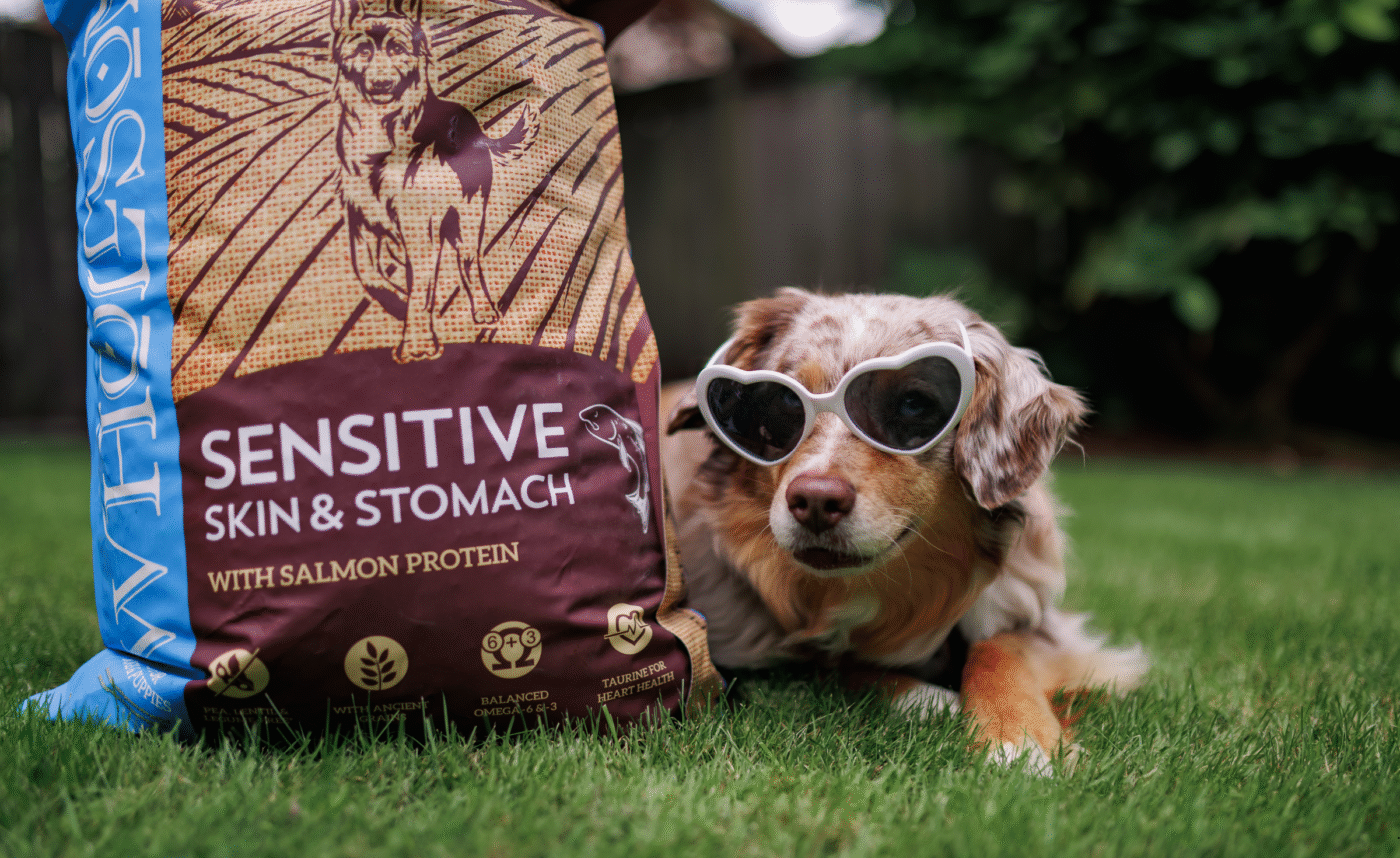
What Is Taurine for Dogs and How Is It Produced?
Taurine is an Amino Acid
Taurine, chemically known as 2-aminoethane-sulfonic acid, is a sulfur-containing amino acid found throughout your dog’s body. Most amino acids serve as building blocks for proteins, but taurine exists as a free amino acid and isn’t used in protein synthesis. This characteristic guides taurine being classified as a conditionally essential amino acid rather than a truly essential one.
The amino acid performs several key functions in your dog’s body. Taurine acts as an organic osmolyte involved in cell volume regulation and provides a substrate that forms bile salts to help with fat digestion. It also plays a role in modulating intracellular free calcium concentration.
How Dogs Combine Taurine Naturally
Dogs produce taurine through a biosynthesis pathway that starts with methionine and cysteine. The process involves cysteinesulfinic acid decarboxylase (CSD), which was originally identified in the liver as the rate-limiting enzyme in taurine biosynthesis. This enzyme is also present in the kidney and brain, where it’s localized in glial cells.
The synthesis pathway requires cysteine dioxygenase to oxidize cysteine to cysteine sulfinic acid. Decarboxylation through CSD follows this step. The final step involves oxidation of hypotaurine to taurine. Dogs need adequate amounts of vitamin B-6 and zinc for this synthesis process to work properly.
The Difference Between Dogs and Cats
The synthesis capability is different between dogs and cats. Dogs have high concentrations of all enzymes required for taurine biosynthesis in their livers. Cats exhibit very low activity of CSD, making taurine an essential nutrient that must come from their diet. So while dogs can meet their physiological needs for taurine through synthesis when precursors are abundant and bioavailable, cats cannot.
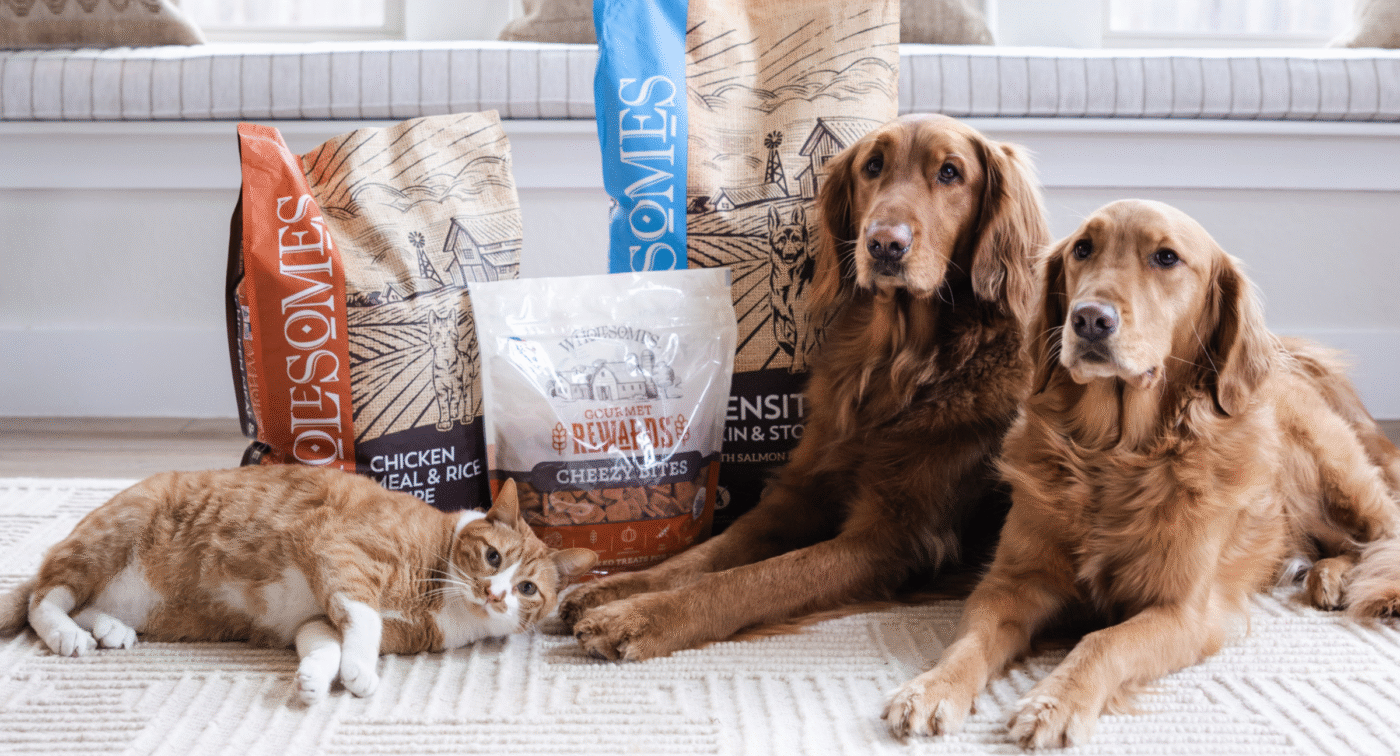
Role of Methionine and Cysteine in Taurine Production
Methionine and cysteine serve as the main precursor amino acids for taurine synthesis in dogs. These sulfur amino acids must be provided in sufficient quantities and in a digestible form through your dog’s food. Cysteine availability determines in vivo taurine synthesis by tissues that express the necessary enzymes. Animal-based proteins offer the best source of these building blocks. The amount, type, and digestibility of dietary proteins all influence whether your dog can produce enough taurine to meet their needs.
What Is Taurine for Dogs and Why Is It Important?
Taurine delivers multiple health advantages for your dog in various body systems. Understanding these benefits helps you recognize why adequate taurine levels matter for your pet’s well-being.
How Taurine Supports Heart Health in Dogs
Taurine regulates calcium levels in heart muscle, which will give efficient contractions and promotes overall cardiac function. It stabilizes cell membranes, regulates calcium transport, and reduces oxidative and inflammatory stress on cardiomyocytes. The amino acid improves heart muscle function and helps control heart rhythm. Taurine supports the movement of key minerals like sodium, potassium, calcium, and magnesium in and out of cells. This protects cell membrane stability and promotes healthy enzyme activity in cardiac muscle.
How Taurine Helps Protect Your Dog’s Vision
Taurine maintains the structure and function of the retina, the part of your dog’s eye that processes light. The amino acid acts as an antioxidant and helps prevent retinal degeneration and other serious eye diseases. Adequate taurine levels protect eyes from age-related damage and support clear vision. This becomes especially important for senior dogs prone to vision issues.
Taurine’s Role in Digestion for Dogs
Taurine participates in bile acid conjugation, which helps with the digestion and absorption of dietary fats. Taurine promotes the formation of bile acids and helps your dog digest and absorb dietary lipids effectively. This process ensures optimal nutrient utilization and reduces the risk of gastrointestinal issues like diarrhea and malabsorption.
How Taurine Supports the Immune System in Dogs
Taurine boosts immune cell function and reduces inflammation. It serves as an anti-inflammatory agent and antioxidant, helping protect your dog’s body against inflammatory diseases. This immunomodulatory function keeps your dog healthier and more resilient against illnesses.
Supports Brain and Nervous System Health
Taurine acts as a neuroprotective agent that supports healthy brain function. It regulates neurotransmitters and protects brain cells from oxidative stress. Taurine levels increase in the brain under stress, suggesting a protective role in managing anxiety and neurological challenges.
Food Sources of Taurine for Dogs
Animal-based proteins provide the richest dietary sources of taurine for dogs. Understanding which foods contain the highest concentrations helps you make better nutritional choices for your pet.
Meat and Organ Meats High in Taurine
Heart muscle contains the most taurine among all animal tissues. Beef, pork, and lamb meat contain taurine concentrations ranging from 3.5 to 4.0 micromoles per gram. Dark meat from poultry offers taurine levels that are by a lot higher than white meat. Chicken leg contains 6.6 micromoles per gram, while chicken breast has only 1.4 micromoles per gram. Rabbit meat contains lower taurine concentrations compared to other meat sources.
Organ meats like liver, kidneys, and hearts are great taurine sources for your dog. Cooking methods matter here. Heat that goes on too long reduces taurine levels by a lot, especially when you boil the meat, whereas raw feeding preserves it in its bioavailable form.
Fish and Seafood Sources
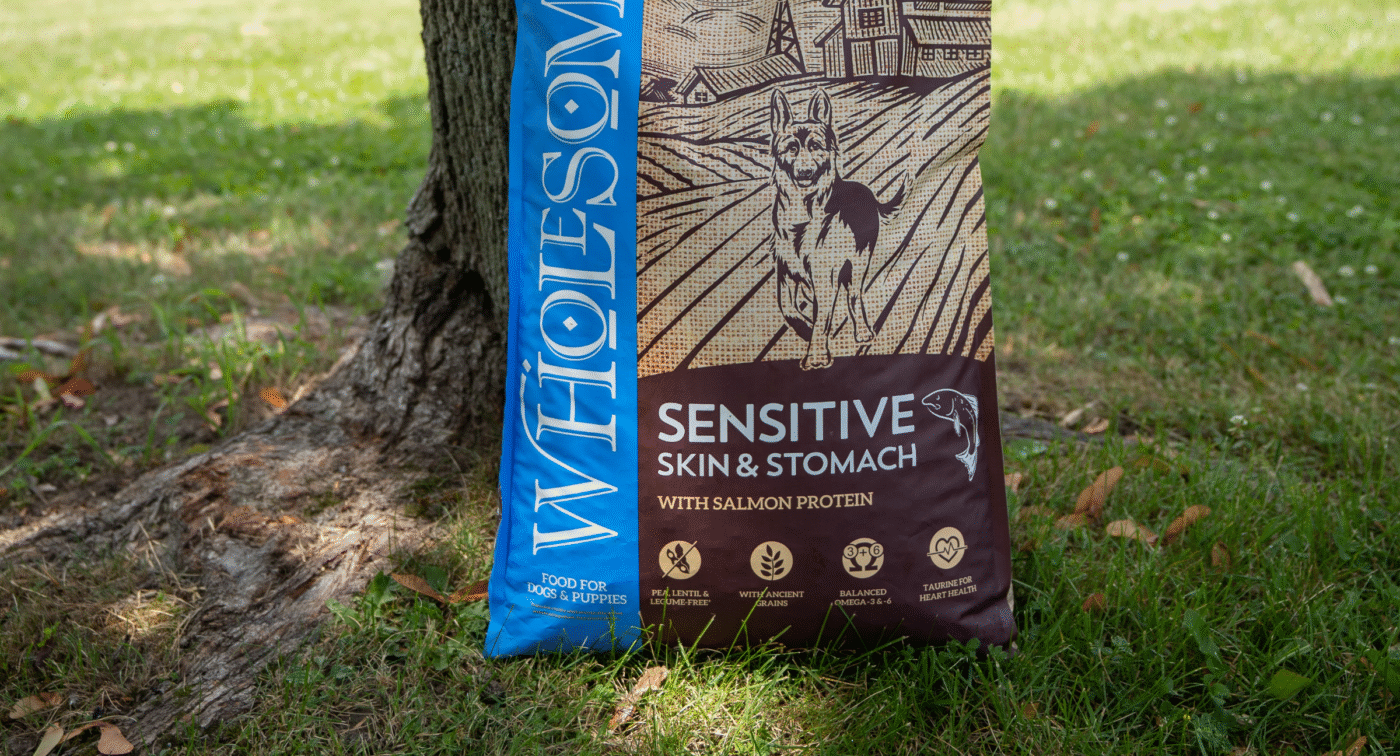
Seafood provides the highest taurine concentrations among all food sources. Clams contain 41.4 micromoles per gram, and octopus contains 31.2 micromoles per gram. Shrimp provides 12.4 micromoles per gram, and fish contains 9.1 micromoles per gram. Salmon, sardines, and shellfish like clams are great protein sources rich in taurine[142].
Why Plant-Based Foods Lack Taurine
Taurine remains undetectable in fruits and vegetables. Rice, corn, oatmeal, rye, wheat, barley, and sesame seeds contain no taurine. No taurine was detected in legumes including garbanzo, lima, red and pinto beans, garden and blackeye peas, and lentils. Plant products contain either low or undetectable amounts of taurine.
Taurine in Dog Food: What to Look For
Processing procedures in manufacturing dog foods may alter taurine concentrations found in end products. Many pet food companies add taurine to their products, though no stated requirements exist to supplement dog food with taurine[114]. Diets high in fiber might contribute to taurine deficiency because some fiber sources, like legumes, deplete the amino acid.
What Is Taurine Deficiency in Dogs?
Recognizing taurine deficiency in dogs requires understanding which animals face the highest risk and what warning signs to watch out for.
Dog Breeds at Higher Risk for Taurine Deficiency
American Cocker Spaniels, Golden Retrievers, Labrador Retrievers, Newfoundlands, Saint Bernards, Portuguese Water Dogs, Great Danes, Boxers, Irish Wolfhounds, Doberman Pinschers, English Setters, and English Bulldogs show predisposition to taurine deficiency. Large and giant breeds face higher risk than small dogs since they produce taurine at a much slower rate. Big dogs produce less taurine than toy breeds even when fed similar diets.
Symptoms of Low Taurine Levels
Watch for decreased energy, coughing, difficulty breathing, and episodes of collapse. Many more signs include exercise intolerance, lethargy, loss of appetite, abdominal distention, pale or blue gums, weakness, and loss of consciousness.
Connection to Dilated Cardiomyopathy (DCM)
Taurine deficiency links directly to DCM, where heart muscle thins and chambers enlarge. Recent cases appear in atypical breeds like Boston Terriers fed grain-free or homemade diets. Diets high in peas, lentils, and legumes have been associated with DCM development.
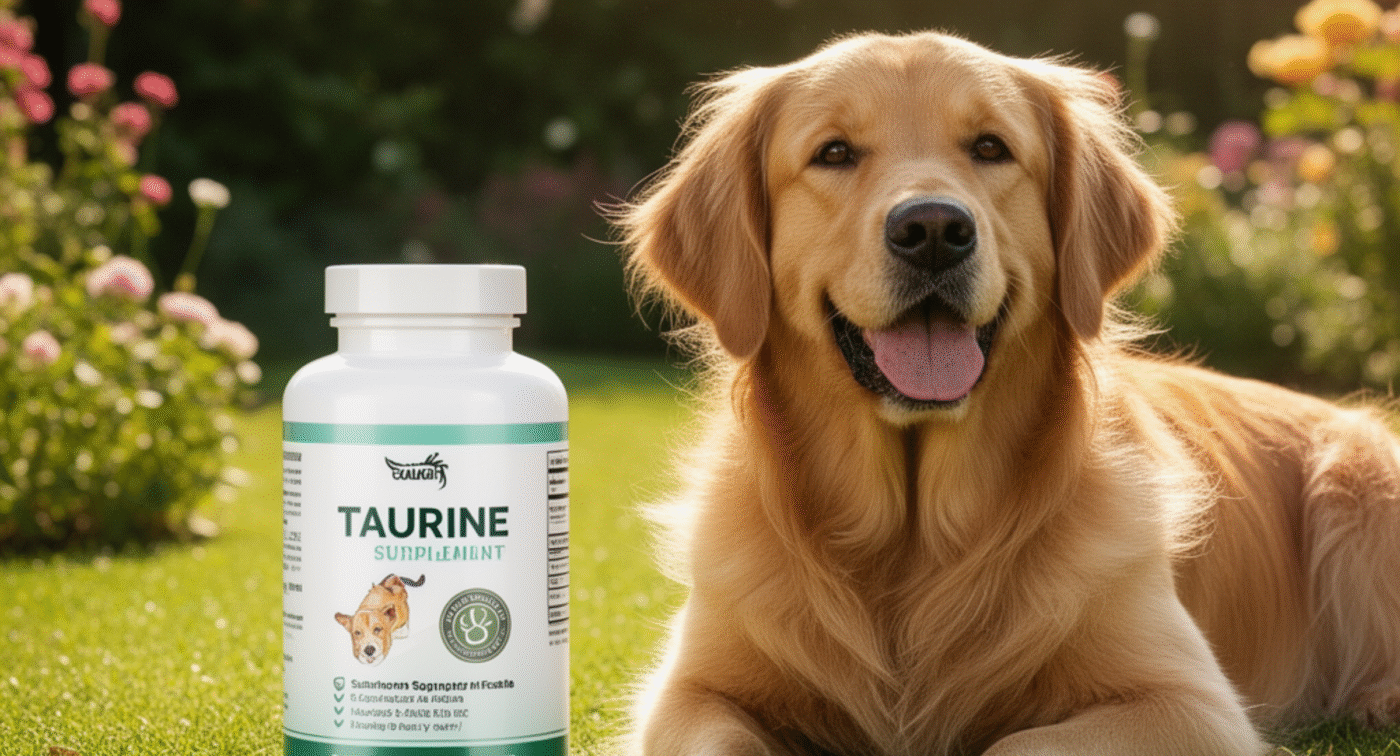
When to Think About Taurine Supplements for Dogs
Think about supplementation if your dog belongs to an at-risk breed, eats grain-free or legume-rich food, shows DCM symptoms, or has diagnosed heart disease.
Blood Taurine Levels Testing
Whole blood taurine testing costs $100 to $200 at Wisconsin Veterinary Diagnostic Lab or UC Davis. Results take 5-7 days[203]. Normal range is 200-350 nmol/mL, with critical levels below 150 nmol/mL[203].
Recommended Dosage for Dog Taurine Supplement
Dogs under 25 kg need 500-1000 mg two to three times daily. Dogs over 25 kg require 1-2 grams two or three times per day.
Conclusion
Taurine plays a vital role in your dog’s heart health, vision, digestion, and immune function. Most dogs produce taurine naturally, but certain breeds and grain-free diets can lead to dangerous deficiencies linked to dilated cardiomyopathy. High-quality animal proteins like meat, organ meats, and seafood provide the best taurine sources for your dog. Watch for warning signs in at-risk breeds and consult your veterinarian about testing if you suspect deficiency. Your dog’s long-term health depends on proper taurine levels.