
Why Is My Cat Losing Weight? Common Causes and How to Help
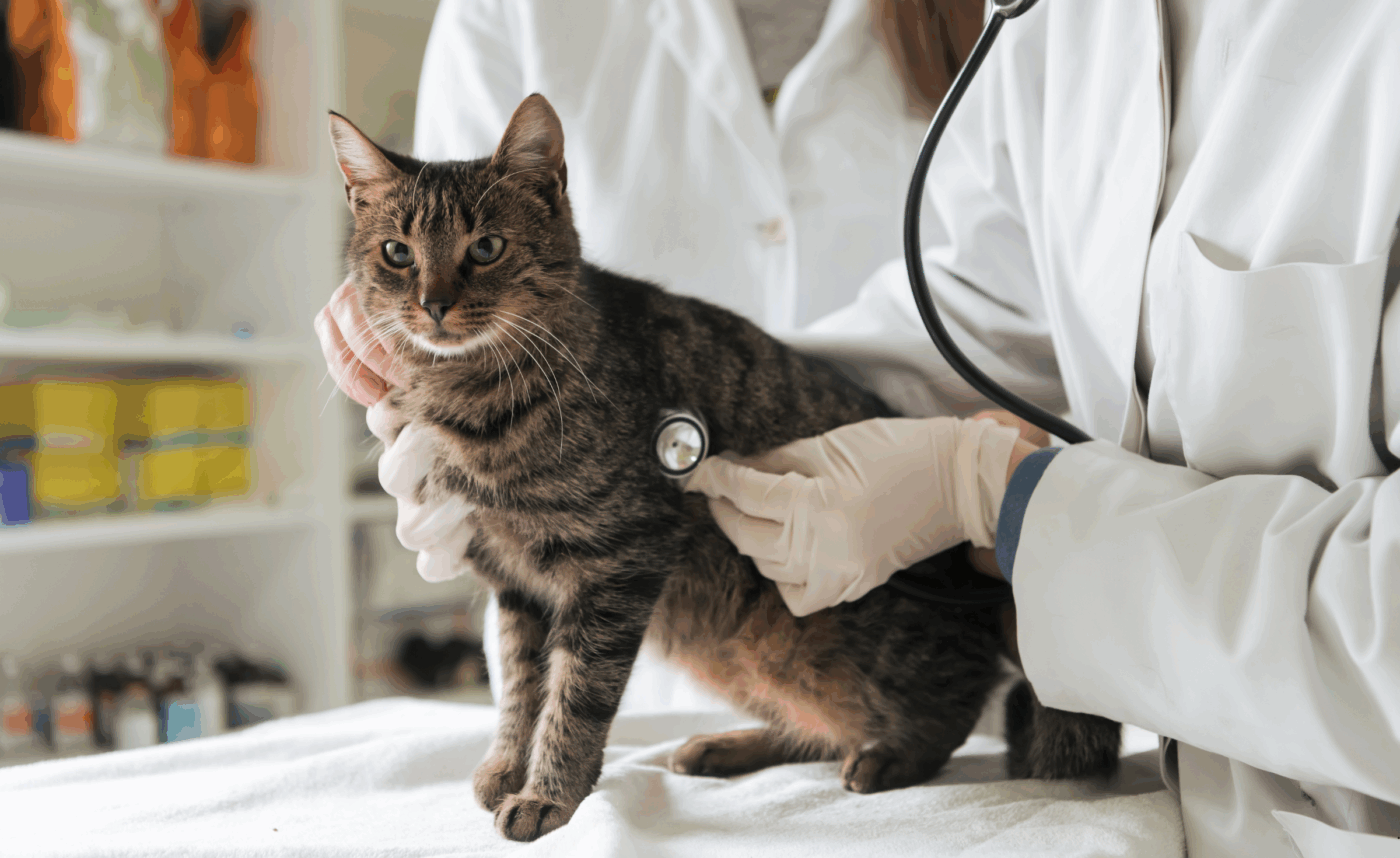
If you’ve noticed your cat is losing weight without any obvious reason, it’s understandable to be concerned. Unexplained weight loss in cats can be a sign of an underlying health issue, and catching it early can make a big difference in your cat’s long-term wellbeing.
In this guide, we’ll cover the warning signs to look for and the most common reasons for weight loss in cats. Plus, we’ll take a look at the steps you can take to help your feline friend recover and stay healthy.
Signs Your Cat May Be Losing Weight
Cats are experts at hiding discomfort, which is why it’s important for pet parents to stay alert to even the smallest changes. Spotting weight loss early can help you take action before the situation worsens.
Physical Signs to Watch For
Weight loss isn’t always obvious at first glance, but there are several physical signs that can alert you. These clues can help you determine if your cat’s weight is dropping and whether further evaluation is needed:
- Visible bones. You may start to see or feel your cat’s ribs, spine, or hips more than usual. This typically means your cat has dropped below their ideal weight and may need a veterinary checkup.
- Loose skin or reduced muscle tone. Sagging skin and decreased muscle mass are indicators that your cat isn’t maintaining a normal weight. These signs are especially common in older cats.
- Dull coat condition. A healthy coat often reflects internal wellbeing. If your cat’s fur looks scruffy or lacks shine, it could point to nutritional issues or gastrointestinal problems.
- Changes in litter box habits. Your cat’s feces might appear loose, oily, or different in volume. These changes may relate to food sensitivities or other health conditions.
- Noticeable drop on the scale. If you weigh your cat regularly and notice even small losses, especially over short periods, it’s worth contacting your vet.
Behavioral and Routine Changes
Beyond physical clues, your cat’s behavior often signals that something’s not right. Here are a few examples to watch for:
- Eating less. A reduced appetite or skipped meals can be the first indication of illness or dental issues. It may not be immediately noticeable if your cat grazes or shares a food bowl with others.
- Lingering at the food bowl. Some cats act like they want to eat but don’t finish their meals. Issues like dental problems or nausea could be making eating uncomfortable.
- Increased thirst or urination. Excessive urination and thirst often indicate conditions like feline diabetes or kidney disease. These symptoms frequently appear before rapid weight loss.
- Withdrawing or hiding. Cats experiencing discomfort may hide more or become less social. This behavior is often overlooked but can point to underlying health issues.
- Changes in activity. A cat that becomes less playful or sleeps more than usual may be losing energy due to fewer calories or medical conditions.
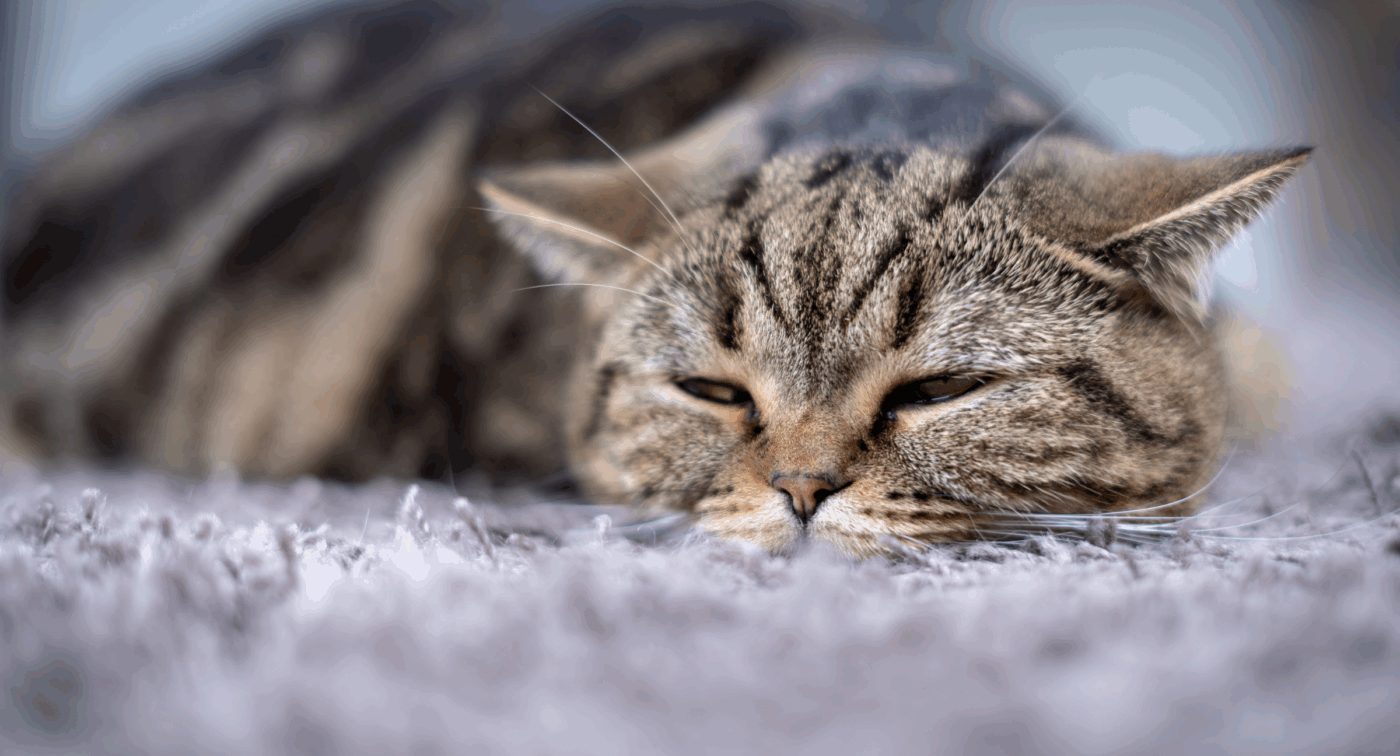
Medical Causes of Weight Loss in Cats
Unintentional weight loss is often a sign of an underlying medical issue. Catching it early and getting veterinary care can make all the difference in managing the problem. Here are some common medical causes of weight loss in cats:
Hyperthyroidism
Hyperthyroidism is a common condition in older cats. It occurs when the thyroid gland produces too much hormone, speeding up metabolism. Most cats with this condition eat more yet still experience rapid weight loss.
Other symptoms may include vomiting, increased appetite, high blood pressure, and hyperactivity. Your vet can confirm hyperthyroidism through blood work and recommend treatment like oral medications or radioactive iodine therapy.
Feline Diabetes
Feline diabetes affects how a cat’s body uses glucose. If they can’t produce insulin properly, sugar builds up in the bloodstream, leading to excessive urination, increased thirst, and weight loss.
Cats with diabetes may also have a reduced appetite or stop eating altogether. Treatment typically includes insulin injections, oral medications, and a carefully managed diet. In addition, regular monitoring plays a vital role in preventing further complications.
Kidney Disease
Kidney disease is another common reason cats lose weight, especially in senior cats. As cats age, their kidneys may not filter waste as well, which can lead to toxins building up in their bloodstream.
Signs include frequent urination, increased thirst, and sudden weight loss. A physical examination, urine tests, and blood work can help diagnose kidney issues. While not curable, the condition can be managed with a special diet, medications, and hydration support.
Other Conditions That Can Cause Weight Loss
There are many other health conditions that may cause weight loss in cats. These include heart disease, intestinal parasites, infections, and even cancer. A benign tumor might seem harmless but can affect hormone production or digestion.
These issues often require diagnostic testing to confirm. If your vet suspects a serious cause, they may recommend imaging, lab work, or a weight loss program designed to support recovery.
Dental Issues That Affect Appetite
Cats use their mouths not only for eating but also for grooming, making dental health essential. Untreated dental issues can affect their appetite and even lead to weight loss over time.
Common Dental Problems in Cats
Common issues include gum disease, tooth fractures, and inflamed gums. You may notice signs like drooling, bad breath, pawing at the mouth, or even bleeding and swelling in your cat’s mouth.
Because dental problems are hidden from view, many cat owners miss them until a vet points them out during a dental exam. Left untreated, these conditions often worsen and affect a cat’s ability to eat.
How Dental Pain Leads to Weight Loss
If your cat experiences pain while eating, they might stop eating altogether or start chewing only on one side of their mouth. You may also notice them spending more time at the food bowl or leaving their food untouched. Even when they’re hungry, they may avoid eating due to pain and discomfort.
Over time, this can cause weight loss and impact your feline friend’s health. Treating dental problems quickly can help them eat properly, feel better, and maintain a healthy weight.
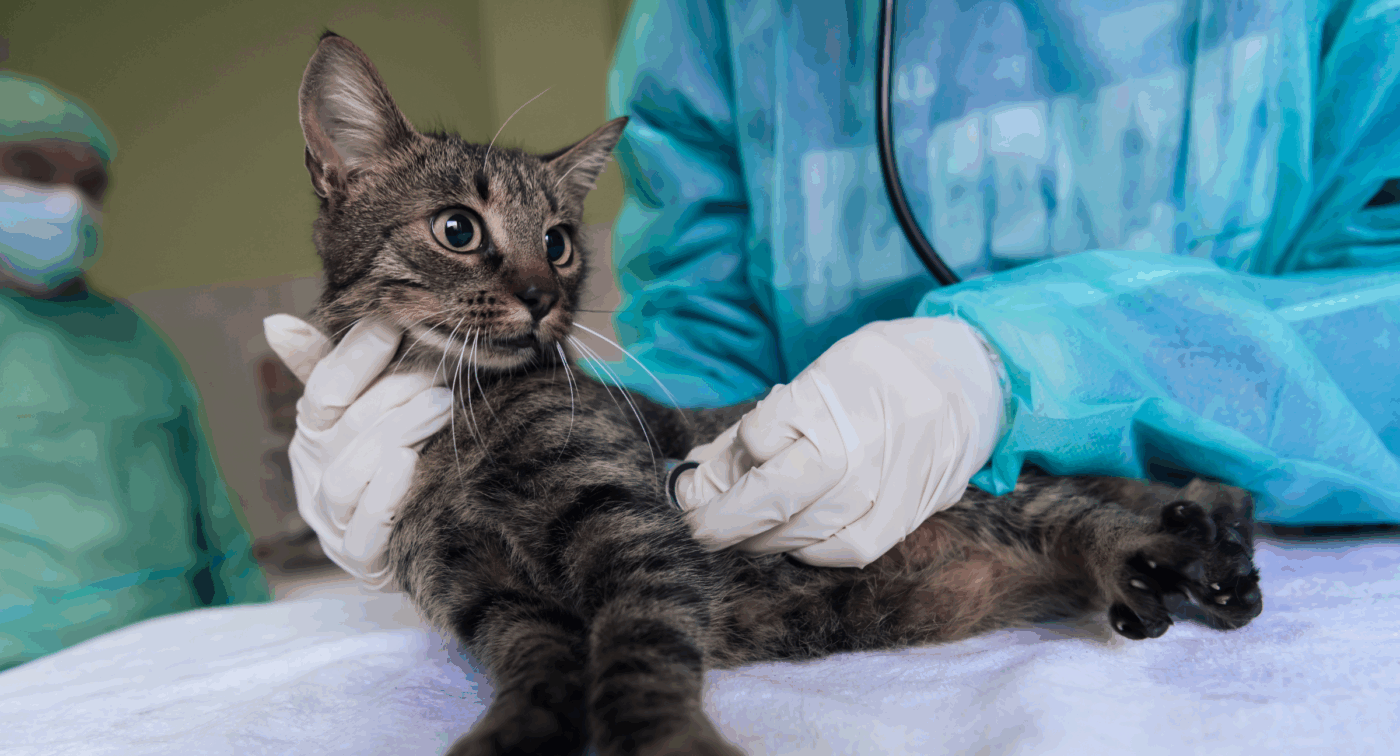
Gastrointestinal Problems and Food Sensitivities
Sometimes, cats lose weight because of digestive issues or trouble absorbing nutrients. These problems can be hard to spot until the weight loss becomes noticeable. Let’s take a look at a few common gastrointestinal problems that can cause weight loss in cats.
Inflammatory Bowel Disease (IBD)
Inflammatory bowel disease involves chronic inflammation in the gastrointestinal tract. It interferes with digestion and can cause vomiting, diarrhea, and loss of appetite.
Cats with IBD often eat but don’t gain weight because they absorb fewer calories. Treatment may involve oral medications, diet changes, and managing inflammation through a weight loss program prescribed by your vet.
Food Allergies and Intolerances
Food allergies or intolerances can trigger gastrointestinal upset and prevent the body from absorbing nutrients. These cats may have chronic diarrhea, vomiting, or soft stools.
Symptoms often resolve once the allergen is removed from the diet. Special diets or novel protein sources are typically used to help maintain ideal weight and avoid flare-ups.
Environmental and Lifestyle Factors
Not all causes of weight loss in cats are medical. Environmental changes and stress also affect appetite and metabolism. Here are some factors that could contribute to weight loss in cats:
Stress and Environmental Changes
Cats are sensitive creatures, and changes in their environment can easily stress them out. Things like moving, bringing home a new pet, or loud noises can make them feel uneasy. When cats are stressed, they might eat less or hide more, which can lead to unintentional weight loss.
You may not always see obvious signs of stress, so pay attention to eating habits, behavior around the food bowl, and social interaction. Keeping a calm environment and sticking to regular routines can help reduce stress and anxiety.
Age-Related Factors
As cats age, their metabolism slows down, and they may become less active. However, age alone doesn’t usually cause dramatic weight loss.
Older cats may eat less due to dental issues, health conditions, or decreased senses of smell and taste. Routine monitoring of your senior cat’s weight is important to catch issues early and help them enjoy a long and healthy life.
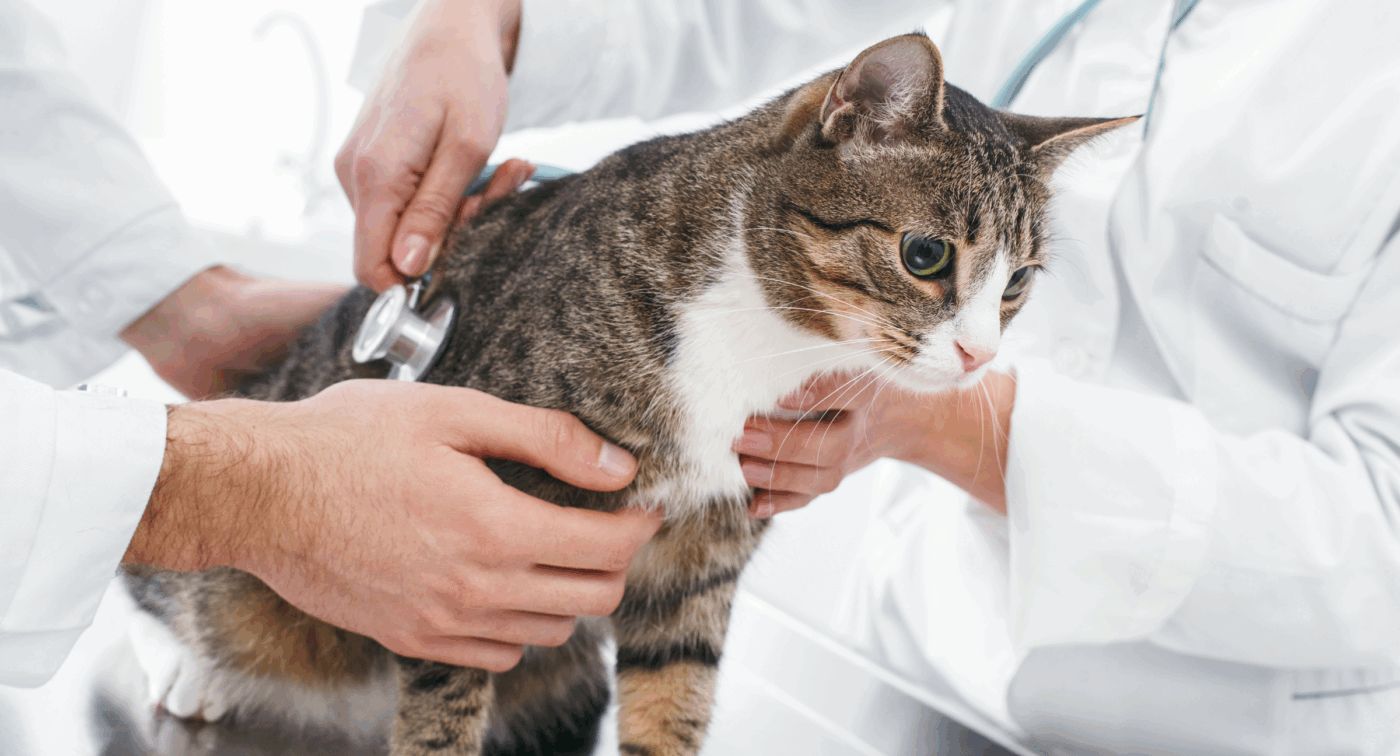
When to See a Vet
If your cat is losing weight rapidly or shows other signs like increased thirst, frequent urination, or vomiting, it’s time to contact a vet. Don’t wait for multiple symptoms to appear – early intervention can make a big difference.
Your vet will conduct a physical examination, blood work, and urine tests to determine what’s causing the weight loss. Depending on the results, your cat may need a treatment plan to stabilize and recover.
How to Help Prevent Weight Loss in Cats
Now that we’ve discussed the potential causes and signs of weight loss in cats, let’s take a look at how we can help prevent it.
Nutrition and Routine Feeding
Provide your cat with complete, balanced meals tailored to their life stage, ensuring they get enough calories to match their age and activity level. For senior cats or those with medical needs, a specialized diet might be the way to go.
It’s also important to feed your cat at consistent times each day to help maintain a feeding routine. This makes it easier to monitor their appetite and detect changes early. If needed, serve multiple smaller meals throughout the day to encourage eating.
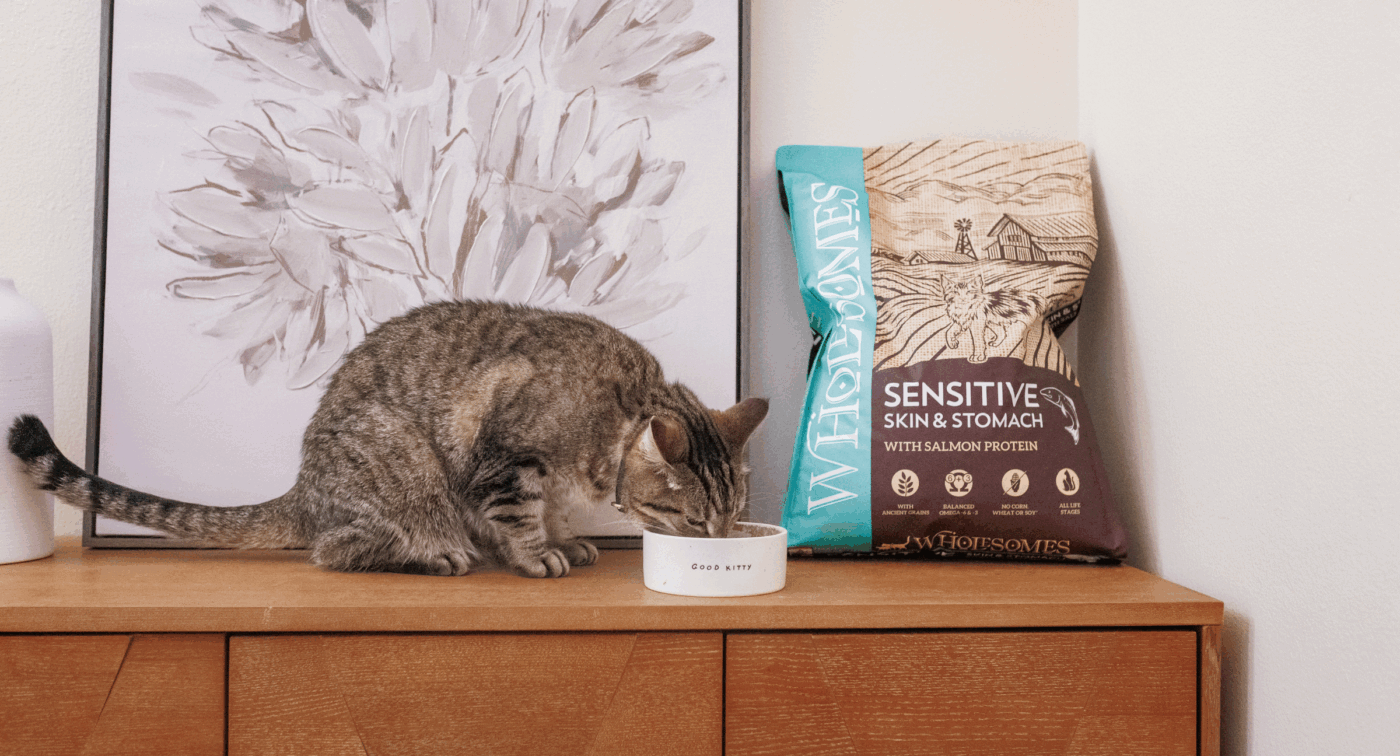
If you’re looking for a high-quality food to support your cat’s weight and overall health, Wholesomes Cat Food is a great option. Our recipes feature real proteins like chicken or whitefish, fiber-rich grains, and no artificial additives – making them ideal for everyday feeding or cats with sensitive stomachs.
With balanced nutrients and added taurine for heart and vision support, Wholesomes helps maintain your cat’s wellbeing while delivering complete, tasty nutrition in every bite.
Managing Stress and Environment
Create a safe, stable home for your cat by keeping noise levels low and minimizing sudden changes. If you’ve introduced a new pet or moved recently, allow your cat time and space to adjust.
In addition, place food and water bowls in quiet areas, and provide hiding spots or vertical spaces to help them feel secure. Consistent daily routines and gentle interactions can also lower stress and support overall wellbeing.
Supporting Recovery and Managing Weight Loss
Helping your cat recover involves treating the cause and supporting their nutritional and emotional needs. This may mean giving oral medications, adjusting the food type, or managing stress levels in the home.
Talk to your vet about a customized recovery plan. Some cats benefit from appetite stimulants, dietary supplements, or frequent meals until they reach a healthy weight again. Close monitoring is essential to track progress and avoid relapse.
Key Takeaways
- Weight loss in cats can have many causes. Medical issues, dental pain, food sensitivities, and stress are common contributors.
- Watch for both physical and behavioral signs. Reduced appetite, visible bones, changes in energy, and litter box habits all provide clues.
- Hyperthyroidism, feline diabetes, and kidney disease are major health risks. These conditions often require blood work, medications, and ongoing management.
- Dental problems can cause eating pain. Issues like gum disease and tooth fractures are treatable but often overlooked.
- Gastrointestinal issues affect nutrient absorption. Inflammatory bowel disease and food allergies may lead to chronic weight loss.
- Environmental factors play a role. Stress from a new pet, loud noises, or moving can cause changes in eating behavior.
- Prevention starts with routine care. Feeding high-quality food, keeping a consistent environment, and monitoring your cat’s weight can help catch problems early.
- Veterinary care is essential. Any unexplained or rapid weight loss should be evaluated by a vet as soon as possible.
What Should You Do If Your Cat Is Losing Weight?
Weight loss in cats is often a signal that something isn’t right, especially if it’s sudden or paired with other symptoms. From medical conditions like feline diabetes and kidney disease to dental issues and environmental stress, many factors can cause weight loss in cats.
As a pet parent, your role is to stay observant, take action when you notice changes, and seek veterinary care when needed. Whether it’s adjusting your cat’s food, managing stress, or starting a treatment plan, early intervention gives your cat the best chance at staying healthy and happy for years to come.