
Is Olive Oil Safe for Cats? Better Oils for Feline Health
It’s common for cat parents to wonder whether certain human foods are safe for their pets. One question that often comes up is: is olive oil safe for cats? Olive oil, often called “liquid gold” for its health benefits in humans, is one of those ingredients that sparks curiosity. You may even have heard that a little olive oil can help with constipation or improve coat health in cats.
But while we humans use olive oil daily in cooking, salad dressings, and more, it doesn’t mean it’s good for your kitty. In this article, we’ll look at whether cats can have olive oil, the risks of feeding it, and which alternatives provide healthier fatty acids for your feline friend.
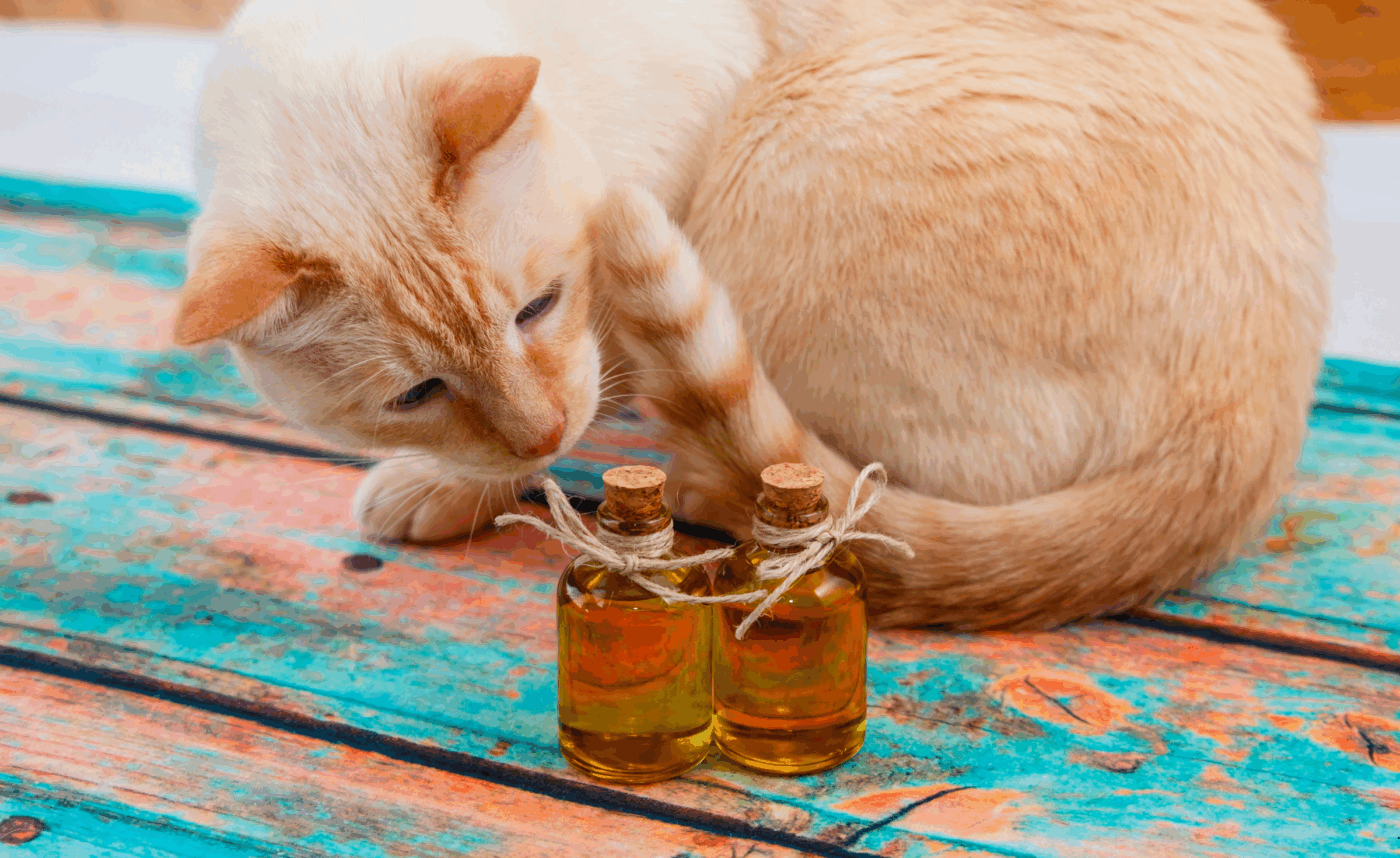
Is Olive Oil Safe for Cats? What You Need to Know
Cats can technically consume olive oil in small amounts without it being toxic. If your kitty licks a bit off your plate, there’s no need to panic. Extra virgin olive oil contains antioxidants and vitamin E, both of which are beneficial to humans.
However, just because cats eat olive oil safely in small quantities doesn’t mean it should be a regular part of your cat’s diet. So, if you’re wondering, is olive oil safe for cats as a supplement, the answer is: not really better options exist that meet their nutritional needs. That’s why it’s best to avoid making olive oil a routine addition to your cat’s food.
Why Olive Oil Isn’t a Great Choice for Cats
Olive oil may have health benefits for people, but it doesn’t meet the unique nutritional needs of obligate carnivores like cats. Here are the main reasons why it’s not the best option:
Nutritional Limitations
Olive oil is primarily fat and doesn’t contain the essential fatty acids cats need to thrive. Unlike fish oil or krill oil, olive oil lacks the omega-3s that support a cat’s immune system, coat, and overall health. While it does provide calories, it offers little else that’s beneficial for your furry friend.
Cats need animal-based nutrients to live long and healthy lives, which is why relying on olive oil as a supplement doesn’t make sense for a cat’s food plan.
Digestive Upset
Some cats may tolerate a little olive oil, but others can develop diarrhea or vomiting if they consume olive oil regularly. It’s a rich fat that isn’t always easy for a cat’s digestive system to process. Giving your kitty even one teaspoon too often could lead to messy litter box issues.
In rare cases, cats that eat large olives or pieces of olive flesh could face a choking hazard or even an intestinal blockage. Because of these risks, olives and olive oil are not the best additions to a cat’s diet.
Weight Gain and Obesity
Olive oil is calorie-dense. This means that adding it to your cat’s food frequently may contribute to weight gain, especially in overweight or diabetic cats that already need careful diet management.
While we humans may see the benefits of olive oil for heart health, cats fed extra calories from oil could end up with obesity-related health concerns like kidney disease or heart disease. For cats, maintaining a lean weight is far more important than getting extra fat from human food sources.
Better Alternatives to Olive Oil for Cats
If you’re interested in supporting your cat’s skin, coat, or overall wellness, there are better fats to choose from. These oils are more aligned with a cat’s natural dietary needs:
Fish Oil
Fish oil is one of the most effective supplements for cats. It’s packed with essential fatty acids, especially EPA and DHA, which support healthier skin, coat condition, and joint function. Adding fish oil in moderation can reduce dandruff and help cats with dry skin. It also promotes heart health and strengthens the immune system.
Unlike olive oil, which mainly provides calories, fish oil is nutrient-dense. Its benefits go beyond coat care by supporting brain health, cardiovascular function, and even kidney health in older cats.
Some vets also recommend fish oil to help manage inflammation and joint pain, making it useful for aging kitties that may struggle with mobility.
Cats love the taste of fish, so many enjoy fish oil mixed directly into their wet food or dry food. Just be careful to introduce it slowly and watch portion sizes, since too much oil of any kind can upset a cat’s stomach.
Krill Oil
Krill oil offers similar benefits to fish oil but may be easier for cats to absorb. It contains omega-3s along with natural antioxidants that support coat and skin health. Many cat parents find that krill oil improves shine and reduces shedding, making it a great choice for furry friends with coat issues.
Krill oil also provides phospholipids, which help omega-3s integrate into cell membranes more efficiently than in fish oil. This means your cat may get the benefits of omega fatty acids even with a smaller dose. For picky eaters or cats that turn up their nose at fish oil, krill oil can be a convenient and effective alternative.
Some studies suggest krill oil may also support better heart function and help regulate fat metabolism, which can be particularly useful for overweight cats.
Coconut Oil
Coconut oil is another alternative, though it should still be fed in moderation. A small amount can help with dry skin, dandruff, or minor digestive problems like occasional constipation. Coconut oil is rich in medium-chain triglycerides, which may support energy metabolism.
While coconut oil doesn’t replace the need for omega-3s, it can be beneficial for coat and skin health when used occasionally. Some cat parents also use coconut oil topically to reduce flaky skin or help soothe irritated areas.
Cats that struggle with hairballs may also benefit, as a little coconut oil added to food can improve digestion and promote more regular bowel movements. Still, it should be introduced carefully and used as a supplement, not a staple of your cat’s diet.
Why Omegas Are Essential for Cats
Essential fatty acids play a vital role in your cat’s health. Omegas support healthier skin, reduce inflammation, boost the immune system, and promote a glossy coat. They’re also linked to brain development and can help protect against chronic conditions like heart disease or kidney disease.
For cats with dry skin or dandruff, adding a source of omega-3s can make a visible difference in coat quality within a few weeks. Omegas also support cell repair, circulation, and immune defense, which helps cats stay healthier overall.
Unlike humans, cats can’t produce these fatty acids on their own, which means they must get them from food. Oils rich in omega-3s, such as fish oil or krill oil, provide the nutrients your kitty actually needs, unlike olive oil, which offers calories but limited benefits. Even diabetic cats and senior cats can safely benefit from these healthier fats when used under veterinary guidance.
At Wholesomes, we know how important omegas are for your cat’s diet, which is why our cat food recipes are crafted with balanced omega fatty acids. Our formulas help support a shiny coat, healthier skin, and overall wellbeing, while providing complete and balanced nutrition for your feline friend. This makes them a safer, more beneficial choice than trying to add olive oil or other human food oils to your kitty’s meals.
Key Takeaways
- Is olive oil safe for cats? While not toxic, it doesn’t meet their nutritional needs — and better oils exist for supporting their health.
- Olive oil has limitations. While extra virgin olive oil is healthy for humans, it lacks the essential fatty acids cats require.
- Better options exist. Fish oil, krill oil, and coconut oil are safer and more beneficial for your cat’s diet.
- Omegas are vital. Choosing supplements with omega-3s supports healthier skin, coat, and long-term wellbeing.
- Formulated recipes are best. Foods with added omegas, like Wholesomes recipes, give your cat balanced nutrition without the risks of adding human oils.

The Bottom Line on Olive Oil for Cats
So, is olive oil good for cats? While a little olive oil won’t harm your kitty, it’s not something that should be fed regularly. Cats thrive on nutrients from animal-based sources, not human cooking oils. If you want to give your feline friend a boost for coat health or regular bowel movements, fish oil or krill oil are far better choices.
Before adding any supplement to your cat’s food, it’s always smart to check with your veterinarian. That way, you’ll know you’re giving your cat what’s truly beneficial for their unique health needs.