
Pet Food Labels: How to Read a Pet Food Label?
By Emma Lasher
Understanding how to read a pet food label is essential for every pet owner who wants to provide the best nutrition for their furry companions. With a variety of options available, from dry kibble to wet food and specialized diets, navigating pet food nutritional labels can be overwhelming. This guide will break down the components of pet food labels, explain what to look for in dog food and cat food, and help you make informed decisions about their diet.
The Importance of Pet Food Labels
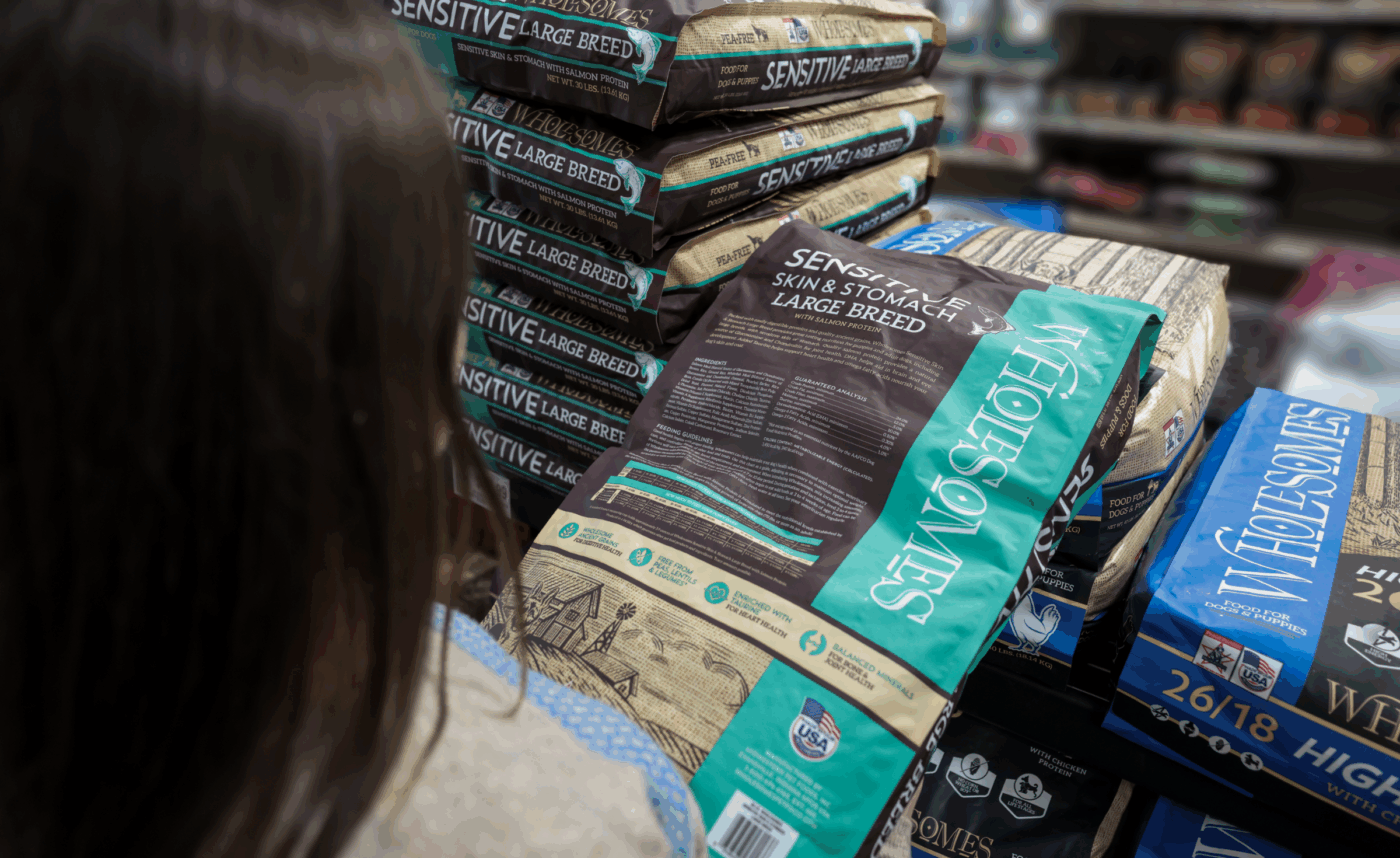
Pet labels serve as a vital resource for pet owners. Providing essential information about the nutritional content in dog food and cat food, pet food ingredients, and feeding guidelines. By learning how to read dog food labels and cat food labels, you can ensure that your pet receives a balanced diet tailored to their unique health requirements.
Key Components of Pet Food Labels
Every pet food label typically includes several key sections that provide crucial information about the dog food and cat food. Understanding these components will empower you to make better choices for your pet’s diet.
- Product Name: The product name typically highlights the main ingredients. For example, a dog food or cat food nutritional label that reads “Chicken & Rice” indicates that chicken and rice are the primary ingredients in this pet food product
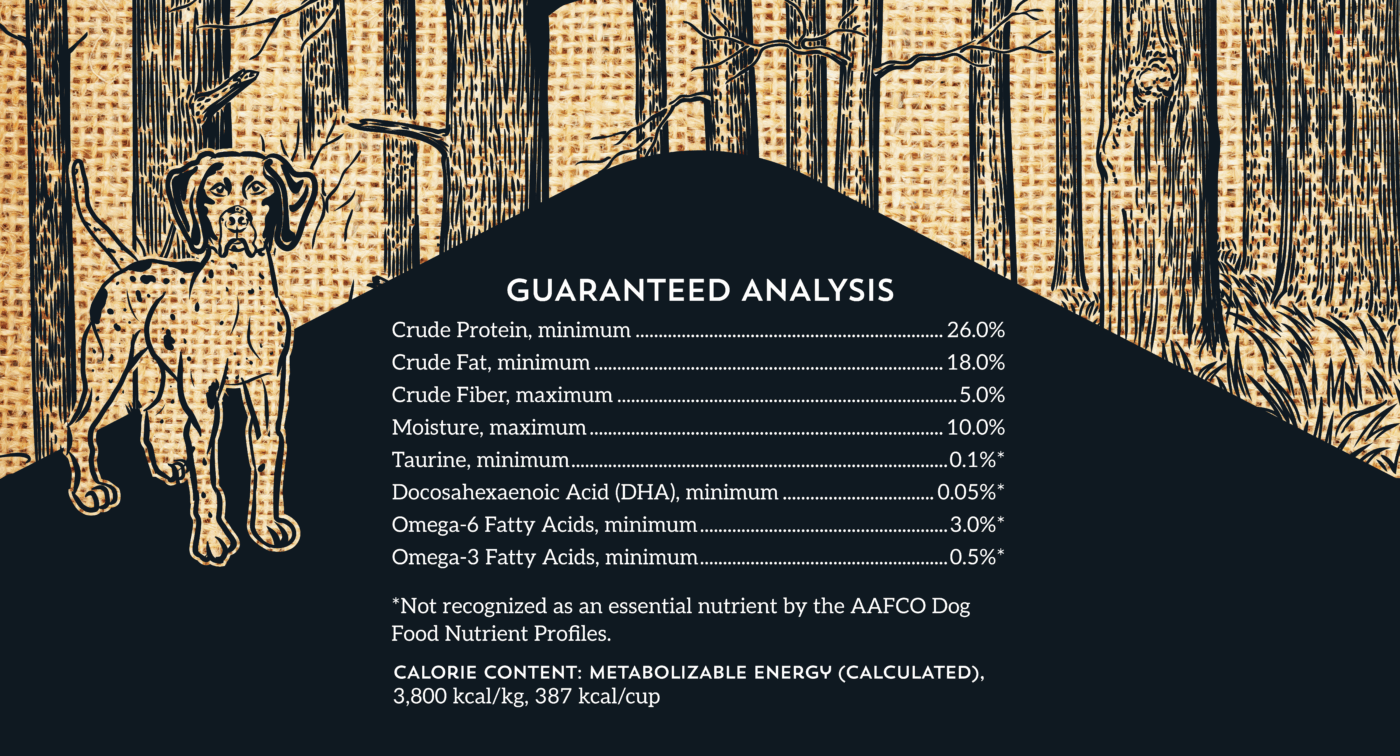
- Guaranteed Analysis: The guaranteed analysis of dog food or cat food lists the minimum percentages of key nutrients. These key nutrients listed may include the amount of crude protein, moisture, and crude fat in dog food. It helps you assess the nutritional value of the food.
- Ingredients List: Ingredients in pet food are listed in descending order by weight. This means the first ingredient is the most significant component of the food.
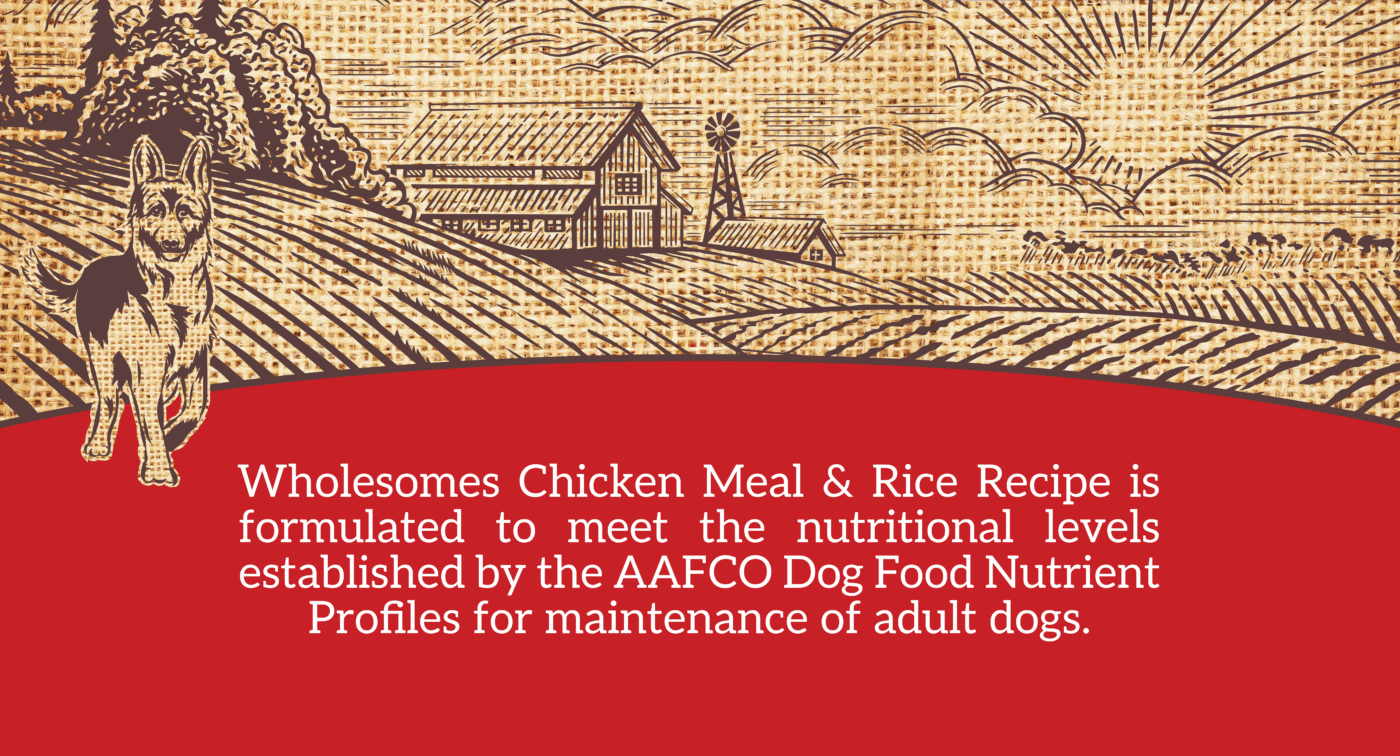
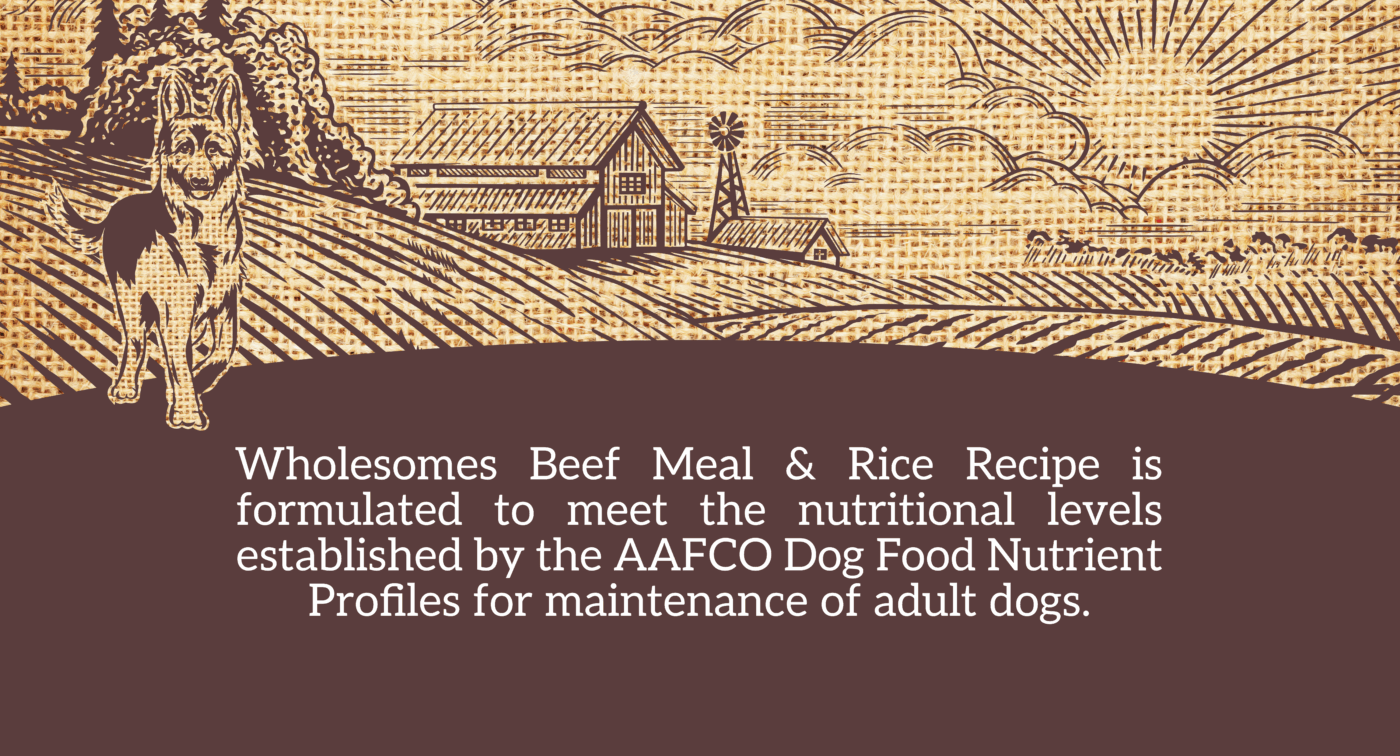
- Nutritional Adequacy Statement: This statement confirms that the food is formulated to meet specific nutritional standards. These standards are set by organizations such as the Food and Drug Administration (FDA) and the Association of American Feed Control Officials (AAFCO).
- FDA vs. AAFCO: While all pet food products must meet FDA pet food regulations, not all pet food meets the nutritional levels established by AAFCO.
- Feeding Guidelines: These cat and dog food feeding guidelines suggest how much food to feed your dog or cat based on their weight and life stage.
- Manufacturer Information: This includes the name and address of the pet food manufacturer, which can be helpful if you have questions or concerns about the product.
- Caloric Content: The caloric content of the cat or dog food nutrition label indicates the number of calories per serving, helping you manage your pet’s weight effectively.
Decoding the Ingredients List
The ingredients in dog food and cat food are one of the most critical parts of a pet food label. It reveals what is actually in the food and can help you identify any potential allergens or undesirable components.
Understanding Ingredient Quality
When examining the ingredients in the cat food or dog food, consider the following:
- Meat Meals: Ingredients like “chicken meal” or “lamb meal” are concentrated sources of protein since some whole ingredients lose moisture and nutrients when cooked down. Meals can be very beneficial in ensuring your dog gets the right amount of protein.
- By-products: While some by-products can be nutritious (like liver), others may be less desirable. Understanding what by-products are included is essential.
- Grains and Carbohydrates: Ingredients such as rice or potatoes can provide energy and fiber. However, if your pet has sensitivities, you may want to opt for grain-free options.
- Essential Amino Acids: Look for specific names such as taurine, methionine, and lysine rather than vague terms like “protein sources.” The best dog food brands and cat food brands list their amino acids in the ingredients list to provide pet parents with transparency of the ingredient amounts.
Ingredients to Avoid
Certain ingredients should raise red flags when reading pet food labels:
- Artificial Preservatives: Avoid preservatives like BHA, BHT, and ethoxyquin, which can be harmful over time.
- Fillers: Ingredients like corn and soy can be used as fillers and may not provide significant nutritional value.
- Toxic Ingredients: Foods containing garlic, onions, or chocolate should be avoided. These human foods are delicious for us, but can be toxic to pets.
Understanding the Guaranteed Analysis
The guaranteed analysis section provides a snapshot of the food’s nutritional content. It typically includes:
- Crude Protein: Indicates the percentage of protein in the food. Food with higher protein percentages are generally better for active dogs.
- Crude Fat: Shows the fat content in the food, which is essential for energy and skin health. However, too much fat can lead to obesity.
- Crude Fiber: Fiber is crucial for digestive health. Look for a balance that supports your pet’s needs.
- Moisture: Indicates the water content in the food, which is particularly important for wet food.
Interpreting Nutritional Needs
Understanding your pet’s specific nutritional needs is vital. For instance, senior pets may require lower fat content, while active dogs may benefit from higher protein levels. Always consult your veterinarian for personalized recommendations.
The Nutritional Adequacy Statement
The nutritional adequacy statement is a crucial part of the label that assures you the food meets AAFCO standards. It typically states whether the food is suitable for:
- Growth: Ideal for puppies and kittens.
- Maintenance: Suitable for adult pets.
- All Life Stages: Can be fed to pets of any age.
Importance of AAFCO Standards
AAFCO sets the nutritional standards for pet food, ensuring that products provide complete and balanced nutrition. Look for this statement to ensure your pet’s food meets these essential guidelines. Below is an example of an AAFCO label:
Feeding Guidelines: How Much to Feed
Feeding guidelines are provided to help you determine the appropriate amount of food for your pet. These guidelines consider factors such as:
- Weight: The recommended serving size is often based on your pet’s weight.
- Life Stage: Puppies and kittens typically require more food than adult pets.
- Activity Level: Active pets may need more calories than those that are less active.
Adjusting Portions for Specific Needs
If your pet has specific health concerns, such as being overweight or underweight, you may need to adjust their portions accordingly. Consult your veterinarian for tailored advice on managing your pet’s weight.
Special Considerations for Specific Health Issues
Different pets have unique dietary needs based on their health conditions. Here are some common issues and what to look for in pet food:
What to Look for in a Pet Food Label for Overweight Pets
For pets that are overweight, look for the best weight management dog food or cat food. In these recipes, look for :
- Low-Calorie Recipes: Foods labeled as “lite” or “low-fat” can help manage weight.
- High Fiber Recipes: Fiber can help pets feel full without adding extra calories.
What to Look for in a Pet Food Label for Underweight Pets
If your pet is underweight, consider:
- High-Calorie Foods: Look for calorie-dense foods to help them gain weight.
- Protein-Rich Ingredients: Foods with high-quality protein sources can support muscle growth. You can locate this in the cat food or dog food analysis.
What to Look for in a Pet Food Label for Senior Pets
Senior pets may benefit from:
- Joint Support Ingredients: Look for glucosamine and chondroitin to support joint health.
- Lower Fat Content: As metabolism slows, lower-fat options can help prevent obesity in pets.
What to Look for in a Pet Food Label for Pets with Sensitivities
For pets with food sensitivities, focus on:
- Limited Ingredient Diets: This type of diet contains fewer ingredients. Therefore, it reduces the risk of allergens.
- Sensitive Diets: These diets are free of common allergens.
- Novel Proteins: Ingredients like bison or lamb can be beneficial for pets with common protein allergies.
The Role of Marketing Terms
Pet food labels often include marketing terms that can be misleading. Understanding these terms can help you make better choices:
“Natural” vs. “Organic”
- Natural: This term generally means the food does not contain artificial additives. However, it does not guarantee the absence of all harmful ingredients.
- Organic: Foods labeled as organic must meet specific USDA standards, which can include the absence of synthetic pesticides and fertilizers.
“Grain-Free” and “Novel Proteins”
- Grain-Free: While some pets may benefit from grain-free diets due to sensitivities to grains, others thrive on a grain-inclusive diet. It’s important to remember that just because food is “free” of something does not mean it will be better for your pet. Consult your vet if you’re considering removing elements of your pets diet.
- Novel Proteins: Having ingredients like salmon or lamb in your cat or dog’s diet can be beneficial for pets with sensitivities to common proteins.
Conclusion: Making Informed Choices
Learning how to read a cat food label and a dog food label is an invaluable skill for any pet owner. By understanding the components of the nutrition in dog food and cat food, you can make informed decisions that cater to your pet’s specific needs. Whether your furry friend is a playful puppy, a senior dog, or a cat with sensitivities, the right food can make all the difference in their health and happiness.
Always consult your veterinarian for personalized dietary recommendations, and remember that the best pet food is one that meets your pet’s unique nutritional requirements. With the right knowledge, you can ensure your beloved companion enjoys a healthy, balanced diet that supports their well-being for years to come.