
Winter Dog Weight Loss Guide for Dogs
By Reece Dosso
Worried about your pup packing on winter pounds? You’re definitely not alone. This winter dog weight loss guide is designed to help pet parents keep their dogs healthy when cold weather limits outdoor activity. Snowy days mean fewer walks, chilly evenings bring extra treats on the couch, and weight gain can happen fast.
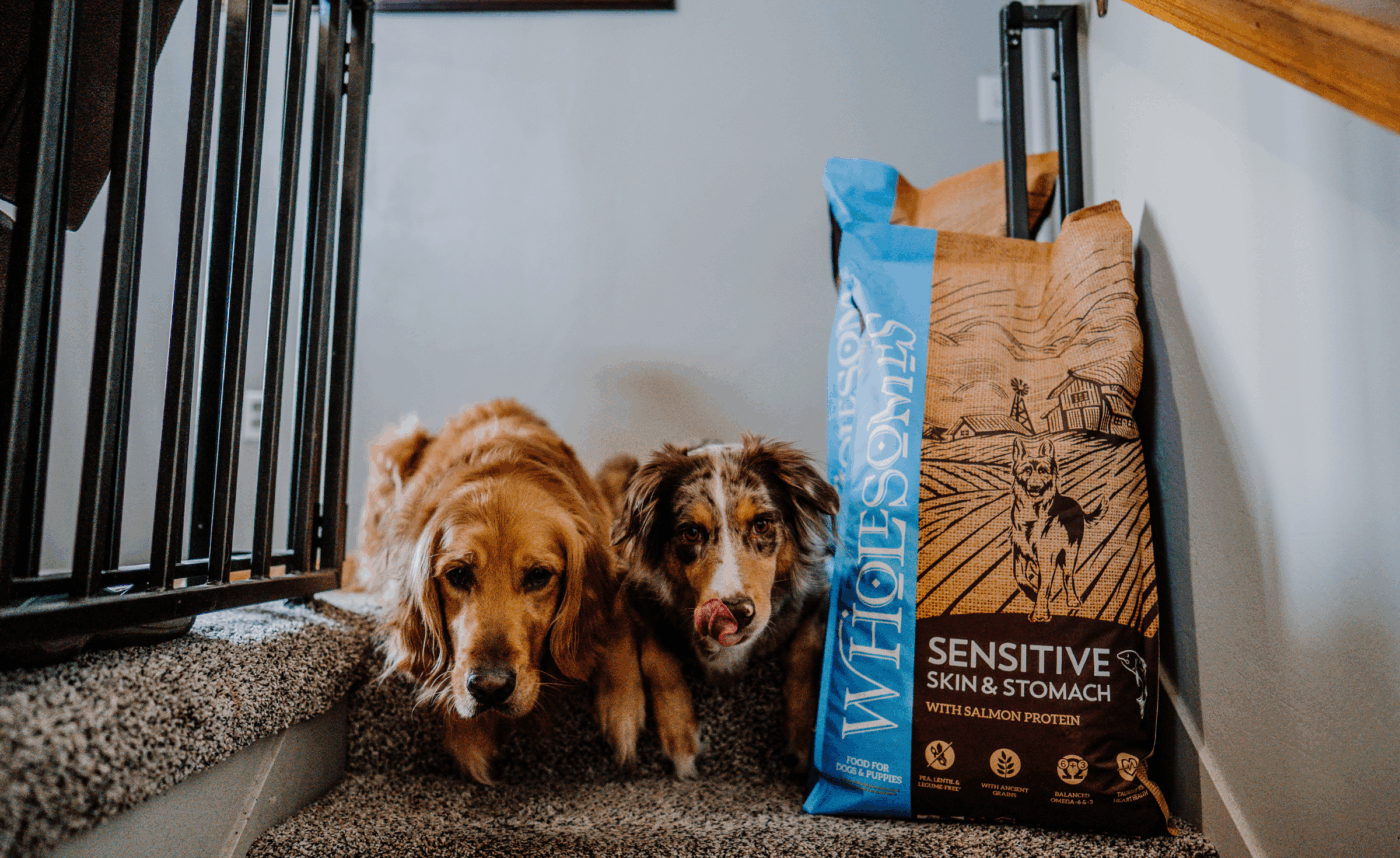
Studies show that both humans and their pets tend to add extra pounds during winter months. Our dogs face real health risks when they carry extra weight, but keeping them moving gets harder when the weather turns harsh.
We get it. Nobody wants to bundle up for a walk when it’s freezing outside. Many of us skip those daily strolls or give extra treats to make up for the missed exercise. Some experts even say we should stop giving treats during winter, especially for overweight dogs.
But here’s the good news. Your dog can still lose weight safely during the colder months. Simple changes to their routine make all the difference. This guide shares practical ways to help your furry family member shed those extra pounds. We’ll cover proper nutrition and indoor exercise ideas that keep them moving for their needed 20-30 minutes of daily activity.
From our family to yours, let’s help your dog stay healthy all winter long!
Start with a Winter Health Check: Your Winter Dog Weight Loss Guide
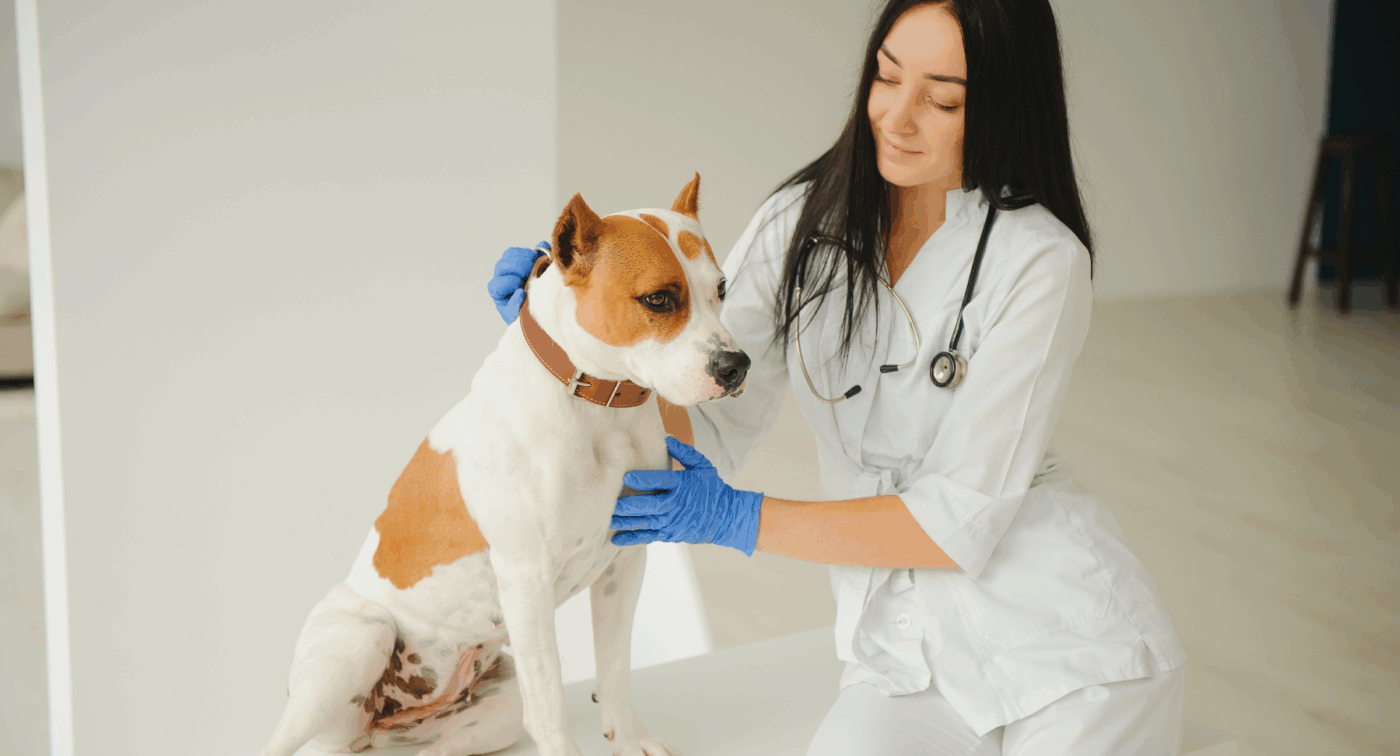
Your vet is your best partner for safe weight loss. Schedule a health check before starting any winter weight plan for your pup. This visit makes sure your dog can safely lose weight and rules out medical conditions that might be causing weight gain.
Your veterinarian will:
- Record a baseline weight to track progress throughout winter
- Evaluate your dog’s Body Condition Score (BCS) to determine ideal weight
- Check for medical issues like hypothyroidism or diabetes that could affect weight
- Assess joint health, as excess weight increases arthritis risk
The Body Condition Score helps determine if your dog is at ideal weight (4-5), overweight, or underweight. This scale from 1-9 looks at more than just the number on a scale. Your vet considers breed, muscle mass, and overall build too.
Here’s something important to know. Research shows that overweight dogs lived approximately two years less than their healthy-weight counterparts. About 60% of dogs are overweight or obese. Many owners don’t even realize their dog has a weight problem. Studies show that 60% of people with overweight dogs think their dog’s weight is just fine.
Regular check-ins with your vet help adjust your dog’s diet and exercise plan. This keeps weight loss safe at the right pace of 1-2% of body weight weekly. Your vet knows what’s best for your furry family member!
Adjust Your Dog’s Diet for Winter Dog Weight Loss
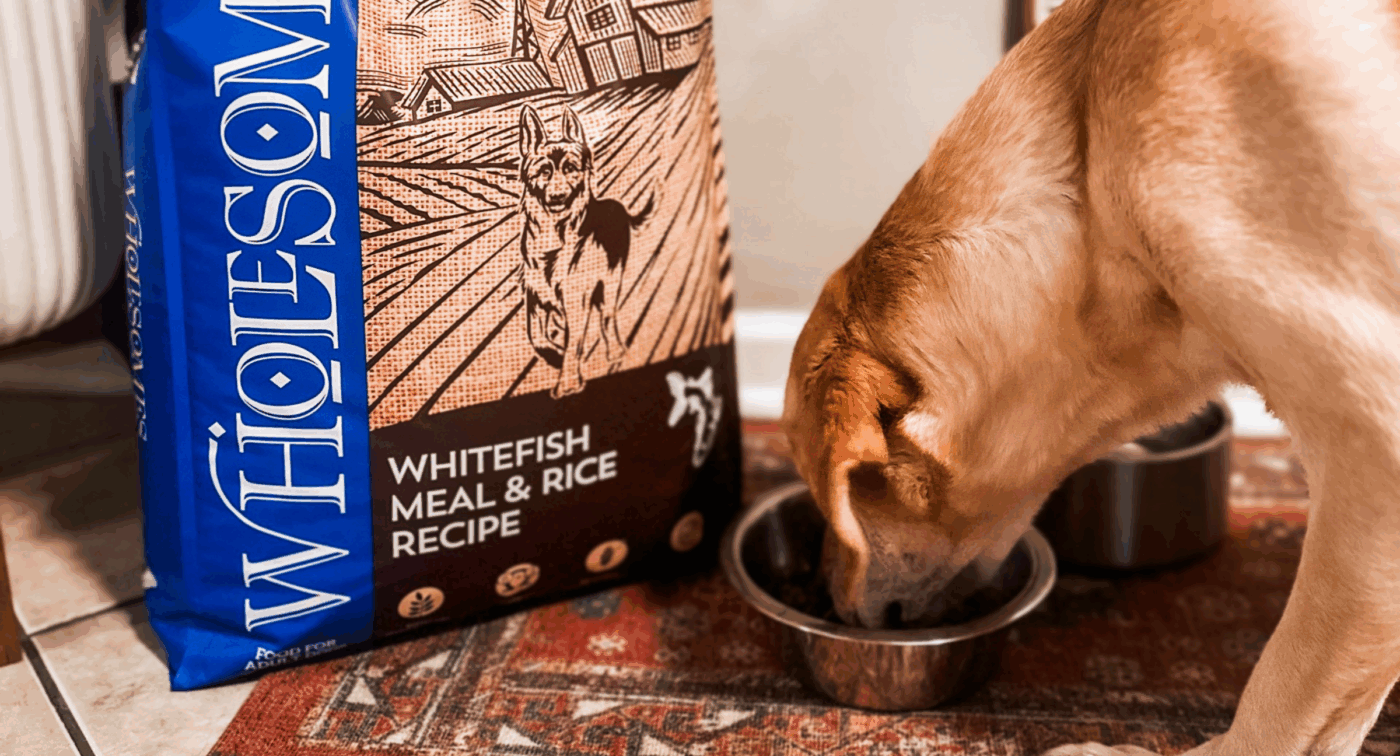
Diet changes make the biggest difference for dogs trying to lose weight. Dogs need much smaller calorie cuts than humans—typically just 20-60 calories fewer per day depending on their size. Small changes add up to big results!
Here’s how to adjust your dog’s winter diet:
- Calculate calories precisely—most dogs need 25-30 calories per pound of ideal body weight daily
- Measure food using a digital kitchen scale rather than cup measurements
- Replace high-calorie treats with low-calorie alternatives like baby carrots, green beans, or Wholesomes Lite Bites
- Add water or low-sodium broth to dry food to increase volume without adding calories
- Add fiber-rich vegetables (like pumpkin) to help your dog feel fuller longer
Consistency matters. Feed your dog at the same times each day, splitting the daily portion into at least two meals. Many pet parents accidentally sabotage weight loss by sharing table scraps. Even tiny amounts can really impact your dog’s calorie intake.
Weight management formulas work great too. These foods have fewer calories while keeping all the nutrition your dog needs. Just remember—never cut food drastically! Rapid weight loss can be dangerous for dogs. The safest approach is gradual reduction aiming for 1-2% of body weight weekly.
Your dog doesn’t need to feel hungry to lose weight successfully. Smart food choices and proper portions keep them satisfied while shedding those extra pounds.
Keep Your Dog Moving When It’s Cold Outside
Your dog still needs exercise, even when winter weather keeps you both indoors. The trick is mixing physical activity with fun mental challenges that help burn calories safely.
Treadmill training works great when icy sidewalks make outdoor walks tricky. New to treadmills? Start slow and stay close. Give your pup 5 minutes to warm up those muscles – especially important when it’s cold outside.
No treadmill? No problem! Stair workouts give your dog an amazing cardio session. Toss their favorite toy up and down the stairs to get them moving. Just watch out for breeds with short legs or long backs – they need extra care. You can also set up fun obstacle courses using couch cushions or broom handles around your living room.
Here’s something many pet parents don’t think about – mental exercise burns calories too! Puzzle toys that make your dog work for their food are perfect. They eat slower and stay busy at the same time. Wild dogs spend up to 60% of their day hunting for food, so this taps into their natural instincts.
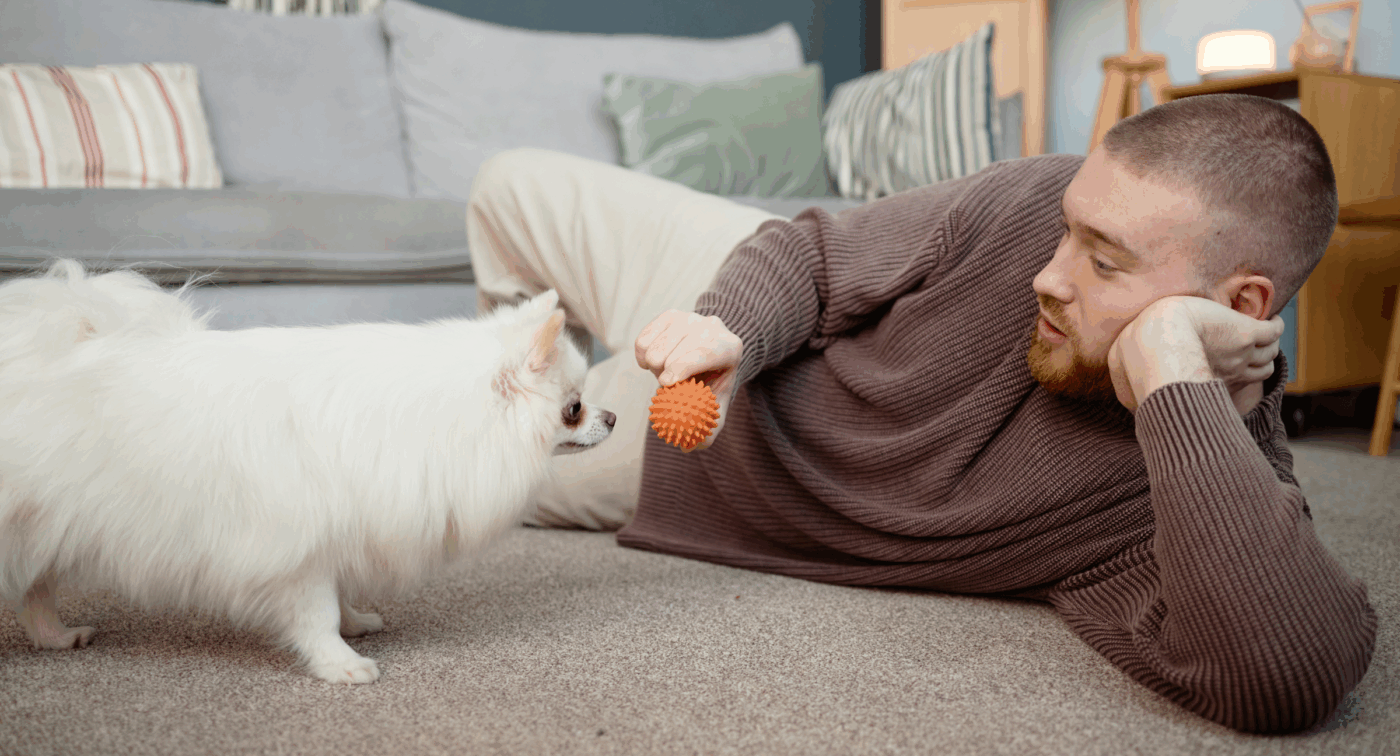
Don’t forget the simple stuff that works. Indoor fetch down the hallway or a good game of tug-of-war gets their heart pumping. Even short 5-10 minute “mini-walks” throughout the day help when you can’t do full outdoor sessions.
The best part? A tired, happy dog won’t get into trouble around the house. When they’re physically and mentally satisfied, everyone’s happier!
Your Dog’s Healthy Winter Starts Now
By following this winter dog weight loss guide, you can help your dog slim down safely while building healthy habits that last all year. Winter weight management for your furry family member doesn’t have to feel overwhelming. Sure, it takes some planning and consistency, but every dog can achieve a healthy weight with the right support.
Start with your vet. They’ll make sure your pup is ready for weight loss and help you spot any health issues that might be getting in the way. Those extra pounds didn’t show up overnight, so they won’t disappear that quickly either.
Food changes make the biggest difference. Small adjustments to calories, careful measuring, and swapping out high-calorie treats for healthy alternatives can help your dog feel satisfied while losing weight. Baby carrots, green beans, and cucumber slices work great as snacks that won’t pack on pounds.
Keep your dog moving, even when it’s cold outside. Treadmill time, stair climbing, and fun indoor games give your pup the exercise they need. These activities keep both their body and mind busy – something that really matters during long winter months.
Every small step you take matters. Measuring food properly, planning short play sessions, and sticking to a routine all add up to better health for your beloved companion. The time you spend now helps your dog live longer, move better, and feel happier.
Winter weight management might seem tough at first, but watching your dog return to a healthy weight makes it all worthwhile. You and your pup will both enjoy these positive changes, and the healthy habits you build together will last well beyond winter.
From our family to yours – here’s to a healthier, happier season ahead!