
Autumn Allergies in Pets: Causes & Care Tips
By Reece Dosso
As the leaves change and the air turns crisp, many pet owners find themselves facing a familiar challenge: Navigating Autumn Allergies in Pets. Just like humans, dogs and cats can experience allergic reactions to various environmental factors, particularly during the autumn months. Understanding the causes, symptoms, and effective management strategies for allergies in pets is essential for ensuring their comfort and well-being. This guide will explore the intricacies of autumn allergies in pets and provide actionable steps for pet parents to help their beloved animals thrive.
Understanding Autumn Allergies in Pets
What Are Seasonal Allergies in Pets?
Seasonal allergies, also known as allergic rhinitis, occur when a pet’s immune system overreacts to specific allergens present in the environment. These allergens can include pollen from trees, grasses, and weeds, as well as mold spores and dust mites. During autumn, the primary culprits are often ragweed pollen and mold from fallen leaves.
How Do Allergies Develop?
When a pet encounters an allergen, their immune system mistakenly identifies it as a threat. This triggers an inflammatory response, leading to various symptoms. Some pets may only experience allergies during specific seasons, while others may have year-round sensitivities. Over time, the severity of these allergies can increase, making it crucial for pet owners to recognize and address the signs early.
Common Symptoms of Allergies in Dogs and Cats
Recognizing Symptoms of Autumn Allergies in Pets
Pet owners should be vigilant in observing their pets for any signs of allergies. Common symptoms include:
- Excessive Scratching and Licking: Pets may scratch or lick their paws, belly, or other areas of their body to relieve itching.
- Skin Irritation: Look for redness, rashes, or hair loss resulting from constant scratching.
- Ear Infections: Allergies can lead to inflammation in the ears, causing redness, swelling, or a foul odor.
- Eye Issues: Watery, red, or swollen eyes can indicate an allergic reaction.
- Respiratory Symptoms: Pets may exhibit sneezing, coughing, or a runny nose, similar to cold-like symptoms in humans.
Specific Symptoms in Dogs vs. Cats
While both dogs and cats can suffer from allergies, their symptoms may manifest differently. Dogs often experience skin and ear infections, while cats may show more respiratory issues. Understanding these differences can help pet owners identify the problem more effectively.

Common Causes of Autumn Allergies in Pets
Common Allergens
During the autumn months, several allergens become more prevalent, including:
- Ragweed Pollen: This is one of the most common triggers for seasonal allergies in pets during fall.
- Mold Spores: Mold can thrive in damp, fallen leaves, releasing spores into the air that pets may inhale.
- Dust Mites: As pets spend more time indoors during cooler weather, exposure to dust mites can increase.
Environmental Factors
Changes in the environment can also cause environmental allergy symptoms. For instance, pets that spend time outdoors may come into contact with allergens more frequently, while indoor pets may be affected by dust and mold accumulation in the home.
How to Manage Autumn Allergies in Pets Effectively
Consult Your Veterinarian
If you suspect your pet is suffering from allergies, the first step is to consult your veterinarian. They can perform tests to identify specific allergens and recommend appropriate treatments. This may include antihistamines, corticosteroids, or other medications to alleviate symptoms.
Regular Grooming
Maintaining a regular grooming routine can help reduce allergens on your pet’s coat. Bathing your pet with a gentle, hypoallergenic shampoo can remove pollen and other irritants. Additionally, brushing your pet frequently can help minimize shedding and dander in your home.
Create a Clean Environment
Keeping your home clean can significantly reduce allergy symptoms. Here are some tips:
- Use Air Purifiers: Invest in air purifiers to filter out allergens from the air.
- Wipe Paws After Walks: After outdoor excursions, wipe your pet’s paws to remove any pollen or mold they may have picked up.
- Wash Bedding Regularly: Clean your pet’s bedding frequently to eliminate dust mites and other allergens.
Best Diet for Pets with Autumn Allergies
Best Dog Food for Allergies
A well-balanced diet can play a crucial role in managing allergies in pets. Look for dog food specifically formulated for allergies, which often contains limited ingredients and hypoallergenic proteins. Foods rich in omega-3 fatty acids can also help reduce inflammation and support skin health.
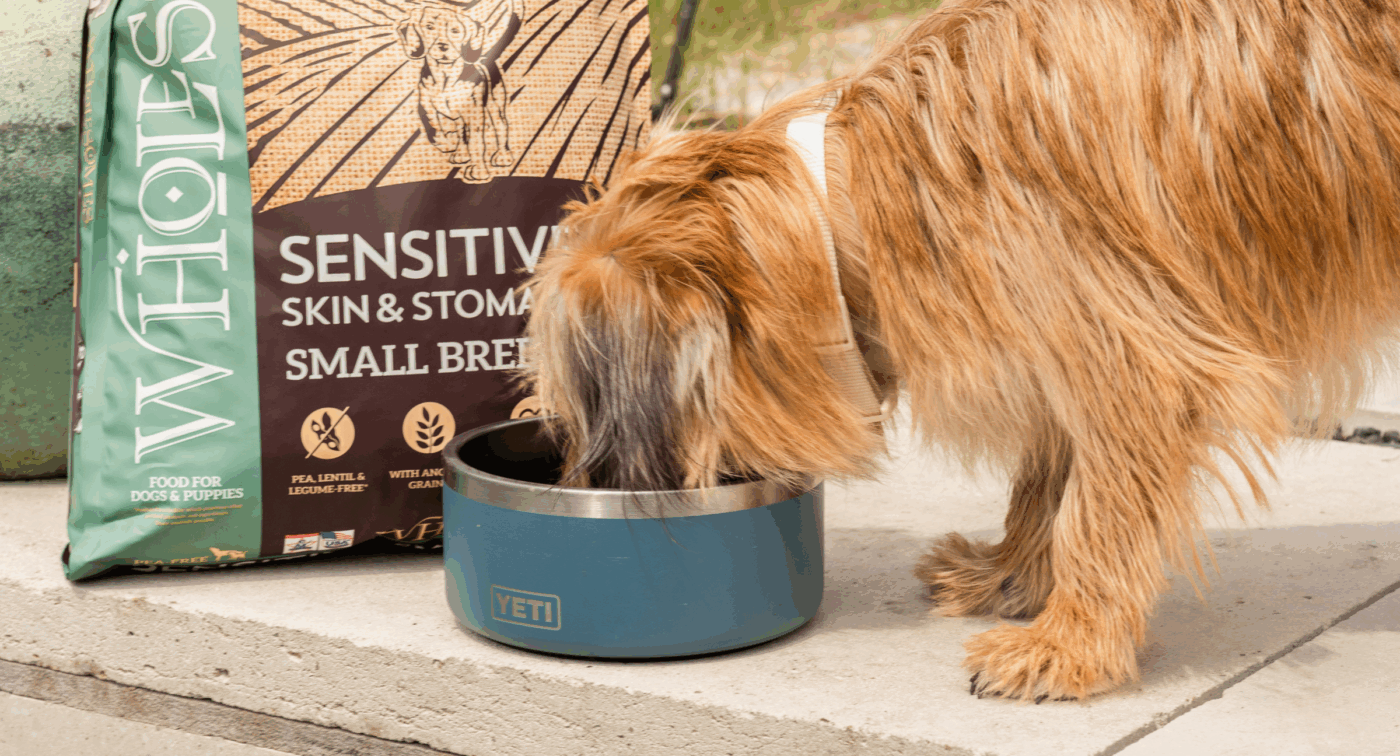
Wholesomes Sensitive Skin & Stomach formula is specially crafted to support pets with sensitive skin and stomachs. Packed with easily digestible proteins like salmon & lamb, it provides high-quality nutrition that’s gentle on your pet’s digestive system. The salmon protein also contains Glucosamine and Chondroitin, which help maintain healthy joints especially important for large breeds and active pets.
Additionally, Wholesomes includes DHA to support healthy brain and eye development, while added Taurine promotes heart health. Omega fatty acids nourish the skin and coat, helping reduce irritation and shedding for pets prone to sensitivities. Overall, Wholesomes delivers balanced, wholesome ingredients designed to keep your furry friend thriving from the inside out.
Supplements for Skin Health
In addition to a quality diet, consider incorporating supplements that promote skin health. Omega-3 fatty acids, such as fish oil, can help strengthen the skin barrier and reduce itching. Always consult your veterinarian before introducing new supplements to your pet’s diet.
Home Remedies to Soothe Autumn Allergy Symptoms
Natural Solutions for Pet Allergies
While veterinary care is essential, some home remedies for pet allergies can provide additional relief for pets suffering from allergies:
- Oatmeal Baths: An oatmeal bath can soothe itchy skin and provide temporary relief from irritation.
- Apple Cider Vinegar: Diluted apple cider vinegar can be used as a topical treatment for skin irritations, but it should be used cautiously and not on open wounds.
- Coconut Oil: Applying coconut oil to dry or irritated skin can help moisturize and soothe affected areas.
When to Avoid Home Remedies for Pets with Allergies
While many home remedies can be beneficial, it’s crucial to avoid using them without consulting your veterinarian. Some substances may cause adverse reactions or worsen your pet’s condition.
Long-Term Care for Pets with Seasonal Allergies
Allergy Testing
For pets with persistent allergies, allergy testing may be beneficial. This can help identify specific allergens and guide treatment options, including immunotherapy, which gradually desensitizes pets to their triggers.
Regular Veterinary Check-Ups
Routine veterinary visits are essential for monitoring your pet’s health and managing allergies effectively. Your veterinarian can adjust treatment plans as needed and provide ongoing support.
Conclusion
Autumn allergies can be a challenging experience for both pets and their owners. By understanding the causes, recognizing the symptoms, and implementing effective management strategies, pet parents can help their furry friends navigate this seasonal challenge. With the right care, attention, and support, your pet can enjoy a comfortable and happy autumn season.