
Shedding Season: What Your Pet’s Coat Says About Their Nutrition
Understanding your pet’s coat is essential for maintaining their overall health and well-being. A shiny, healthy coat is not just a sign of good grooming; it reflects your pet’s nutritional status and can indicate underlying health issues. As we enter shedding season, it’s crucial to recognize what your pet’s coat is telling you about their diet and how to improve their fur and skin condition.
The Importance of a Healthy Coat
A pet’s coat serves multiple purposes, including temperature regulation and protection against environmental elements. A healthy coat is typically soft, shiny, and free from excessive oil, dandruff, or bald patches. When your pet’s coat appears dull or they experience increased shedding, it may signal nutritional deficiencies or health problems.
Signs of a Healthy Coat
- Shininess: A glossy coat indicates proper hydration and nutrition.
- Softness: A supple texture suggests adequate fatty acids in the diet.
- No Bald Spots: Absence of patches or thinning areas is a good sign.
- Minimal Shedding: While some shedding is normal, excessive loss can be a concern.
What a Dull Coat Might Indicate
If your pet’s coat lacks luster, it could be due to:
- Poor Diet: Insufficient nutrients can lead to a lack of shine.
- Allergies: Skin reactions can affect coat health.
- Parasites: Fleas and mites can cause irritation and hair loss.
- Underlying Health Issues: Conditions like hypothyroidism or Cushing’s disease may manifest through coat changes.
Shedding Season: What to Expect
As the seasons change, many pets experience increased shedding. This natural process helps them adapt to temperature fluctuations. However, understanding the nuances of shedding can help you manage it effectively.
Seasonal Shedding Patterns
- Spring: Pets often shed their winter coats to prepare for warmer weather.
- Fall: A second shedding cycle occurs as pets grow thicker coats for winter.
- Year-Round Shedding: Some breeds shed consistently throughout the year.
Factors Influencing Shedding
Several elements can affect how much your pet sheds despite shedding season:
- Breed: Double-coated breeds tend to shed more during seasonal changes.
- Age: Older pets may experience changes in coat quality and shedding patterns.
- Stress: Anxiety can lead to excessive grooming and hair loss.
- Nutrition: A balanced diet rich in essential fatty acids can minimize shedding.
Nutrition and Coat Health
The link between nutrition and coat health cannot be overstated. A well-balanced diet is crucial for maintaining a vibrant coat and preventing excessive shedding.
Key Nutrients for a Healthy Coat
- Omega-3 Fatty Acids: Found in fish oil, these help reduce inflammation and promote a shiny coat.
- Omega-6 Fatty Acids: Essential for skin health, these can be found in various oils and seeds.
- Biotin: This vitamin supports hair growth and overall coat condition.
- Vitamins A and E: Antioxidants that help maintain skin health and coat shine.
Improving Your Pet’s Diet
To enhance your pet’s coat condition, consider the following dietary adjustments:
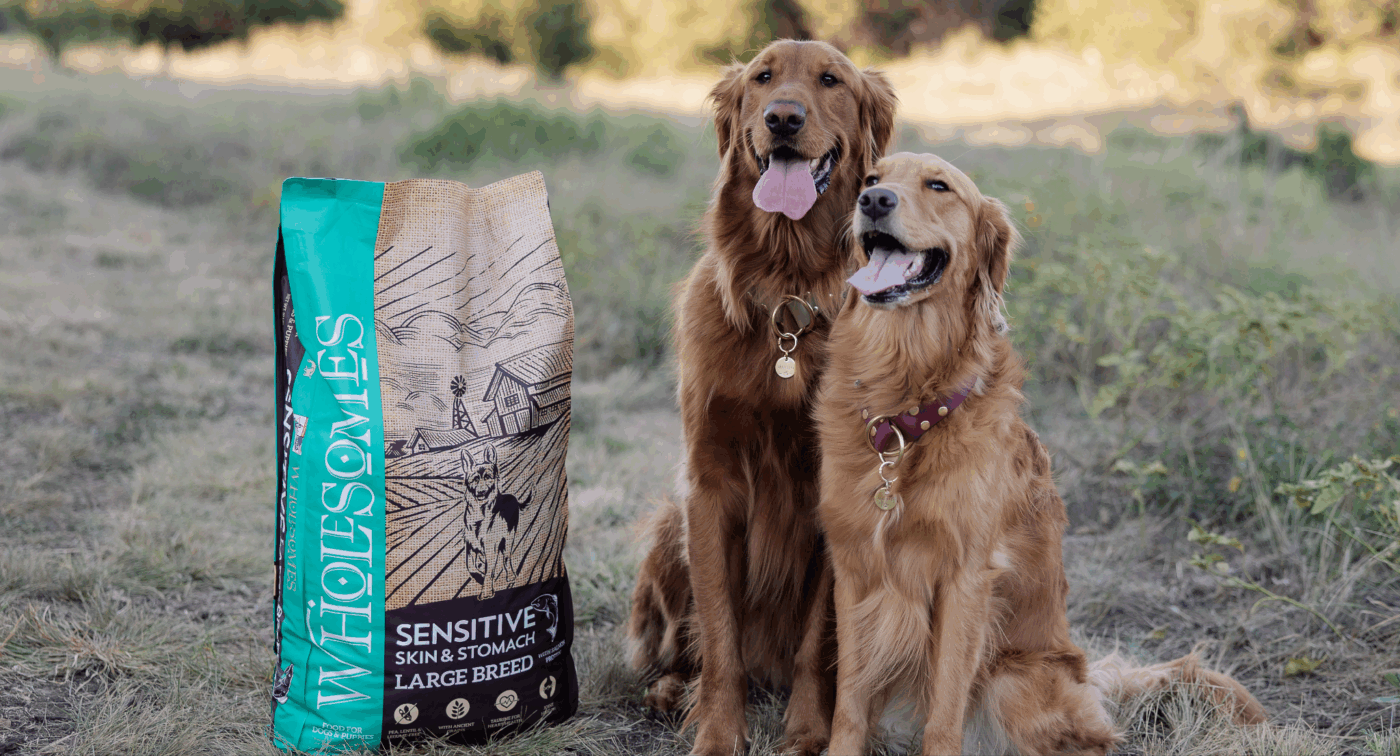
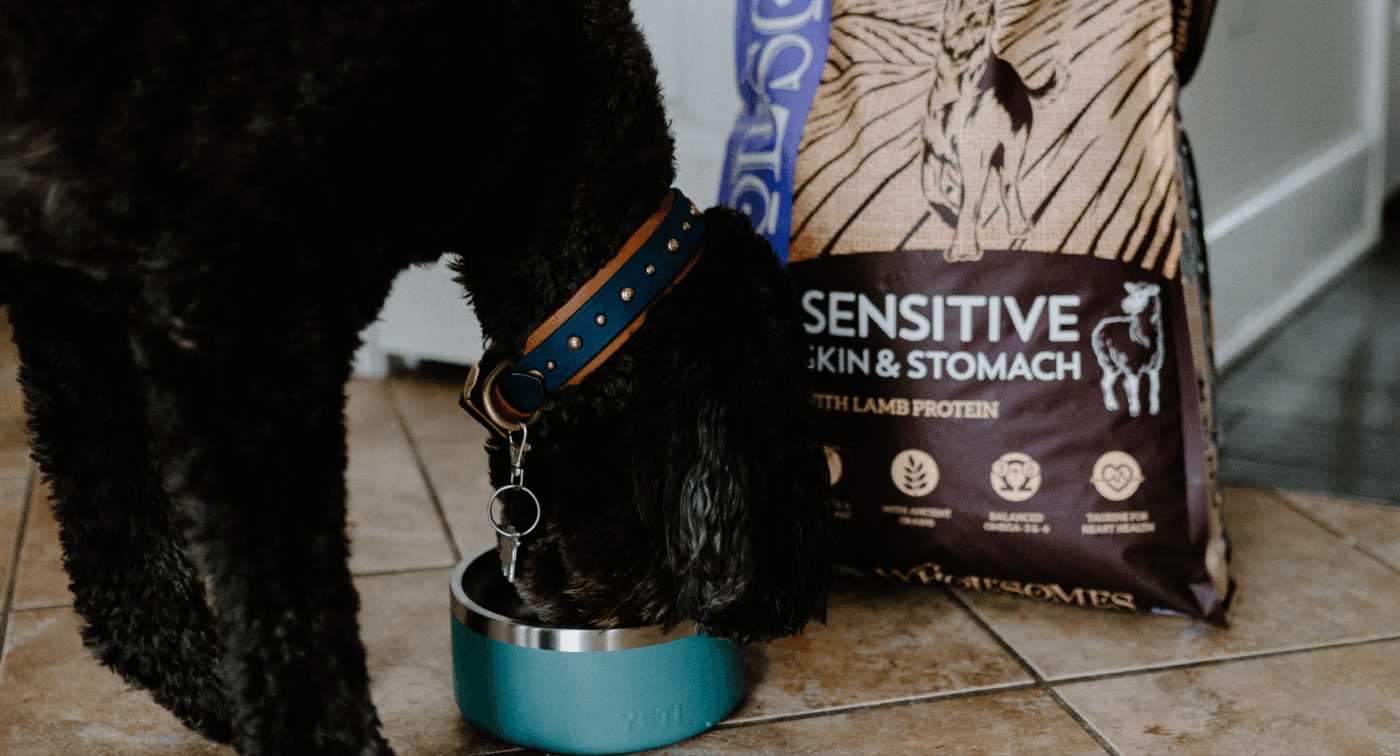
- High-Quality Pet Food: Wholesomes Sensitive Skin and Stomach dog food has meat as the first ingredient and includes omega fatty acids.
- Supplements: Adding fish oil or specific coat health supplements can provide additional nutrients.
- Hydration: Ensure your pet has access to fresh water at all times, as hydration is key to skin and coat health.
Grooming: A Vital Component
Regular grooming is essential for maintaining your pet’s coat health. It not only helps remove loose hair and dirt but also allows you to monitor your pet’s skin condition.
Grooming Techniques
- Brushing: Use a pet shedding brush to remove loose fur and distribute natural oils.
- Bathing: Bathe your pet with a gentle, pH-balanced shampoo to avoid stripping natural oils.
- Check for Parasites: Regularly inspect your pet for fleas, ticks, and other parasites that can affect coat health.
Tools for Effective Grooming
Investing in the right pet shedding tool can make a significant difference:
- Pet Shedding Brush: Ideal for removing loose hair and preventing mats.
- Shedding Gloves for Pets: These allow you to groom while petting, making it a pleasant experience for both of you.
- Pet Shedding Vacuum: A specialized vacuum can help manage shedding in your home.
Managing Shedding Season
As shedding season approaches, there are several strategies you can implement to make the experience more manageable for both you and your pet.
Create a Grooming Schedule
Establish a regular grooming routine to keep shedding under control. Depending on your pet’s breed and coat type, you may need to brush them several times a week or even daily brushing for your dog or cat.
Use the Right Tools
Utilize tools designed specifically for shedding, such as a shed vacuum for pets or shedding gloves for pets. These tools can help you effectively manage loose hair and keep your home clean.
Maintain a Clean Environment
Regularly vacuum and clean your home to minimize pet hair buildup. Consider using a pet shedding vacuum to make the task easier.
Recognizing Health Issues
While shedding is a natural process, excessive hair loss or changes in coat quality can indicate underlying health problems or sensitivities. It’s essential to be vigilant and consult your veterinarian if you notice any concerning signs.
Common Health Issues Linked to Shedding
- Allergies: Food or environmental allergies can lead to skin irritation and hair loss.
- Hormonal Imbalances: Conditions like hypothyroidism can cause significant coat changes.
- Infections: Bacterial or fungal infections may result in patchy hair loss.
When to Seek Veterinary Care
If your pet experiences:
- Sudden Hair Loss: Rapid changes in coat condition warrant a vet visit.
- Skin Irritation: Redness, itching, or inflammation should be evaluated.
- Persistent Shedding: If shedding seems excessive, consult your veterinarian for advice.
The Role of Hydration
Hydration plays a crucial role in maintaining your pet’s coat health. Dehydration can lead to dry skin and a lackluster coat.
Encouraging Water Intake
- Fresh Water: Always provide clean, fresh water for your pet.
- Wet Food: Incorporating wet food into your pet’s diet can help increase their moisture intake.
- Water Fountains: Some pets prefer running water, so consider investing in a pet water fountain.
Seasonal Changes and Their Impact
As the seasons change, so do your pet’s grooming needs. Understanding these changes can help you adapt your care routine accordingly.
Preparing for Seasonal Shedding
- Spring: Increase grooming frequency to manage the shedding of winter coats.
- Fall: Prepare for the transition to thicker coats by maintaining a consistent grooming schedule.

Adjusting Diet for Seasonal Needs
Consider adjusting your pet’s diet based on seasonal changes. For example, during colder months, you may want to increase the intake of omega fatty acids to support skin health.
Conclusion
Your pet’s coat is a window into their overall health and nutrition. By understanding the signs of a healthy coat, recognizing the impact of shedding season, and implementing proper grooming and dietary practices, you can ensure your furry friend remains vibrant and healthy. Remember, a little extra care during shedding season can go a long way in maintaining your pet’s coat and overall well-being. From our family to yours, let’s keep those tails wagging and coats shining!