
Best Cat Food for Sensitive Skin & Stomach
Watching your cat struggle with tummy troubles breaks your heart. Constant vomiting, loose stools, and watching them turn away from their food bowl tells you something’s wrong. Your furry family member needs special care, and we get it in trying to find the best cat food for sensitive skin & stomach.
Sensitive skin or stomach? We’ve got a recipe for that!
Food sensitivities affect both your cat’s digestion and skin health. Sometimes it’s a true allergy, other times it’s an intolerance that requires sensitive stomach food for cats. Either way, your cat deserves comfort and relief with food for cats with sensitive stomachs. Our family knows how tough these challenges can be for yours.
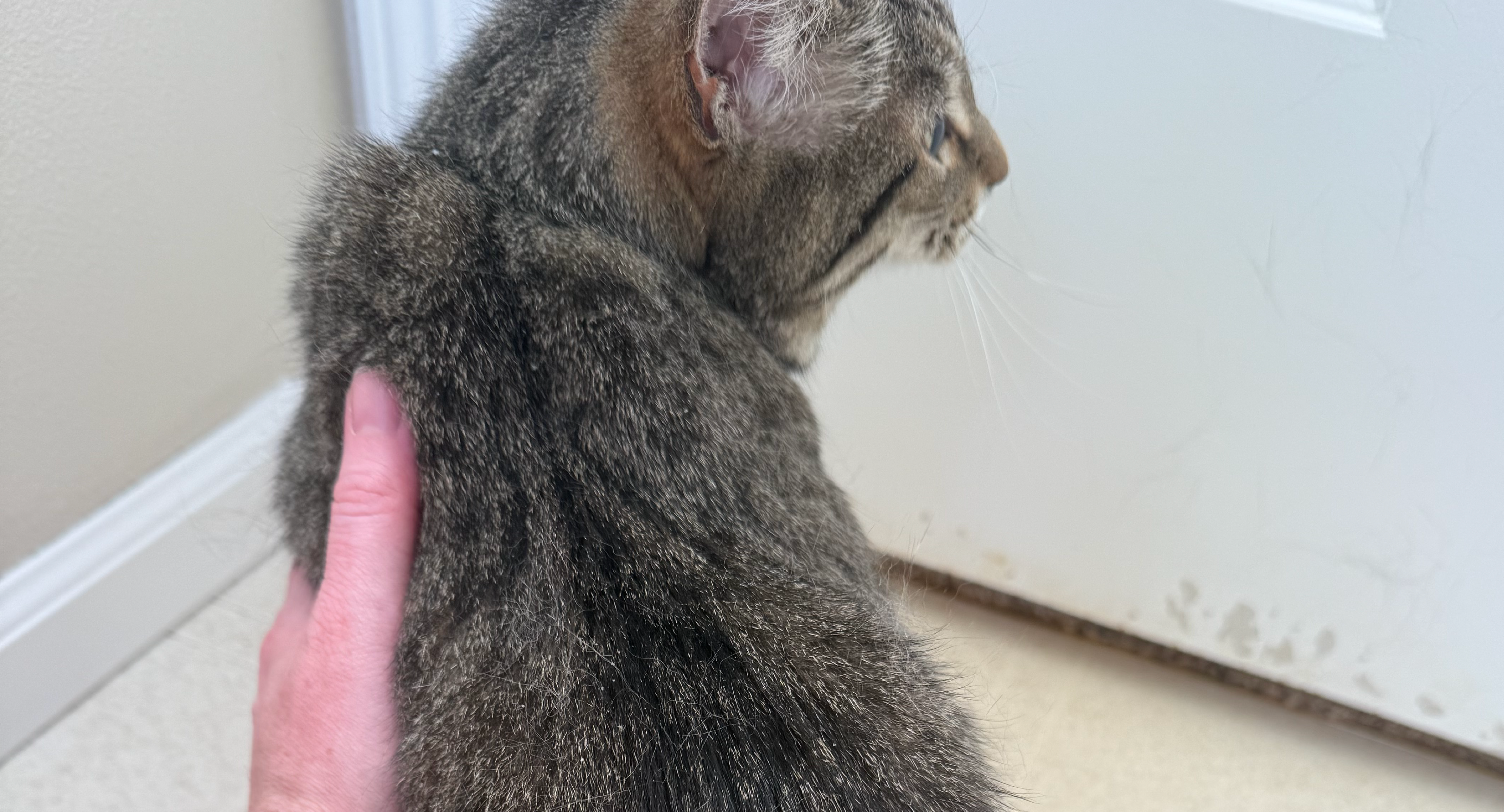
This guide will help you spot the signs of sensitive stomach issues, choose the right ingredients, and make the switch to food that actually works for your cat’s unique needs.
How to Recognize Signs Your Cat Has a Sensitive Stomach and Skin
Every cat shows symptoms differently. Some develop issues slowly over time, while others have sudden flare-ups. Watching your cat closely helps you catch problems early and get them the help they need to with cat food that’s gentle on stomachs.
Digestive Symptoms That Signal Food Sensitivity
Frequent vomiting tops the list of warning signs. Sure, cats throw up occasionally – that’s normal. But when it happens regularly, your cat’s trying to tell you something. You might see foamy, yellowish bile or notice dry heaving after meals.
Hairballs tell a story too. Healthy cats should pass hair through their system naturally. More than one hairball per month? Time to look deeper.
Loose stools or diarrhea that happens several times a day signals trouble. The consistency often looks like soft-serve ice cream. Sometimes you’ll see mucus or bright red blood – especially concerning when inflammation affects the colon.
Weight loss happens when your cat’s body can’t properly digest problem foods. You’ll notice declining body condition and reduced muscle mass over time.
Other signs include more gas than usual, scooting behavior from rectal itching, straining during bathroom trips, or more frequent bowel movements. Studies show that approximately 18% of cats with food allergies present with digestive symptoms including diarrhea and vomiting, while up to 42% of cats displaying both itching and gastrointestinal symptoms could be food allergic.
Skin-Related Signs of Food Intolerance
Constant itching stands out as the biggest red flag for food allergies. Your cat will focus on specific spots – face, ears, belly, groin, armpits, legs, and paws get the most attention.
What makes food-related itching different? It never stops. No seasonal breaks, no relief periods. Food allergies rank as the third most common type of feline allergy, behind only flea bites and environmental allergens.
All that scratching, licking, and biting creates visible damage. Hair falls out in patches. You’ll see small crusts, redness, raised bumps, or open sores where your cat has been trying to find relief.
Skin and ear infections often tag along with food sensitivities. Sometimes these infections are the only sign you’ll notice. The head and neck areas get hit hardest, though itching can pop up anywhere. Between 10 to 15 percent of affected cats also show stomach problems alongside their skin issues.

When Symptoms Indicate a Veterinary Visit is Needed
Some situations need immediate attention. Call your vet if vomiting or diarrhea lasts more than 24 hours – dehydration happens fast. Chronic symptoms that keep coming back over weeks or months also need professional evaluation.
Your cat’s immune system needs about four weeks to adjust to diet changes, with symptoms improving over eight weeks. Left alone, problems can get worse and lead to secondary infections.
Get help right away for severe symptoms: frequent or bloody vomiting and diarrhea, no appetite for two days or more, or signs of belly pain like hunched posture or not wanting to be touched.
Food allergies can start at any age after three months, so keep watching throughout your cat’s life. Kittens, senior cats, and those with health problems need faster intervention and involve cat food for sensitive cats to help resolve the problem. Food allergies occur in approximately 1% of all cats and affect up to 15% of cats with itching problems.
What Makes the Best Cat Food for Sensitive Stomach and Skin?
The best cat food for sensitive skin & stomach makes all the difference. Quality recipes combine gentle ingredients with targeted nutrients to tackle the root causes of sensitivities.
High-Quality, Easily Digestible Protein Sources
Your cat needs the right balance. Highly digestible diets contain moderate to low fat, moderate protein, and moderate carbohydrates. This keeps your cat’s digestive system comfortable while delivering essential nutrients.
Animal-based proteins work best for cats. Whole meats, meat meals, and meat byproducts are naturally easier for your obligate carnivore to digest. But here’s the catch – protein sources can trigger allergic reactions. Beef, chicken, and fish cause the most allergies.
Your cat might develop sensitivities to proteins they’ve eaten for years. If your kitty has been eating chicken since they were young, their immune system could become sensitized to it over time. That’s when novel proteins become your best friend.
Limited Ingredient Formulas for Cats with Sensitivities
Simple is better when dealing with sensitivities. Limited ingredient diets feature just one protein source and one carbohydrate source, cutting down on potential triggers. Look for recipes with fewer than 10 main ingredients spread across protein, fat, and carb sources.
You have three main options for hypoallergenic diets:
- Limited ingredient diets – available without a prescription, focus on single proteins
- Novel protein prescription foods – feature proteins like rabbit, venison, or duck your cat hasn’t tried, made in specialized facilities
- Hydrolyzed protein diets – break proteins into tiny pieces less likely to cause reactions, require veterinary prescriptions
The Role of Probiotics and Prebiotics in Digestive Health
Good bacteria make happy tummies for digestive upsets. Probiotics are beneficial microorganisms that improve intestinal balance, boost immunity, and support healthy growth. These helpful bacteria keep the microbiome balanced and fight off harmful bacteria. Research shows probiotics improve cat digestion, strengthen immune systems, and help with diarrhea, colitis, and IBD.
Prebiotics feed the good guys. These plant fibers nourish beneficial bacteria, helping them grow stronger. They survive stomach acid and digestive enzymes, reaching the large intestines where they create short-chain fatty acids that fuel intestinal cells. Prebiotics slow digestion and improve diarrhea while making stools more consistent.
Omega Fatty Acids for Skin and Coat Support
Fish oil delivers two powerhouse omega-3s: DHA and EPA. These fatty acids act like natural anti-inflammatory medicine, especially helpful for cats with itchy, inflamed skin. Fish oil reduces itchiness by blocking inflammatory signals called cytokines and helps heal dry, flaking skin.
Omega-3s also tackle inflammatory bowel disease by reducing harmful triglycerides and calming inflammation. When paired with antihistamines, fish oil works even better for itchy, allergic skin conditions.
Moisture Content and Its Impact on Digestion
Wet food wins for feline sensitive stomachs. It contains less processed protein and fewer carbs, matching what cats naturally eat. Extra moisture helps cats with kidney disease, diabetes, or urinary tract issues. Wet formulas pack more protein and fewer carbohydrates than dry cat food, supporting healthy weight and easier sensitive digestion.
Top Cat Foods for Sensitive Stomachs and Skin Conditions
Finding the right formula and best cat food for sensitive skin & stomach makes all the difference for your cat’s comfort in dealing with digestive sensitivities. Different types of specialized diets target specific needs for adult cats or kitten food and symptoms including digestive issues for example Wholesomes Sensitive Skin & Stomach with Salmon Protein.
Hypoallergenic Diets with Novel Proteins
Novel proteins are ingredients your cat has never eaten before. Think rabbit, duck, venison, and even alligator. Since most food allergies come from familiar proteins like chicken or fish, these new options give your cat’s immune system a fresh start.
Here’s the important part: stick to one protein source for 8 to 12 weeks. This gives you time to see real improvement. Check those ingredient labels carefully – some foods sneak in extra proteins that can mess up your trial.
Grain-Free vs. Grain-Inclusive Options for Sensitive Cats
Here’s something that might surprise you: grain allergies are incredibly rare in cats. Most reactions actually come from proteins, not grains. Grain-free doesn’t automatically mean allergy-friendly. A cat allergic to chicken will still have problems with grain-free chicken food.
Limited-ingredient diets work better than grain-free for most sensitive cats. Grains like wheat, corn, brown rice, oats, and barley are actually safe for cats and provide helpful fiber.
Wet Food Benefits for Cats with GI Problems
Wet food contains 75% to 78% moisture compared to just 10% to 12% in dry kibble. That extra water helps cats who lose fluids from vomiting or diarrhea. Wet formulas also pack more protein and fewer carbs than dry food, supporting better digestion.
Foods and Ingredients to Avoid for Cats with Sensitive Stomachs
Some ingredients make tummy troubles worse. Knowing what to skip helps you make better choices for your cat’s comfort.
Common Protein Allergens That Trigger Reactions
Beef, fish, and chicken cause most food allergies in cats. You’ll find these proteins in nearly every commercial cat food, which creates problems for sensitive cats. Other troublemakers include dairy, lamb, egg, barley, and rabbit.
Here’s what catches many cat parents off guard: allergies can pop up anytime in your cat’s life. Even after years of eating the same food without issues. Male and female cats get allergies at equal rates and now require cat food for gi problems.
Artificial Additives and Preservatives to Eliminate
Skip these synthetic preservatives that harm your cat’s health:
- BHA and BHT – Linked to kidney and liver damage at high doses. BHA might even cause cancer.
- Ethoxyquin – Started as a pesticide. Still FDA-approved for pet foods but banned in Europe and Australia.
- Artificial colors – Red #40, Blue #2, Yellow #5 and #6 serve no purpose and cause health problems. Some cats are actually allergic to these dyes.
Dairy Products and Lactose Intolerance
Most cats can’t handle dairy. They lose the enzyme needed to digest lactose as they age. Give your cat milk or cheese, and you’ll likely see stomach upset and diarrhea 8 to 12 hours later.
High-Fat Foods That Upset Digestion
Heavy fats like beef tallow pack on calories and cause digestive discomfort. Vegetable fats from flax and safflower don’t work for cats either – their bodies can’t convert them to the fatty acids they need.
How to Successfully Transition to Sensitive Stomach Cat Food
Your cat’s tummy needs time to adjust to new food. Rushing the change can make things worse, causing more upset and discomfort for your furry family member.
The 7-10 Day Gradual Transition Method
Most cats do well with a 7-10 day switch. Here’s how to make it easy:
Days 1-2: Mix 75% current food with 25% new food Days 3-4: Use equal parts of both foods
Days 5-6: Switch to 25% old food with 75% new food Day 7: Feed only the new diet
Some cats need more time. Senior cats or those with extra-sensitive tummies benefit from a slower 14-day transition. Don’t worry if your cat needs 14-21 days – every cat is different.
Monitoring Your Cat’s Response to New Food
Keep an eye on your cat during the switch. Watch for vomiting, diarrhea, or loss of appetite. Good news – most cats start feeling better within a few days of eating their new diet.
Call your vet if vomiting or diarrhea lasts more than 24 hours. Also reach out if your cat stops eating for more than a day or seems tired and sluggish.
Adjusting Feeding Schedules for Better Digestion
Stick to regular meal times throughout the transition. Cats love routine, and consistent schedules help you spot problems quickly when food gets left behind.
Your patience during this process will pay off with a happier, healthier cat.
Conclusion
Your cat’s health and happiness matter to our family just as much as they do to yours. From recognizing those early warning signs to choosing the right ingredients and making a smooth transition, you now have the tools to help your furry companion feel better and better spot out what is good cat food for a sensitive stomach.
Remember the key steps: spot digestive and skin symptoms early, choose limited ingredient formulas with novel proteins and probiotics, and avoid troublemakers like beef, chicken, artificial additives, and dairy. Take your time with the gradual transition schedule. Your patience will pay off.
Most cats start feeling better within days of switching to the right cat sensitive stomach food. Keep a close eye on your cat’s progress and don’t hesitate to reach out to your veterinarian, especially if you’re dealing with severe symptoms that might need prescription hydrolyzed protein diets.
Our family has been mixing together years of knowledge and lots of love to serve up solutions for cats with sensitive needs. Your cat deserves comfort, and with the right approach, they’ll get it best cat food for sensitive skin & stomach.