
Top 5 Ways to Help Your Dog Build Confidence in Socialization
Bringing a furry friend into your family means helping them navigate our human world with confidence and joy. Whether you’ve welcomed a bouncy puppy or adopted an older companion, proper socialization is key to raising a well-adjusted, happy dog.
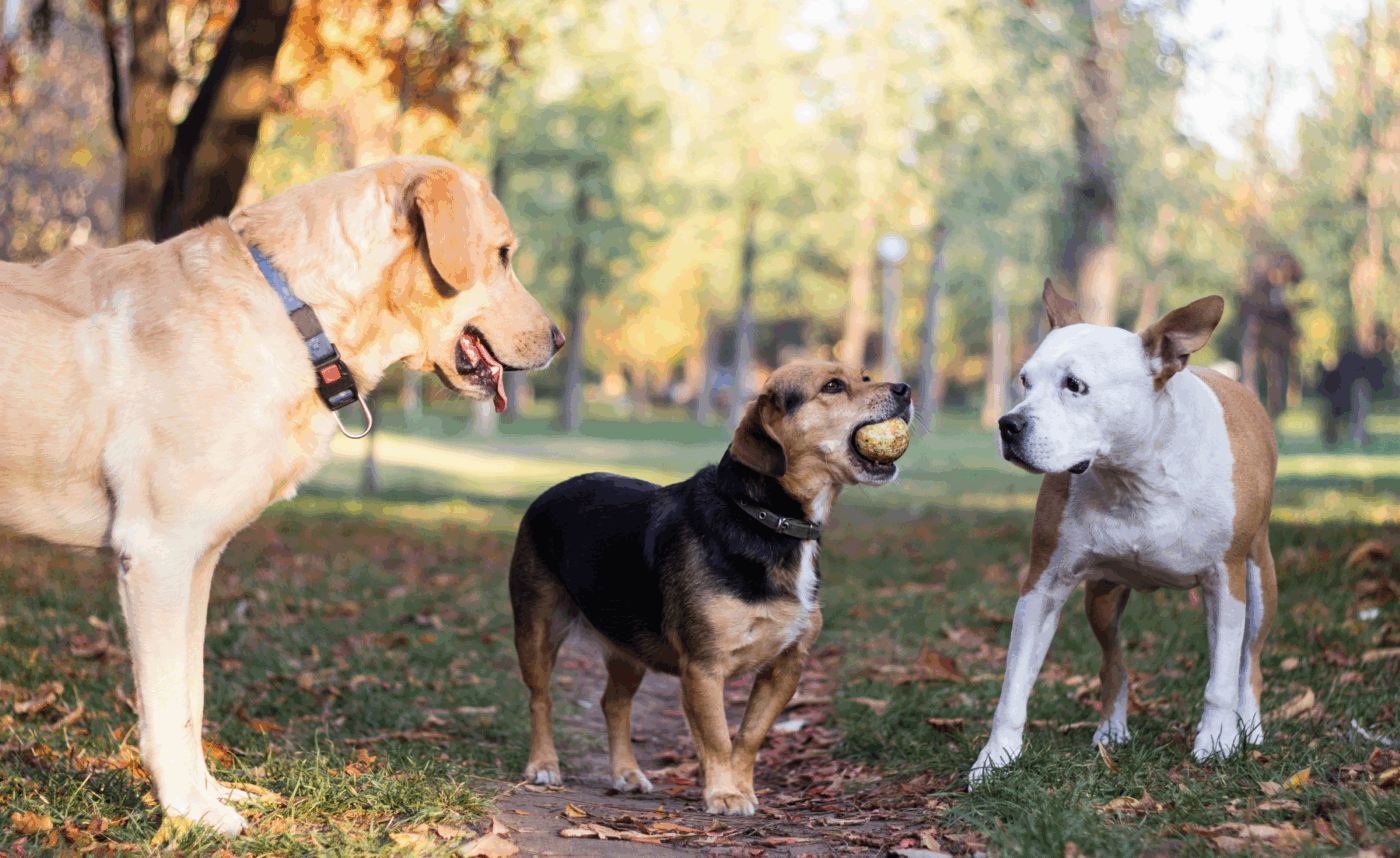
Think of building your dog’s confidence in socialization as introducing your four-legged family member to all the wonderful things they’ll encounter throughout their life. From bustling dog parks to meeting new people, each positive experience builds their confidence and strengthens your bond.
In this guide, we’ll explore the top five ways to help your canine companion become a social superstar, regardless of their age or background.
Understanding Dog Socialization Basics
Socialization isn’t just about introducing your dog to other furry friends – it’s a comprehensive process that helps them become comfortable with everything they’ll encounter in their lifetime. This includes different environments, sounds, textures, people, and yes, other animals too.
For socializing a puppy, the prime window occurs between 3-14 weeks of age. During this critical period, their developing brains are especially receptive to new experiences.
The goal isn’t necessarily to make your dog love everything and everyone. It’s about helping them remain calm and confident when facing new situations. A well-socialized dog isn’t fearful or aggressive when encountering novelty – they’re curious, adaptable, and secure in their environment.
Remember that regular exposure to various stimuli throughout your dog’s life helps maintain their social confidence and prevents regression. Even adult dogs or older dogs who missed early socialization opportunities can make tremendous progress with consistent, positive experiences.

#1: Structured Introductions to New Environments
One of the most effective ways to build your dog’s social confidence is through gradual exposure to different environments. Start with calm, quiet locations and slowly progress to more stimulating settings as your dog’s comfort level increases.
Begin by taking short walks in your neighborhood during quieter times of day. Allow your dog to explore at their own pace, sniffing and observing without pressure. As they become more comfortable, gradually introduce more challenging environments like busier streets, hardware stores that welcome pets, or quiet parks.
For example, before heading straight to crowded dog parks, consider starting with a visit to a friend’s fenced yard where your dog can explore safely. Watch their body language closely – a relaxed posture, normal breathing, and willingness to take treats are all signs your dog is having a positive experience.
Remember that duration matters as much as location. A 10-minute positive experience in a new environment is far more valuable than an hour-long session where your dog becomes overwhelmed. Always end on a successful note, when your dog remains calm and engaged, to build positive associations with each new place.
#2: Positive People Introductions
Meeting a variety of people helps your dog develop comfort around humans of different ages, sizes, appearances, and behaviors. The key on how to socialize your dog with people is ensuring these interactions remain positive and respectful of your dog’s comfort zone.
Start by inviting a friend who understands dogs to visit your home. Ask them to ignore your dog initially, allowing your pet to approach when ready. When your dog shows interest, your friend can offer a treat without making direct eye contact, creating a positive association without pressure.
Gradually expand your dog’s social circle to include people of various ages, heights, and appearances. For instance, someone wearing a hat, sunglasses, or carrying an umbrella might look completely different to your dog. Each successful interaction builds their confidence and understanding that humans come in many forms.
When introducing your dog to children, supervision is essential. Teach children how to properly approach and pet your dog, and always monitor these interactions closely. A calm child who can follow instructions makes an excellent socialization partner, helping your dog learn that smaller humans can be gentle and predictable.

#3: Controlled Canine Connections
Meeting other dogs is an important aspect of socialization, but these introductions require careful management to ensure everyone has a good time. The goal is for your pet to remain calm and appropriate during canine encounters.
Begin with one-on-one playdates with dogs you know are friendly, vaccinated, and have compatible play styles. Choose a neutral location like a quiet park rather than someone’s territory to reduce potential tension. Allow the dogs to greet briefly on loose leashes, then walk together before considering off-leash play if appropriate.
When visiting dog parks, start during off-peak hours when fewer dogs are present. Stay attentive to your dog’s body language and be ready to intervene if play becomes too intense. Remember that quality interactions matter more than quantity – a few positive experiences with compatible playmates build better social skills than many stressful encounters.
For dogs who are fearful or reactive around other canines, consider working with professional dog trainers. They can help create structured, controlled exposure situations on how to socialize your dog with other dogs that gradually build your dog’s confidence while keeping everyone safe and ensuring each interaction provides a positive experience.
#4: Enrichment Through Classes and Activities
Structured classes and activities offer fantastic opportunities for socialization in controlled environments. These settings combine learning with social exposure, helping your dog build confidence while strengthening your bond.
Puppy classes are ideal for young dogs, providing safe opportunities to interact with other puppies while learning basic manners. Even if your dog is past the puppy stage, beginner obedience classes welcome dogs of all ages and provide similar benefits.
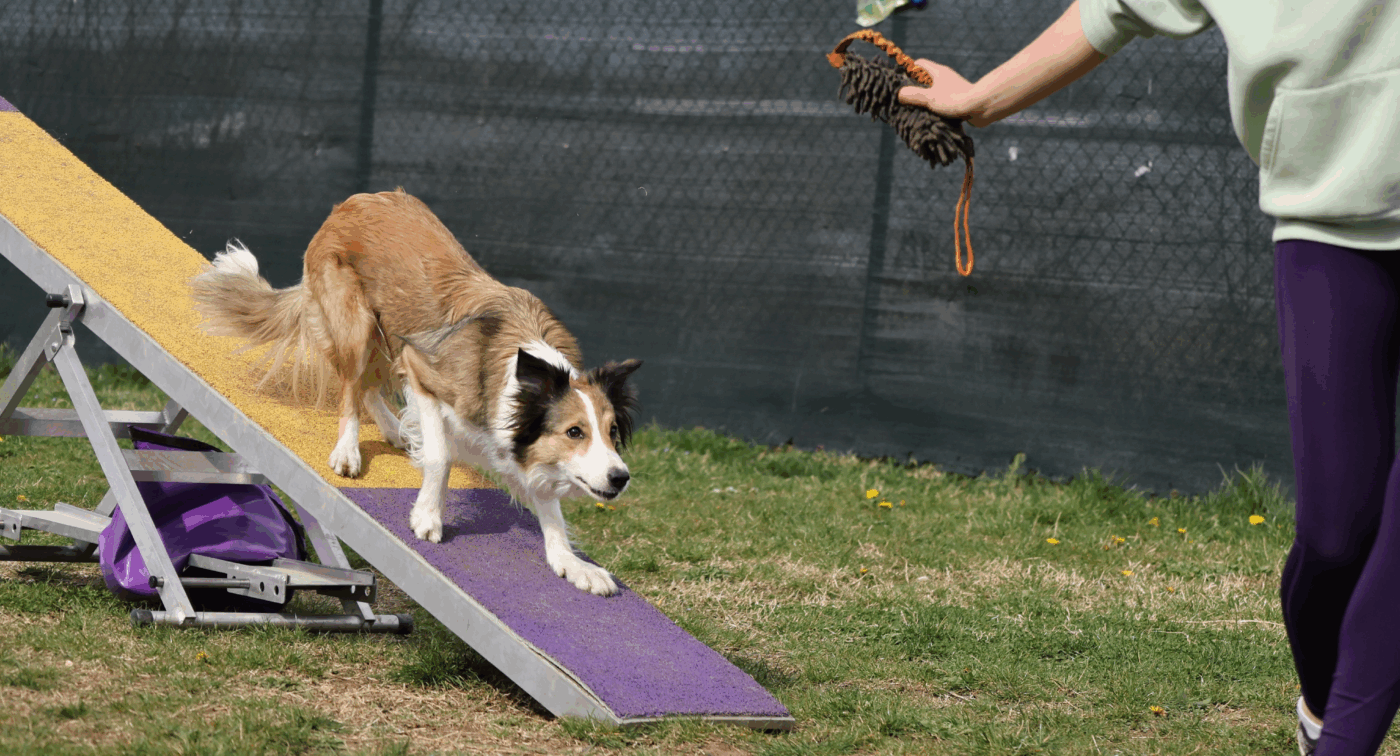
For more advanced socialization, consider activities that match your dog’s personality and interests. A dog who loves to run might enjoy agility classes, while a food-motivated pet might excel at nose work. These structured activities expose your dog to new environments, equipment, and people in a positive context.
Remember that classes should be enjoyable for both you and your dog. If your pet seems overwhelmed or stressed, speak with the instructor about other options or consider finding a different class that better suits your dog’s temperament. The goal is for your dog to associate these social learning experiences with fun and positive outcomes.
#5: Creating Positive Associations Through Desensitization
For dogs who show fear or anxiety toward specific triggers, desensitization combined with counterconditioning can be transforming. This approach involves gradually exposing your dog to what frightens them at a level they can tolerate, while pairing the experience with something wonderful.
Start by identifying your dog’s threshold – the distance at which they notice the trigger but remain calm. For instance, if your dog is afraid of skateboards, begin by watching one from 50 feet away while giving your dog treats. The goal is for your dog to see the skateboard and think, “Great! Treats are coming!”
Gradually decrease the distance as your dog remains calm, always staying within their comfort zone. Patience is crucial; this process might take weeks or months depending on your dog’s sensitivity.
If your dog is nervous around vacuum cleaners for example, start by rewarding them for being in the same room as the unplugged vacuum. Next, touch the vacuum while giving treats. Eventually, turn it on briefly in another room, then gradually bring it closer as your dog’s comfort increases.
This methodical approach works for various triggers from thunderstorms to car rides. The key is consistency and respecting your dog’s pace.

Recognizing Success and Overcoming Challenges
Successful confidence and socialization isn’t measured by how many dogs your pet plays with or how comfortable they are in every situation. Rather, success means your dog can navigate the world with confidence, making good choices with praise and treats and remaining calm in various environments.
Remember that it is a lifelong journey, not a destination to build your dog’s confidence in socialization. By providing ongoing positive experiences throughout your dog’s life, you’re helping them become a confident, adaptable companion who can share in all your adventures, from quiet evenings at home to exciting trips to dog parks and beyond.