
How to Choose the Best Senior Dog Food?
By Mariah Moore

As our beloved canine companions grow older, their dietary needs shift in important ways. Choosing the best senior dog food plays a vital role in maintaining your pet’s quality of life throughout their golden years. With so many options on the market, it’s easy to feel overwhelmed when deciding what to feed your dog. This guide will help you make an informed decision about food for senior dogs, focusing on key ingredients, health conditions, and nutritional strategies for a balanced diet that supports overall health.
Understanding the Nutritional Needs of Senior Dogs
The Aging Process and Its Impact on Nutrition
As dogs age, they often experience a slower metabolism, decreased activity level, and increased risk of conditions such as kidney disease, arthritis, and cognitive decline. These changes can lead to weight gain or, in some cases, a pet that unexpectedly loses weight. A diet formulated to meet the nutritional needs of older dogs is essential to address these challenges and support long-term health.
Key Nutritional Components for Senior Dog Food
Here are essential nutrients to look for in dog food for senior dogs:
- High-Quality Proteins: Older dogs still need protein to maintain lean muscle mass. Choose products with real meat like farm-raised chicken, beef, or fish, which help sustain strength and mobility.
- Omega Fatty Acids for Skin and Coat: Omega-3 fatty acids and Omega-6 fatty acids promote a healthy skin and coat and also support cognitive health and reduce joint inflammation.
- Fiber: Ingredients such as sweet potatoes or brown rice aid in digestive health, especially helpful for older dogs with sensitive stomachs.
- Vitamins and Minerals: A complete senior diet dog food should include essential nutrients to strengthen the immune system, bones, and organs.
Differences Between Adult and Senior Dog Food
Nutritional Formulations of Senior Dog Food
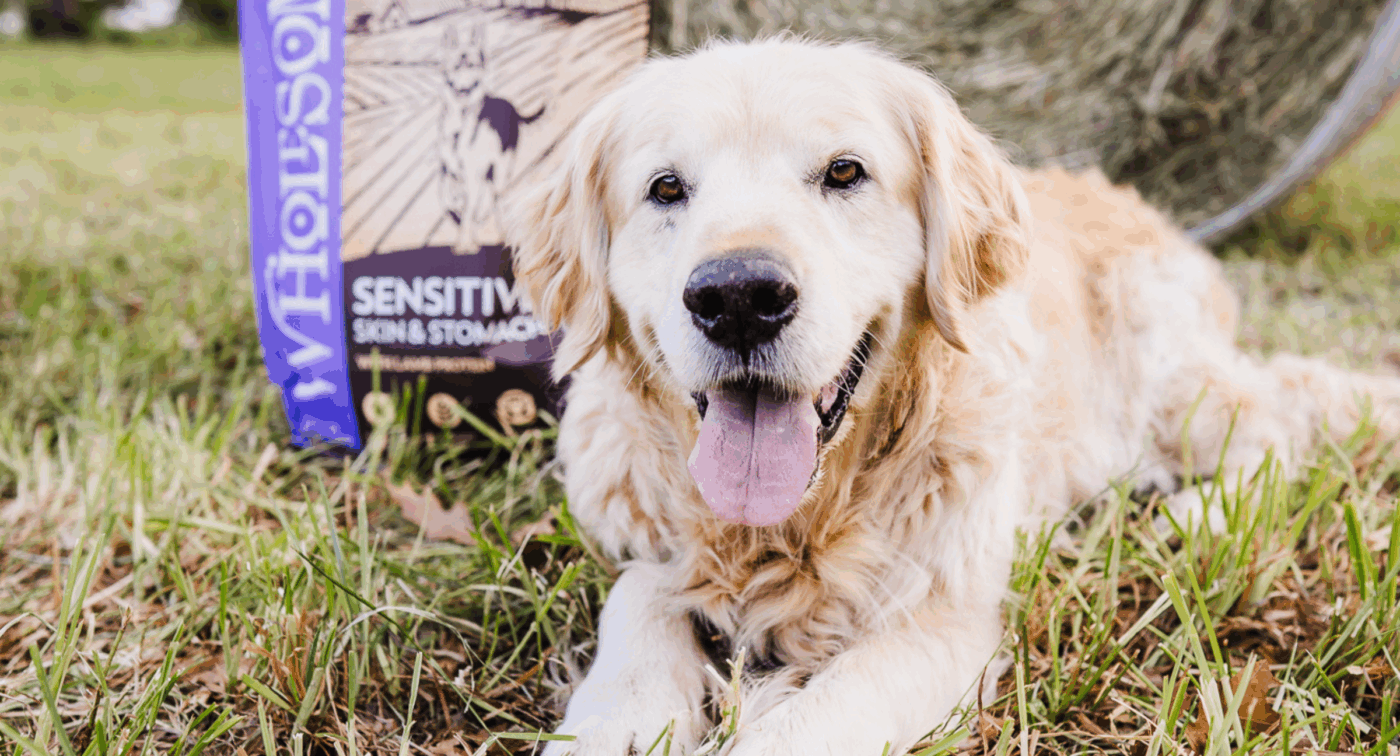
Dog food senior options differ significantly from what’s typically provided to adult dogs. Here’s how:
- Lower Caloric Content: To help your pet maintain a healthy body weight, senior formulas are often lower in calories.
- Enhanced Nutrient Profiles: Look for added glucosamine and chondroitin for joint health, especially for breeds prone to arthritis, such as the Great Dane.
- Formulated to Meet: The best dog food for senior dogs is specifically formulated to meet their aging needs, offering balanced levels of protein, fat, and carbohydrates.
Ingredient Quality
Not all dog food is created equal. Avoid products with artificial fillers or low-quality by-products. The best brands focus on holistic ingredients, starting with meat and supported by small amounts of healthy grains and vegetables.
What Ingredients to Look For in Senior Dog Food
High-Quality Proteins
When selecting food for senior dogs, prioritize high-quality protein sources. Look for:
- Real Meat: Look for food for senior dogs that lists meat like farm-raised chicken, beef, or salmon as the first ingredient.
- Meat Meals: Like most of Wholesome’s dog food recipes, these provide a concentrated source of protein that supports lean muscle mass and overall health.
Healthy Fats
Healthy fats are crucial for maintaining energy levels and supporting skin and coat health. Look for:
- Omega Fatty Acids for Skin and Coat: Found in fish oil and flaxseed oil, these help with inflammation, skin, coat, and cognitive support.
- Moderate Fat Levels: Helps ensure energy without contributing to weight gain.
Digestive Health Ingredients
To support digestive health, consider foods that contain:
- Probiotics: Support a healthy gut flora.
- Prebiotics: Ingredients like chicory root promote beneficial bacteria, aiding digestion, important for dog food for older dogs with sensitive stomachs.
Special Considerations for Senior Dogs

Health Conditions
Senior dog diets can help manage or prevent certain medical conditions:
- Weight Management: Look for dog diet products designed to promote weight loss or prevent weight gain, especially if your pet is less active.
- Kidney Disease: Dogs with kidney issues may need lower levels of protein and phosphorus. Always consult your veterinarian.
- Joint Support: For breeds prone to arthritis, like the Great Dane, look for glucosamine and chondroitin for joint health.
Palatability
As they age and have reduced senses, some dogs lose their appetite. Choose highly palatable options wet or canned food may be easier for your dog to chew and more appealing.
Transitioning to Senior Dog Food
Gradual Change
To avoid digestive issues, introduce senior diet dog food slowly:
- Start Slow: Mix a small amount of the new food with their current food.
- Increase Gradually: Over 7–10 days, increase the new food’s proportion.
- Monitor: Watch for side effects like upset stomach, changes in stool, or appetite loss.
Consulting Your Veterinarian
Before switching your dog’s diet, talk to your vet. They can recommend a dog food for senior dogs based on breed, year of age, activity level, and existing health conditions. Regular check-ups help catch problems early and tailor your dog’s diet to meet changing needs.
Monitoring Your Senior Dog’s Health
Regular Check-Ups
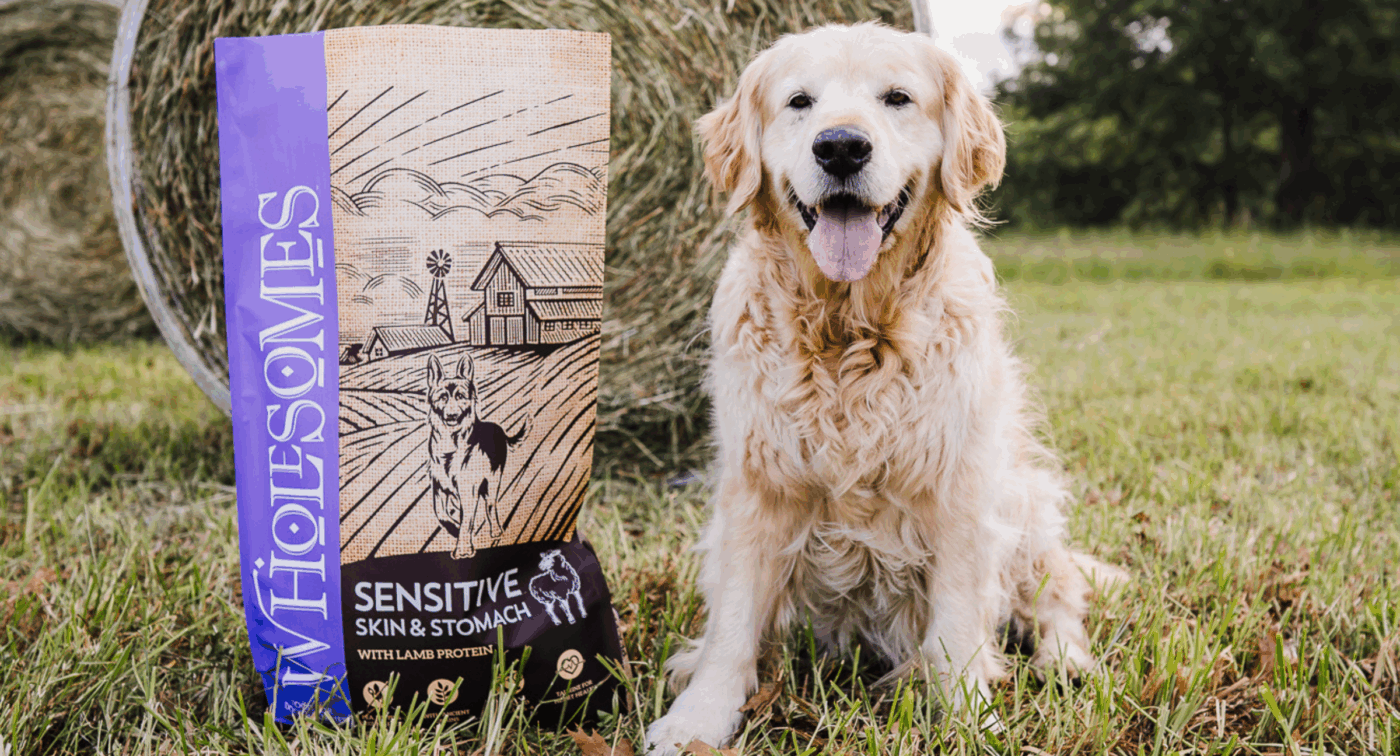
Frequent vet visits help track weight, identify any increased risk of disease, and adjust nutrition as needed.
Observing Changes
Note any shifts in your dog’s behavior, energy, or appetite. These could signal that it’s time to adjust their dog diet or investigate underlying medical conditions.
Conclusion
Choosing the right dog food is one of the most loving things you can do for your aging pet. By selecting a dog food for an older dog with a sensitive stomach, rich in omega fatty acids for skin and coat, high-quality protein, and key vitamins and minerals, you’ll help your pet stay happy and healthy. Always remember to transition slowly, consult your vet, and monitor your dog closely.
So, what is the best dog food for seniors, weight loss, and long-term vitality? The best dog food dog food for senior dogs is one that’s formulated to meet the nutritional demands of aging, helps maintain a healthy body weight, supports joint health, and is tailored to your dog’s unique needs. With the right care and the right food, your dog can truly thrive during their golden years.